
BYD turns Shanghai petrol station into flash charging hub, with more to come
BYD and Sinopec have converted a Shanghai petrol station into a 12-stall flash charging hub, removing the fuel tanks to fit buffer batteries that keep grid demand to around 100kW.
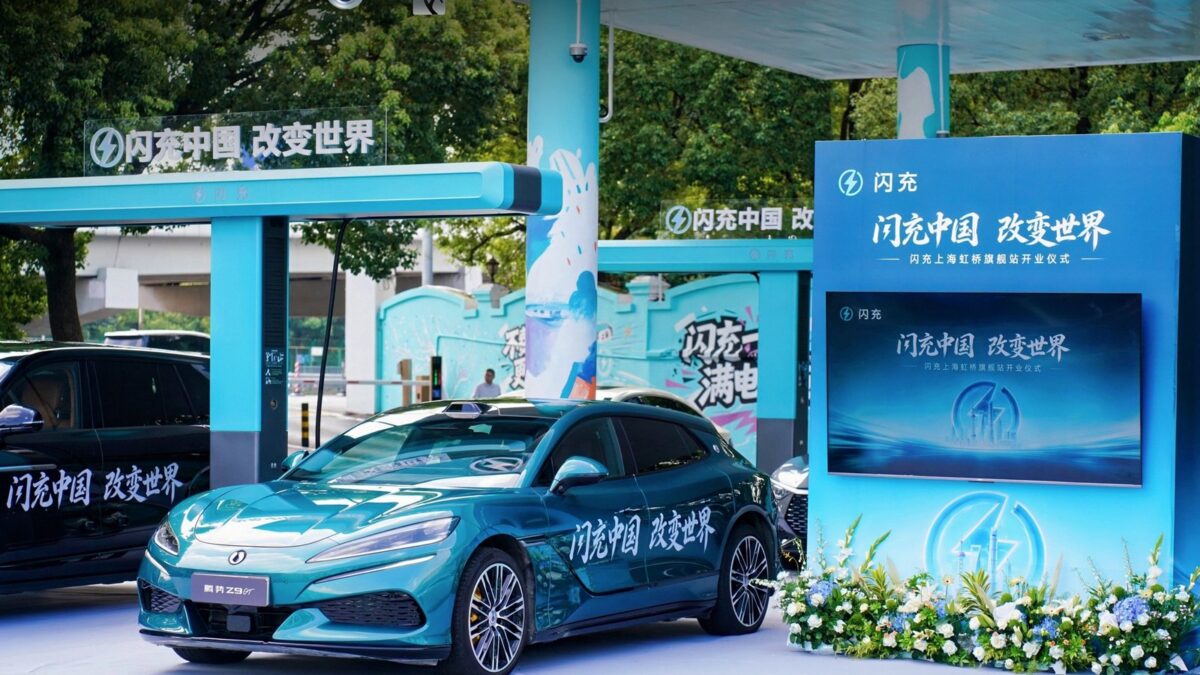
BYD has converted its first petrol station into a flash charging hub, working with Chinese state oil giant Sinopec to transform a Shanghai forecourt into a 12-stall site with a rest lounge and 24-hour convenience store.
The station is the first to be converted and jointly operated under a partnership the pair formed in June 2024, covering charging networks, retail services and energy supply chains, and Sinopec says more of its stations will follow, as reported by CarNewsChina.
The location is no accident. The site sits beside Shanghai’s Hongqiao transport hub, which takes in the international airport, a high-speed rail station and three metro lines.
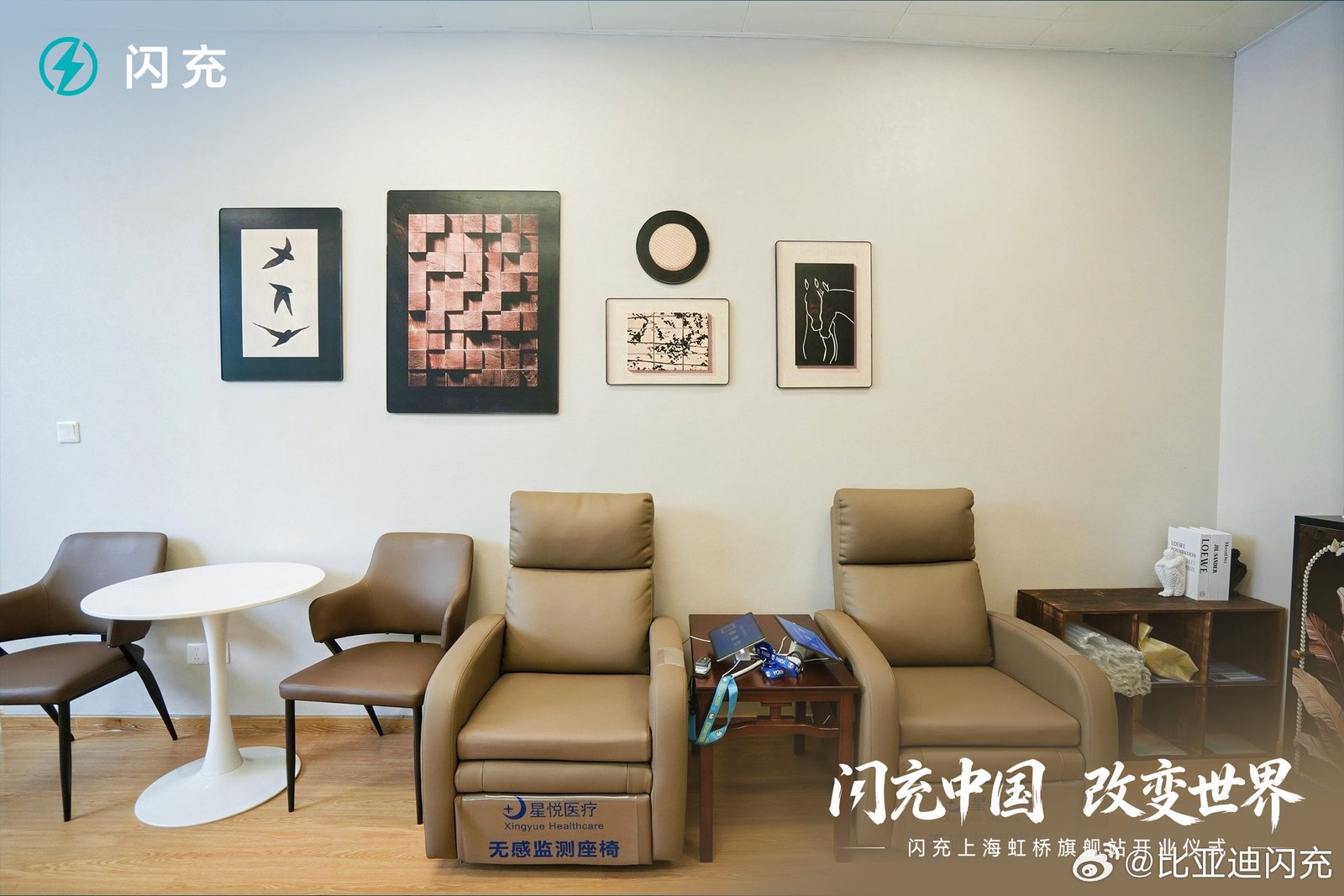
Twelve charging bays are served by six T-shaped stands, each carrying two cables. Alongside them sits a rest area with tables and reclining chairs, plus a health monitoring station that measures blood oxygen and heart rate. Sinopec’s Easy Joy convenience store remains on site, now unmanned and running 24 hours with digital payment only. BYD spokesperson Li Yunfei says the hub offers “one-stop charging services”.
The engineering underneath is the interesting part. A BYD-focused Chinese outlet reports the station’s petrol tanks were removed to make way for buffer batteries. Each of BYD’s flash chargers carries four Blade battery packs totalling 169kWh or 185kWh, which charge during quiet periods and then discharge alongside the grid connection when a car plugs in. The result: chargers that BYD says draw only around 100kW from the grid while delivering vastly higher peaks to the car.
That buffer approach is what makes the petrol station conversion model work, since forecourts rarely have the grid connections that megawatt charging would otherwise demand, a constraint just as familiar to charging operators in New Zealand.
BYD’s flash charging claims remain remarkable: 10 to 70% in five minutes, 10 to 97% in nine, and only three minutes slower at minus 30 degrees. The technology is rolling out across its EVs and plug-in hybrids in China, with the latest Denza and Seal models flash-charging capable.
There is no indication of flash charging reaching New Zealand yet, but the forecourt playbook will look familiar here, where Z Energy and bp have been adding chargers to their own station networks, albeit at a rather gentler pace, and without ripping out the petrol tanks.

Join the conversation