
Toyota’s next-generation EV will be built in China first, as a Lexus
Toyota will build its next-generation EV in China first, a gigacast Lexus SUV from its new Shanghai plant in 2027, breaking with its Japan-first tradition, Nikkei reports.
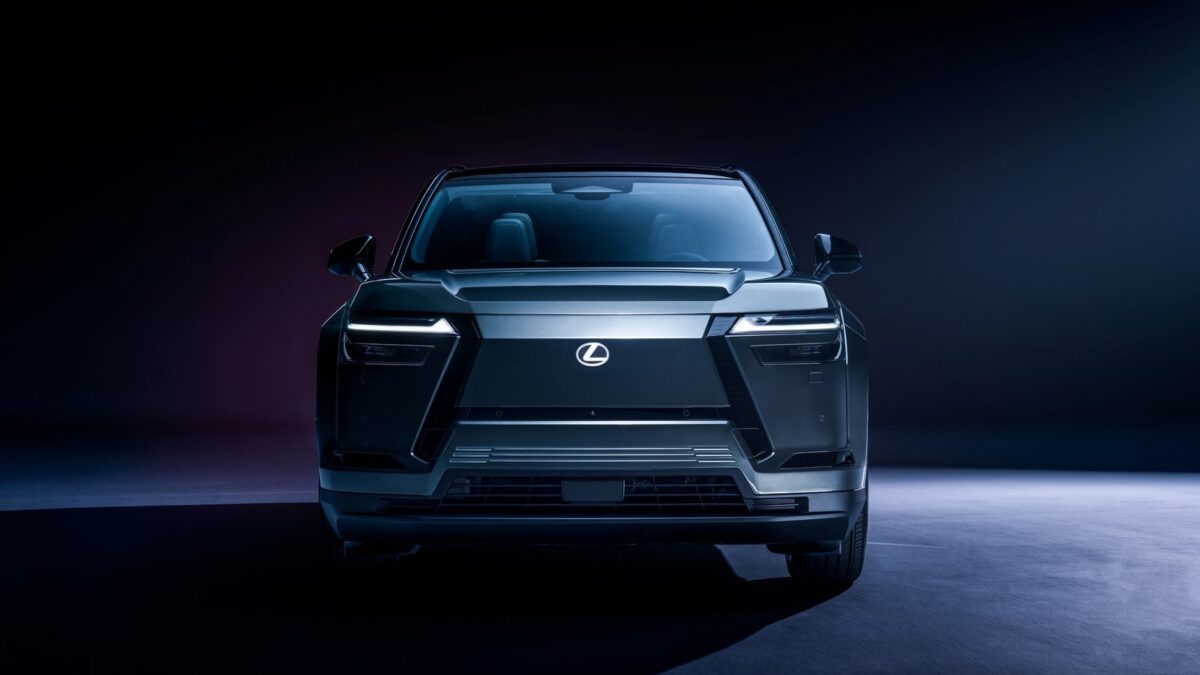
Toyota will build its next-generation electric vehicle in China before anywhere else, according to a report from Nikkei Asia, breaking with decades of practice that put new technology into production in Japan first.
The model, an electric SUV sold under the Lexus badge, will be built at the company’s new Shanghai plant from autumn 2027. Production starts at around 1,000 vehicles a month in the first year before scaling to tens of thousands annually from 2028.
The car will be produced using gigacasting, the Tesla-pioneered technique that moulds multiple aluminium body sections as a single large casting. Toyota says the approach cuts the weight of those sections by up to 20%, with estimates suggesting a range gain of several percent, alongside a stiffer body and simpler assembly. Toyota has been developing its own gigacasting equipment since 2023, when it showed a prototype press producing a third of a car body in around three minutes.
The Shanghai factory is Lexus’s first wholly owned plant in China, following the model Tesla established, and the new EV appears to be a Chinese exclusive at launch.
The reasoning sits in the sales numbers. Lexus sold 182,458 vehicles in China last year against 370,260 in the United States, in a market where EVs dominate the premium segment and local brands set the pace on technology and price. Japanese brands collectively held around a quarter of the Chinese market in 2020; that share now sits near 13%. Toyota also halted development of an electric coupe in Japan earlier this year, redirecting resources toward the SUV body style Chinese buyers prefer.
For New Zealand, nothing changes immediately. The RZ remains the sole electric Lexus on sale here, with the new ES bringing the brand’s second when it arrives. The significance is longer-term: the manufacturing techniques and platforms proven in Shanghai are the ones future global Lexus EVs will draw on, and the company’s willingness to lead in China rather than Japan marks a shift in where its most advanced products now come from.

Join the conversation