
A free car if it burns, and solid-state in production: the battery race’s busy week
Xiaomi will replace the car if its new Dragonscale battery catches fire through a defect, and ProLogium has started mass-producing a 381Wh/kg solid-state cell, in a busy week for battery technology.
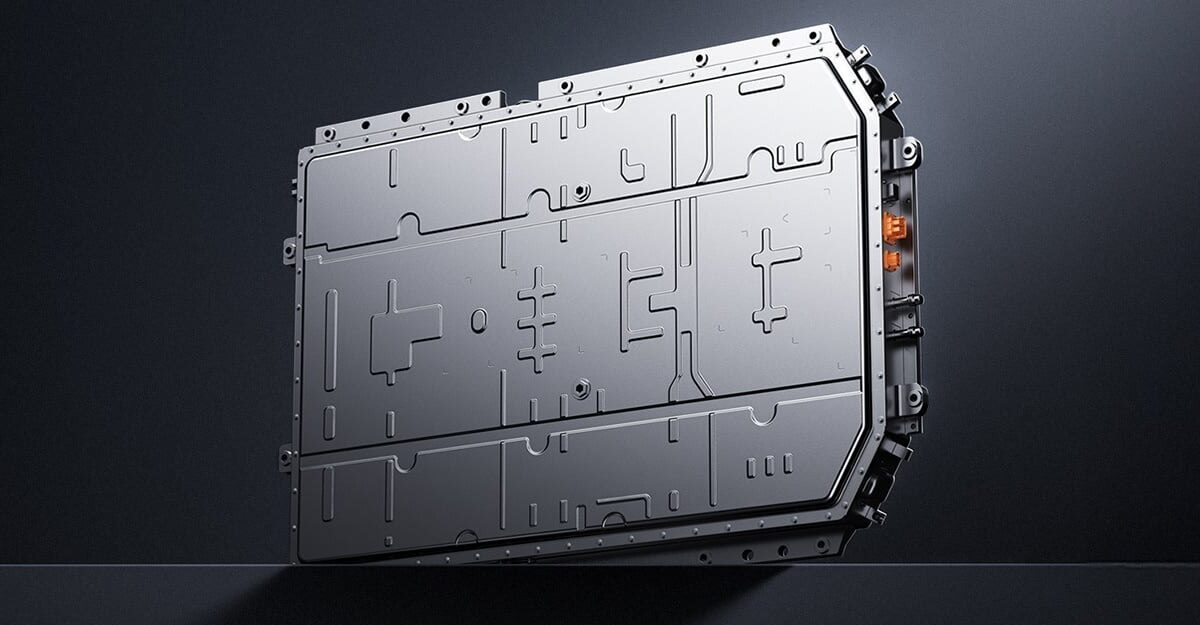
Xiaomi will give owners a new car if the battery in its upcoming Skynomad SUVs catches fire through a manufacturing defect, while Taiwan’s ProLogium has begun mass production of a solid-state cell rated at 381Wh/kg, in a week that pushed the battery race forward on two fronts, as reported by CarNewsChina.
Xiaomi: a car if it burns
The Xiaomi pledge accompanies its Dragonscale battery, developed with cell makers CALB and Sunwoda and debuting in the Skynomad N90 and N70 extended-range SUVs on 7 September. Under the lifetime guarantee, a fire caused by a battery quality defect earns the owner a replacement car of the same specification and trim. Fires caused by collision or underbody damage are covered too, with Xiaomi pledging to pay the gap between the insurance payout and the car’s pre-loss market value.
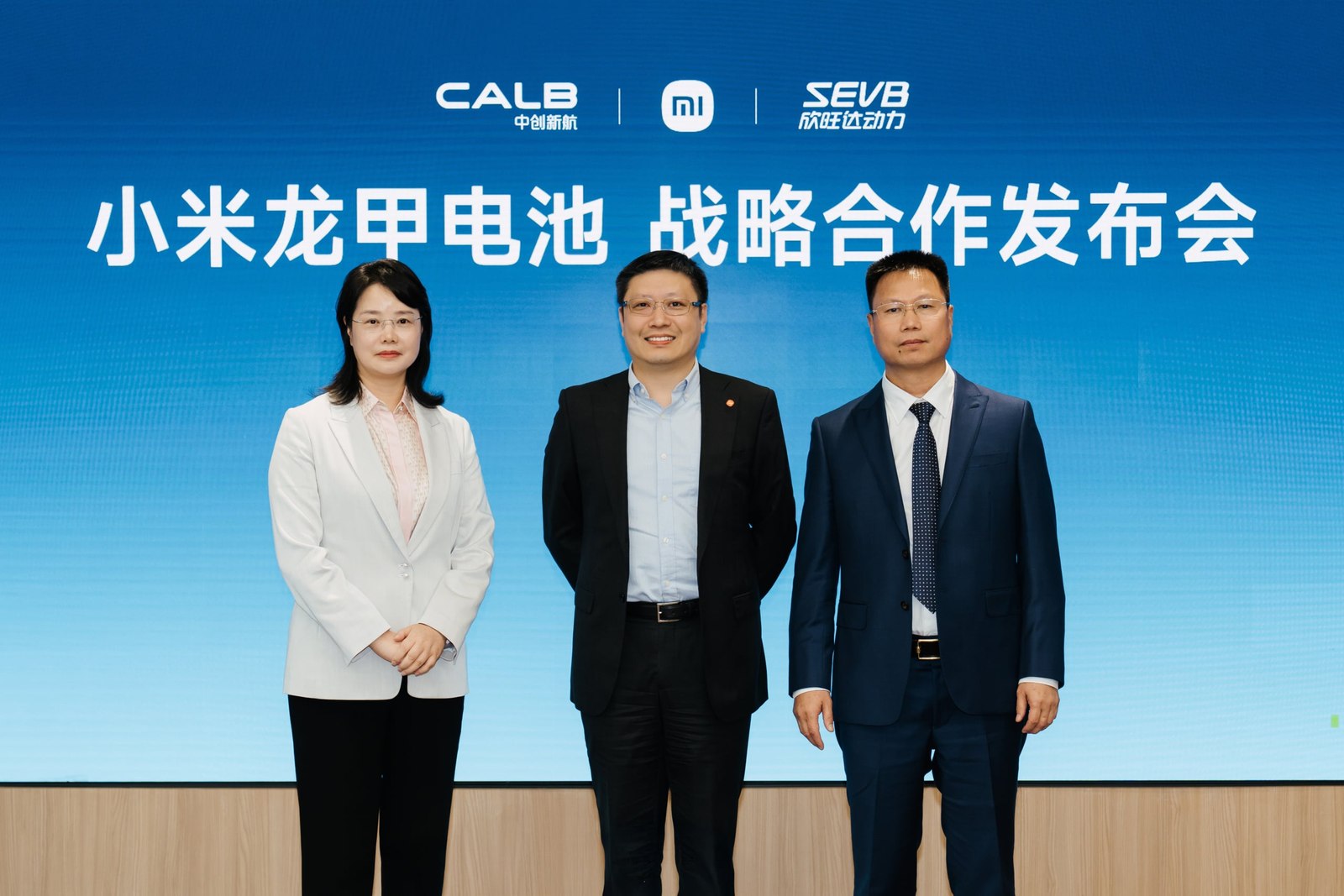
The conditions are worth reading. The guarantee applies only to non-commercial, first-owner cars, which excludes rideshare, rental and used vehicles, and owners must subscribe to Xiaomi’s connected vehicle services and have the car serviced at official Xiaomi centres.
Xiaomi Auto vice-chief executive Li Xiaoshuang says the pack exceeds China’s national standards for cycle life, and the company claims high-voltage isolators with millisecond switching, redundant insulation, and a cloud-based battery management system that samples cell data ten times more often than the national standard requires. In testing at 55 degrees and full charge, Xiaomi says a fire in a single cell did not spread to the rest of the pack. Whether the pack reaches the SU7 sedan or YU7 SUV has not been said, and Xiaomi is not sold in New Zealand.
ProLogium: solid-state in production, at a small scale
ProLogium’s Generation 3.5 lithium ceramic cell, a 185.4Ah large-format pouch, delivers 381Wh/kg by weight and 903Wh/L by volume, figures inspected by TÜV Rheinland. UL Solutions tested it under China’s new GB/T 43568 methodology for all-solid-state batteries, which holds a cell under vacuum at 120 degrees for six hours and allows less than 0.5% mass loss; ProLogium recorded under 0.05%. The standard was introduced to end a labelling fight in which several makers marketed batteries that still contained liquid electrolyte as solid-state, and China has submitted it to the International Electrotechnical Commission.
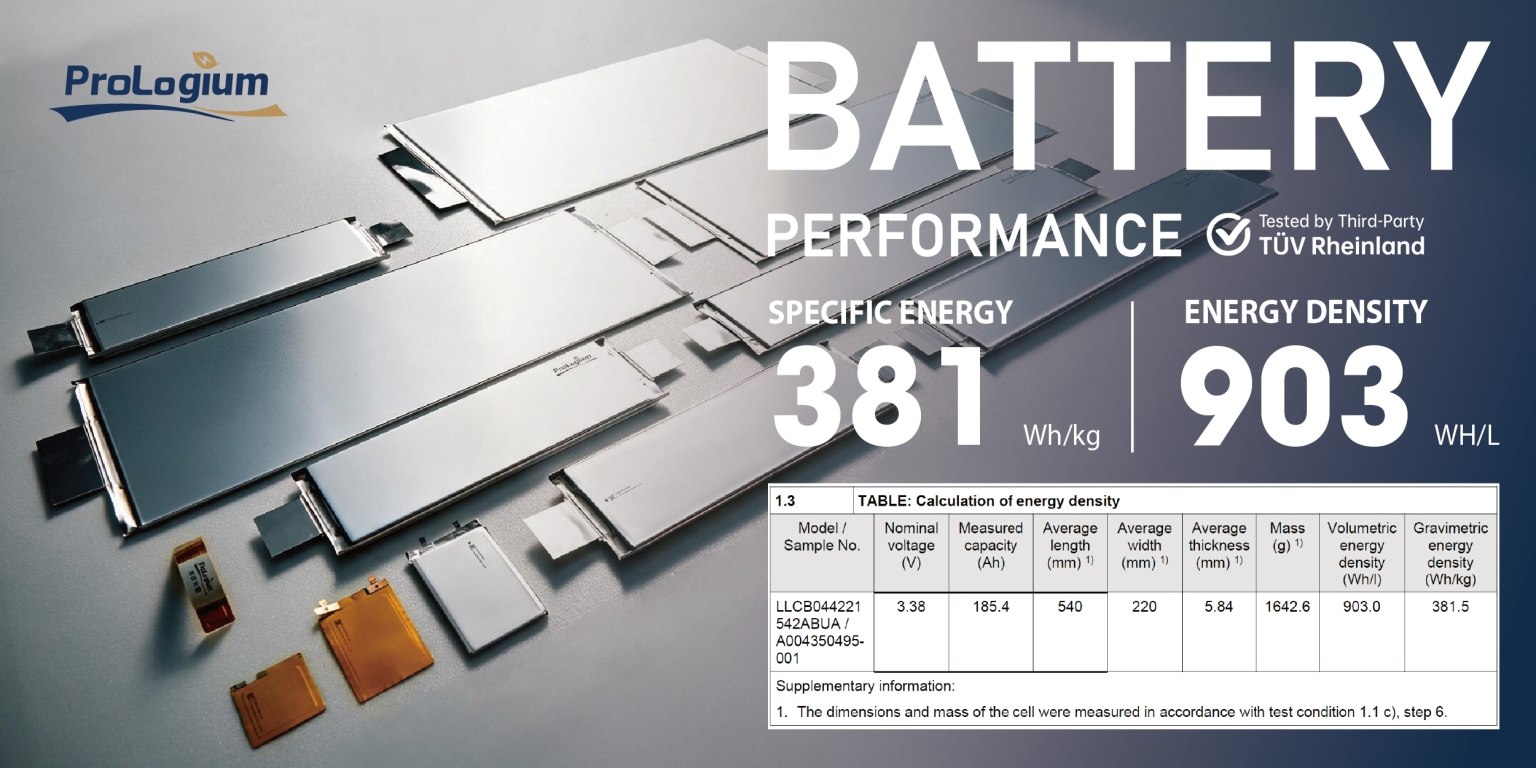
ProLogium has a technology cooperation agreement with Mercedes-Benz and has built sample vehicles with Nio and Aiways. The most common lithium-ion cells in mainstream EVs sit well below 300Wh/kg, so the figure is a meaningful jump in how much energy a given weight of battery can hold.
The qualifications, as CarNewsChina’s analysis lays out, are substantial. The Taoyuan plant’s initial capacity is 0.5GWh, equivalent to roughly 6,250 packs of 80kWh a year, with expansion planned to 1 to 2GWh. The company’s 2.4 million cells shipped are mostly consumer and speciality units, including 900,000 for a car audio system, against about 10,000 EV traction samples. Cell energy density does not translate directly to a pack once cooling, structure and management hardware are added, and no production cost has been disclosed against the roughly US$42 to US$55 per kWh that Chinese LFP cells now fetch. The scaling test is a planned factory at Dunkirk in France, designed for an initial 4GWh and a maximum of 44GWh, ramping toward 2030.
A crowded fortnight
The two announcements land amid a run of battery news: Tesla’s claim of no spontaneous battery fires across 265 billion miles, AVILOO’s 500,000-test health study and Generational’s cell-imbalance findings have arrived within days of one another, alongside Chinese cell makers targeting solid-state trial production with BYD, CATL and Geely in 2027 and Chery planning real-world solid-state tests the same year. Xiaomi’s contribution is the first to put a whole car on the line; ProLogium’s is a cell in production now, with the question of a competitively priced pack in a showroom car still open.


Join the conversation