
Range Rover Sport Electric revealed with up to 404kW and 609km range
The first electric Range Rover Sport has two motors, up to 550PS and 850Nm, a 118.5kWh battery and 800-volt charging, and is open for orders in New Zealand.
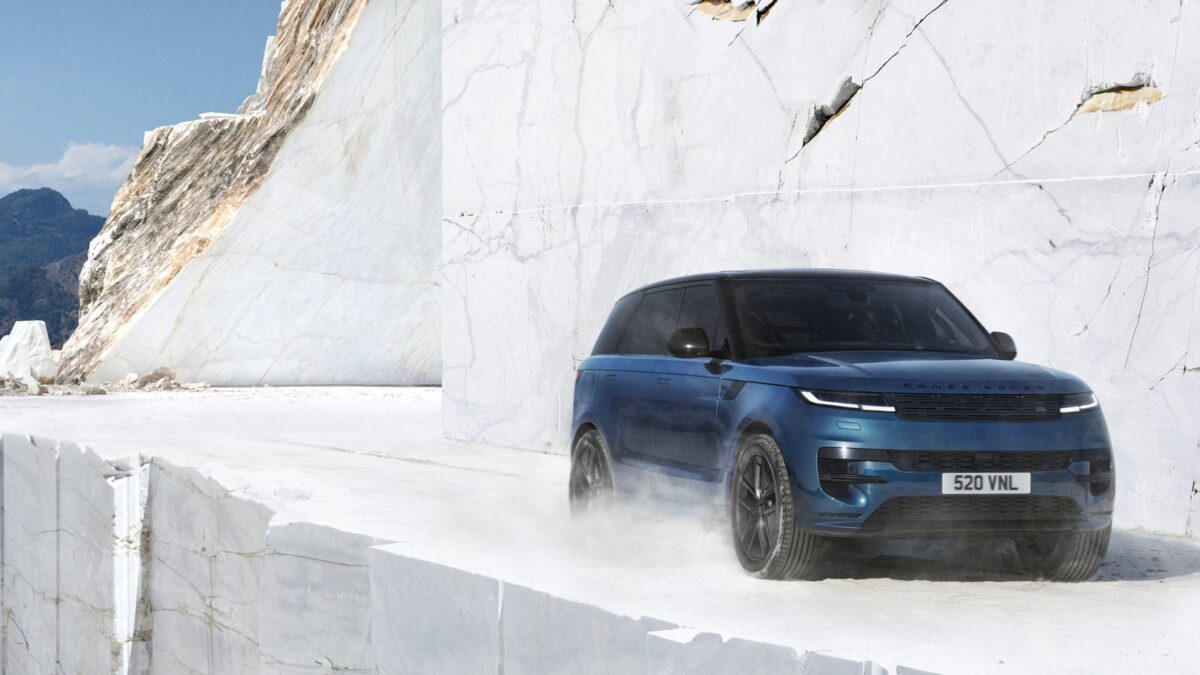
The Range Rover Sport is now available as a full electric vehicle, and it is open for orders in New Zealand.
Range Rover Sport Electric uses two 260kW electric motors and a 118.5kWh battery, with outputs of 330kW (450PS) or 404kW (550PS) and 850Nm of torque. That is the most torque of any Range Rover Sport. WLTP range is up to 609km.
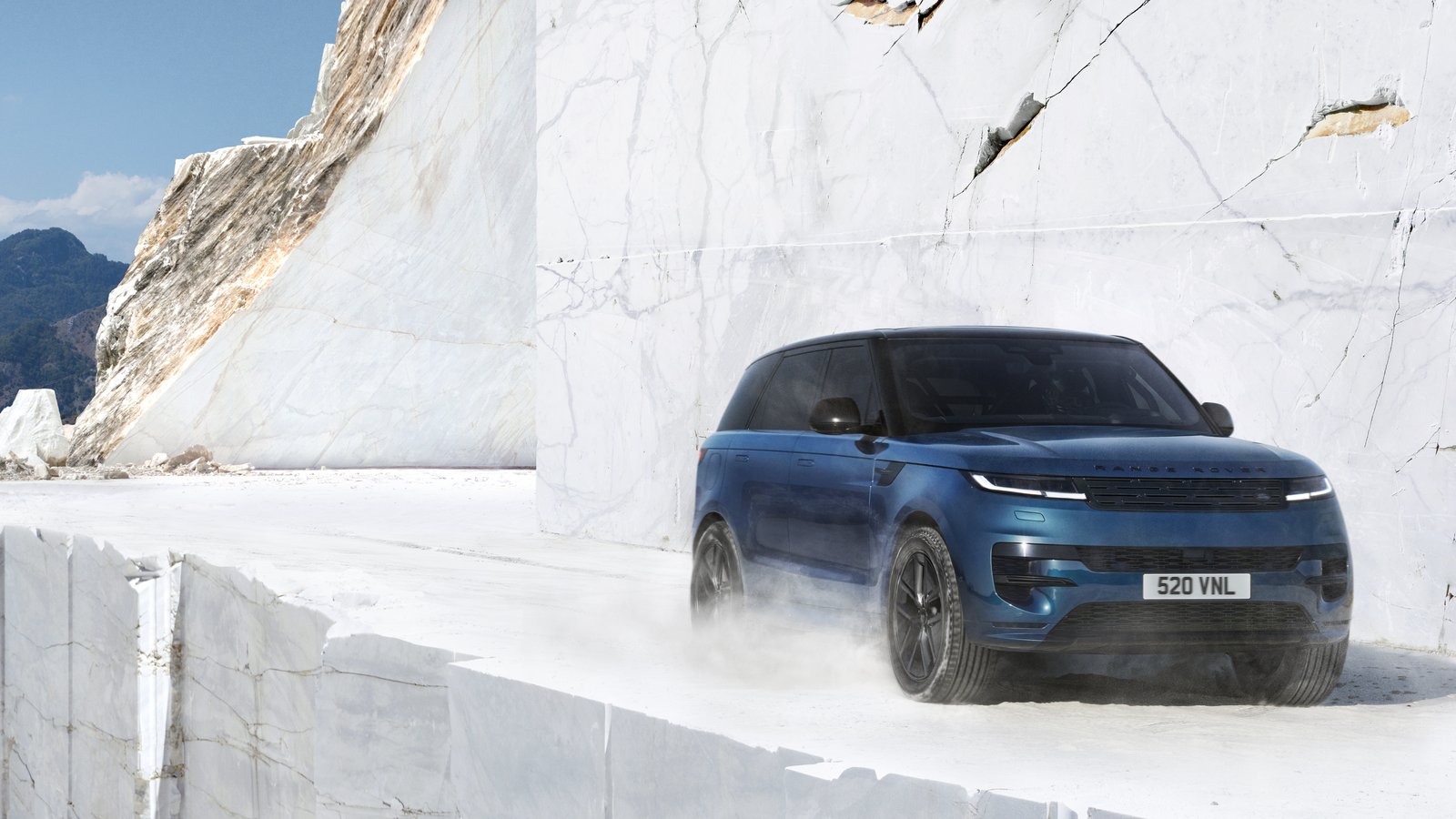
It joins the plug-in hybrid, petrol and diesel versions of the Range Rover Sport rather than replacing them, and is built on the same production lines at Solihull in the UK. The battery and motors are made at JLR’s Electric Propulsion Manufacturing Centre in Wolverhampton.
“Range Rover Sport is the most dynamic expression of Range Rover. With Range Rover Sport Electric we’re taking that spirit of visceral engagement and desire into the electric age,” said Martin Limpert, managing director of Range Rover.
Performance
With Dynamic Launch Mode engaged, the 550PS version runs 0-100km/h in 4.5 seconds, matching the V8-powered P530 Range Rover Sport. The 450PS version takes 5.6 seconds. Top speed is 200km/h for both.
Range Rover says torque builds 50 per cent faster than in the Range Rover Electric. Compared with the Range Rover Sport PHEV, the body structure is 61 per cent stiffer and the centre of gravity is 73mm lower.
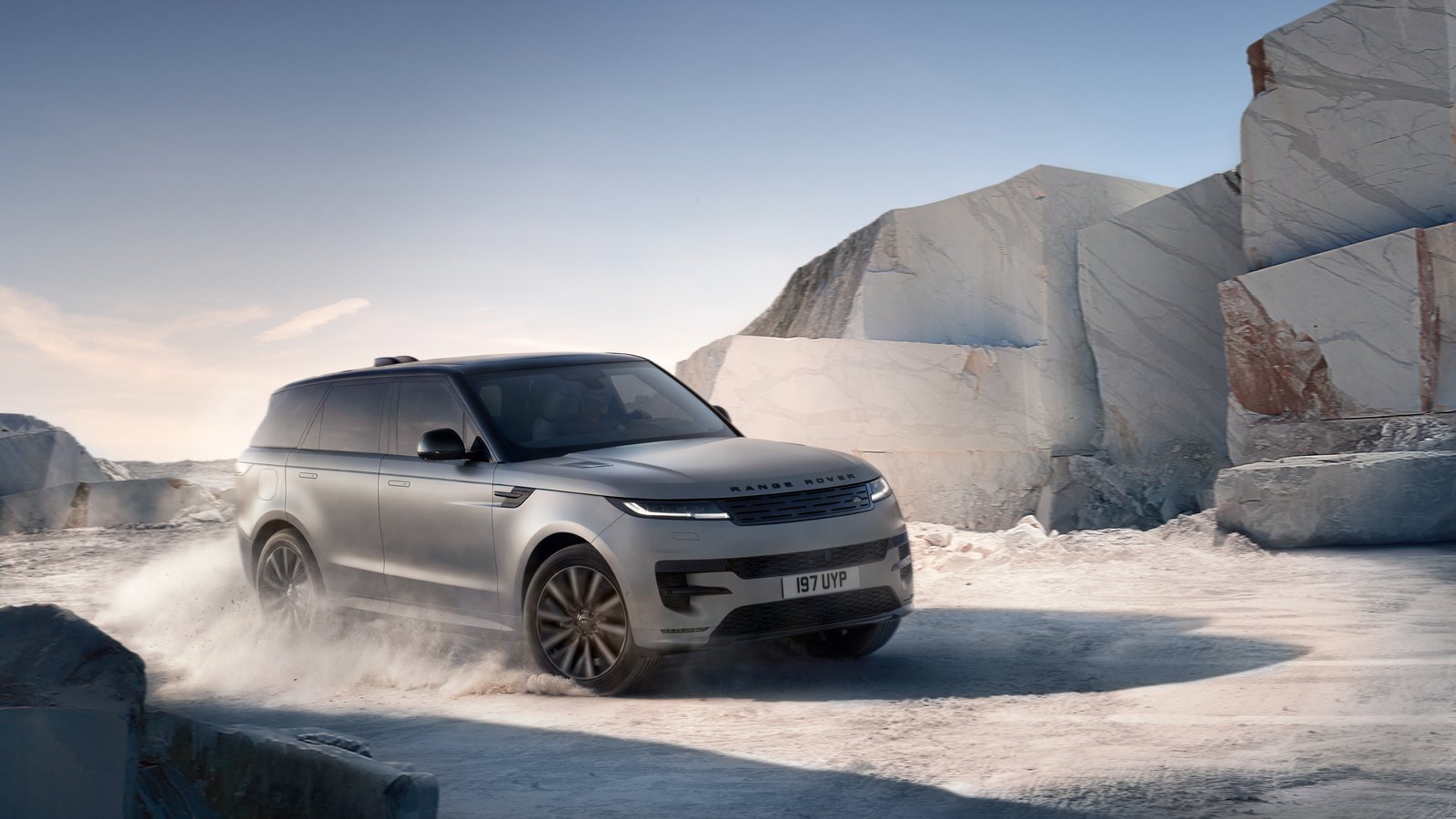
The chassis uses Dynamic Air Suspension, Twin Valve Dampers, Adaptive Dynamics and Intelligent Traction Management with virtual all-wheel drive. Electronic Active Roll Control, which can apply up to 1400Nm across each axle, and all-wheel steering are standard on the 550PS and optional on the 450PS. The turning circle is under 11m.
“It feels smaller, more planted and more responsive than you would imagine,” said Matt Becker, vehicle engineering director at Range Rover.
Battery, range and charging
The 118.5kWh usable battery uses nickel manganese cobalt chemistry in a cell-to-pack structure, housed in an aluminium enclosure, and runs on an 800-volt architecture.
WLTP range is up to 609km, and Range Rover quotes a real-world range of up to 533km. On a 350kW charger it can add 220km in 10 minutes and charge from 10 to 80 per cent in about 22 minutes. Split-charging technology lets it use 400-volt chargers too, adding 158km in 10 minutes at a 250kW peak. The onboard AC charger is rated at 22kW.
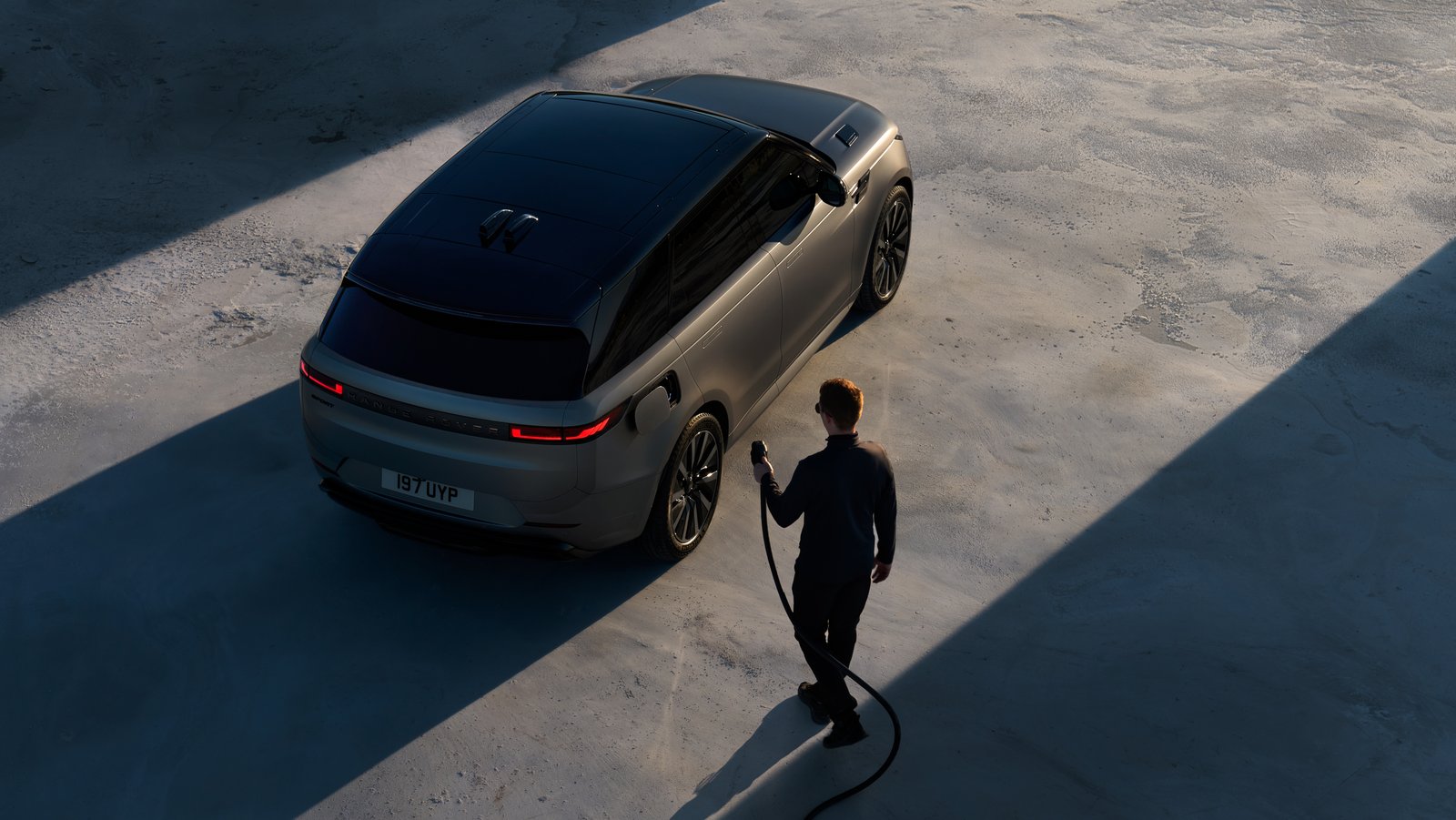
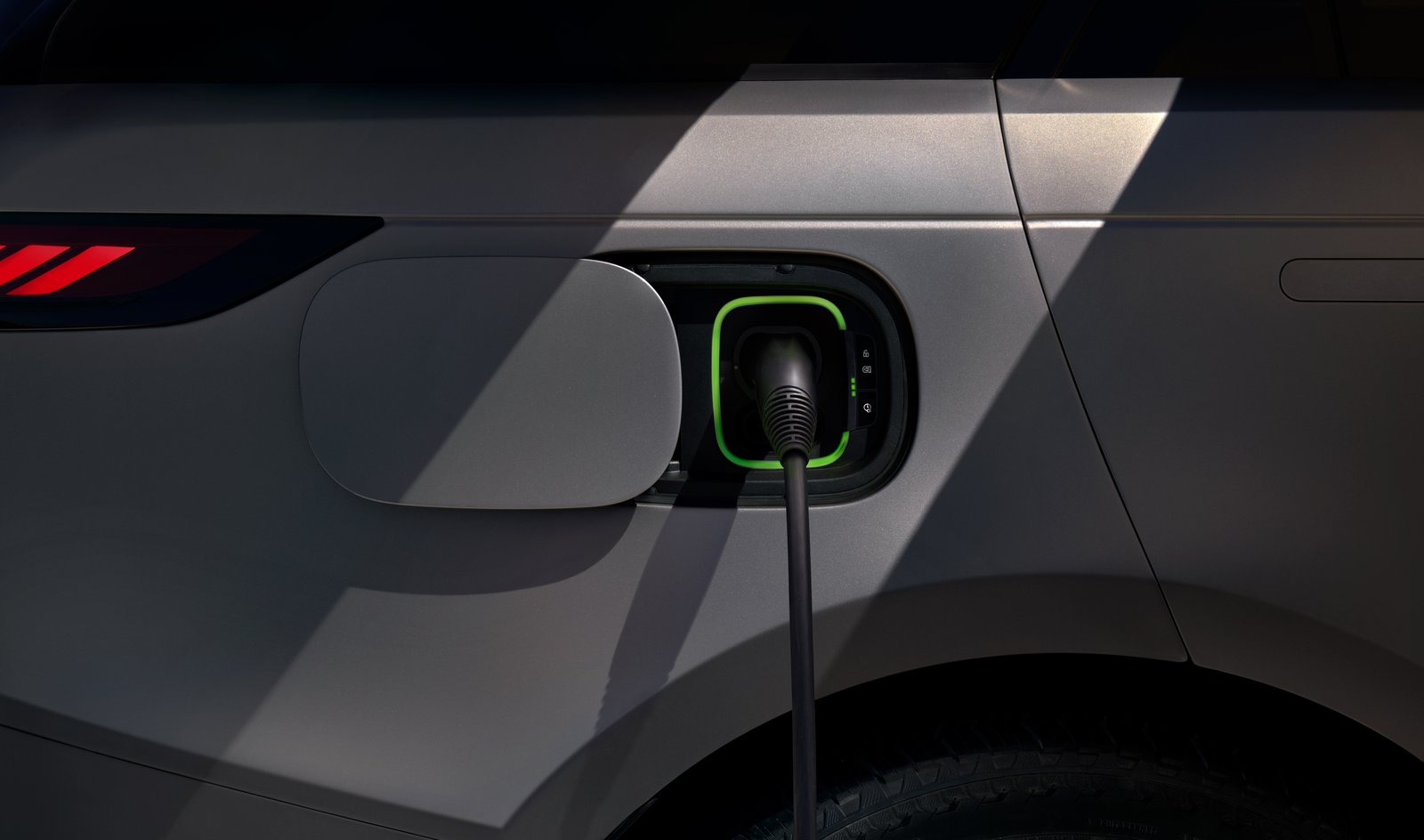
It has vehicle-to-load capability, via an adaptor, for powering small appliances. A towing range prediction function estimates remaining range based on what is being towed, and the braked towing capacity is 2500kg.
The battery is covered by an eight-year or 160,000km warranty.
Off-road and design
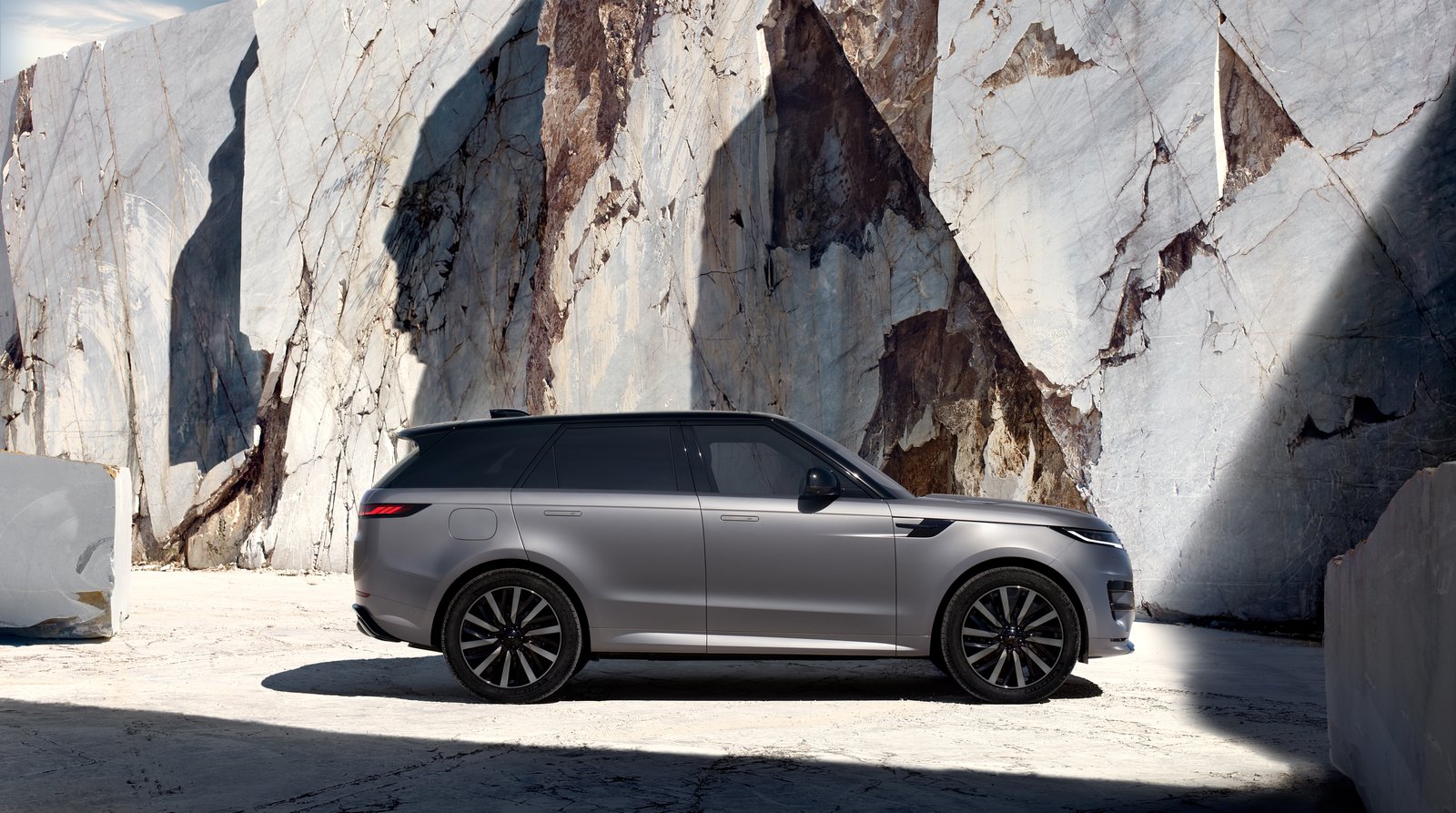
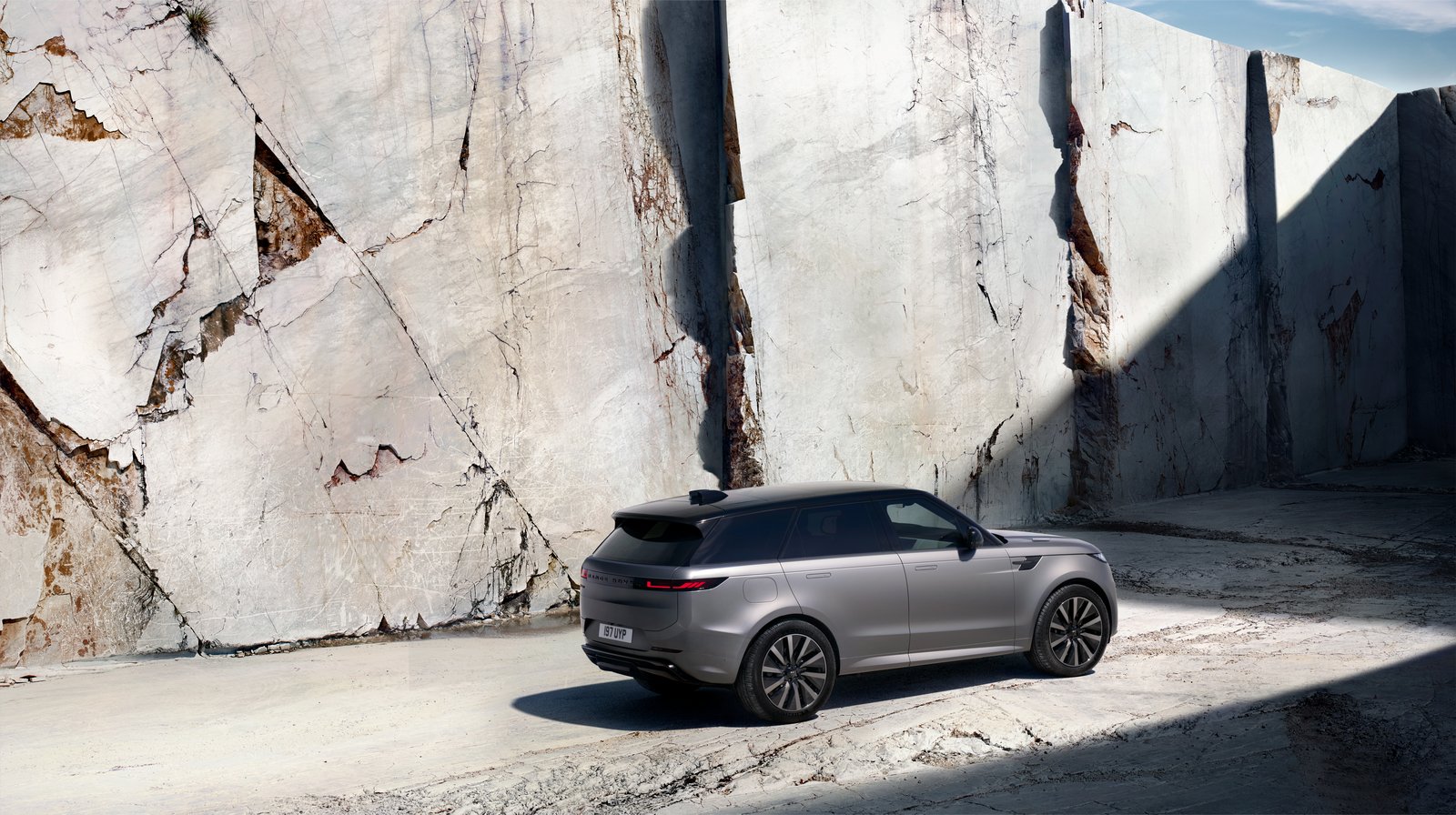
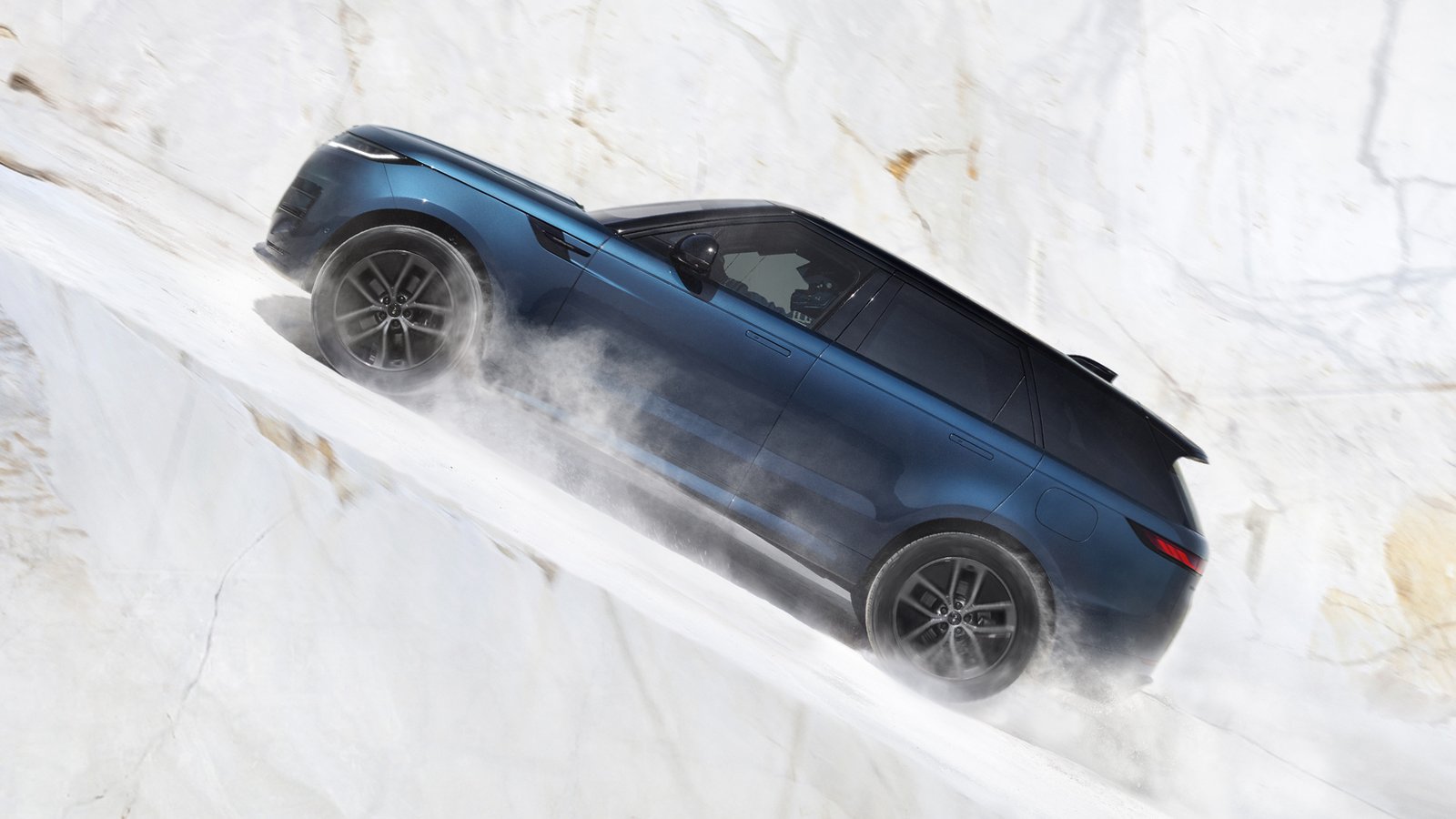
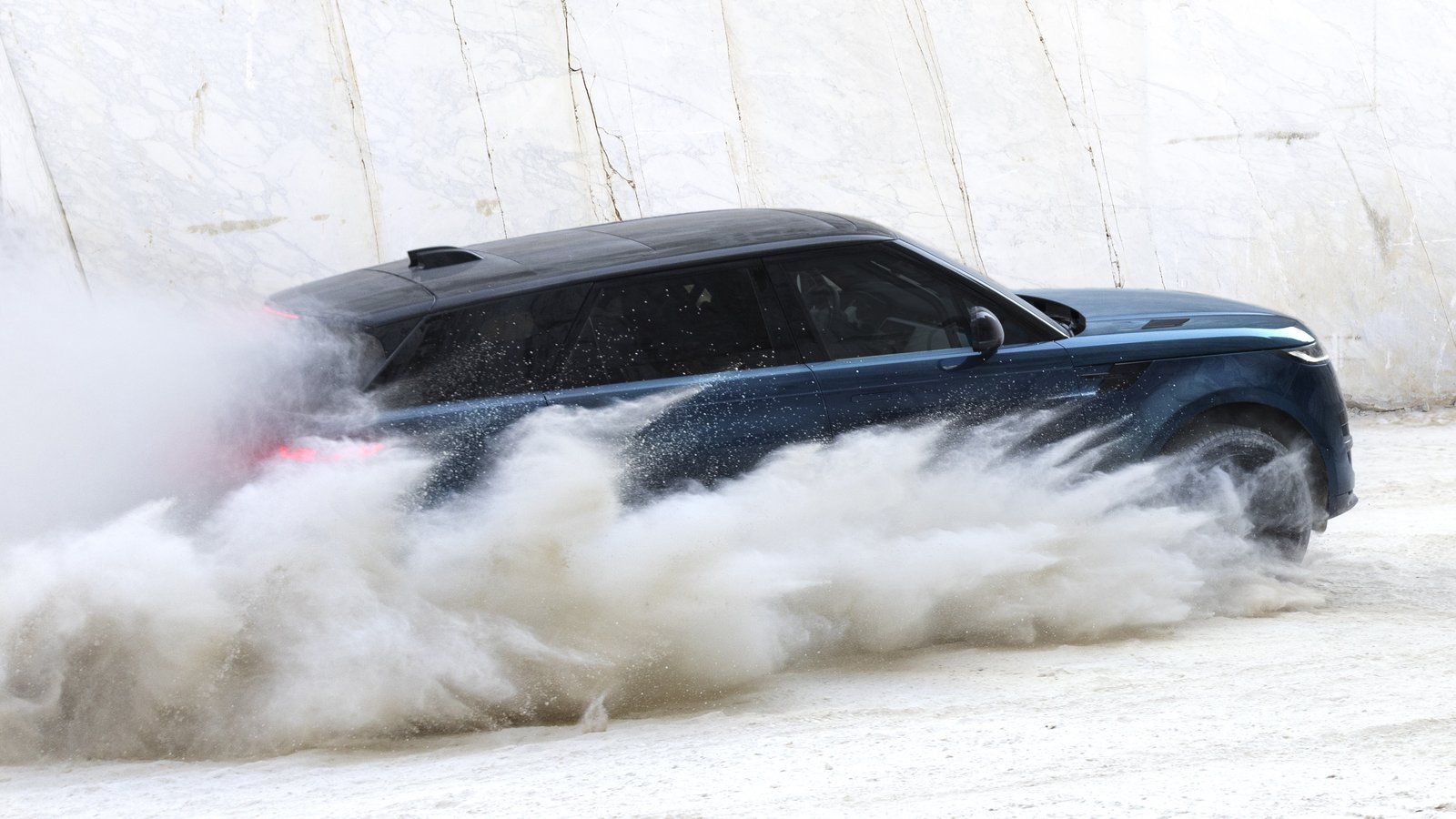
Wading depth is 900mm and maximum ground clearance is 263mm. To mark the launch, Range Rover took the car up the Gioia Peak in the Carrara marble quarries in Italy, on gradients of up to 45 degrees.
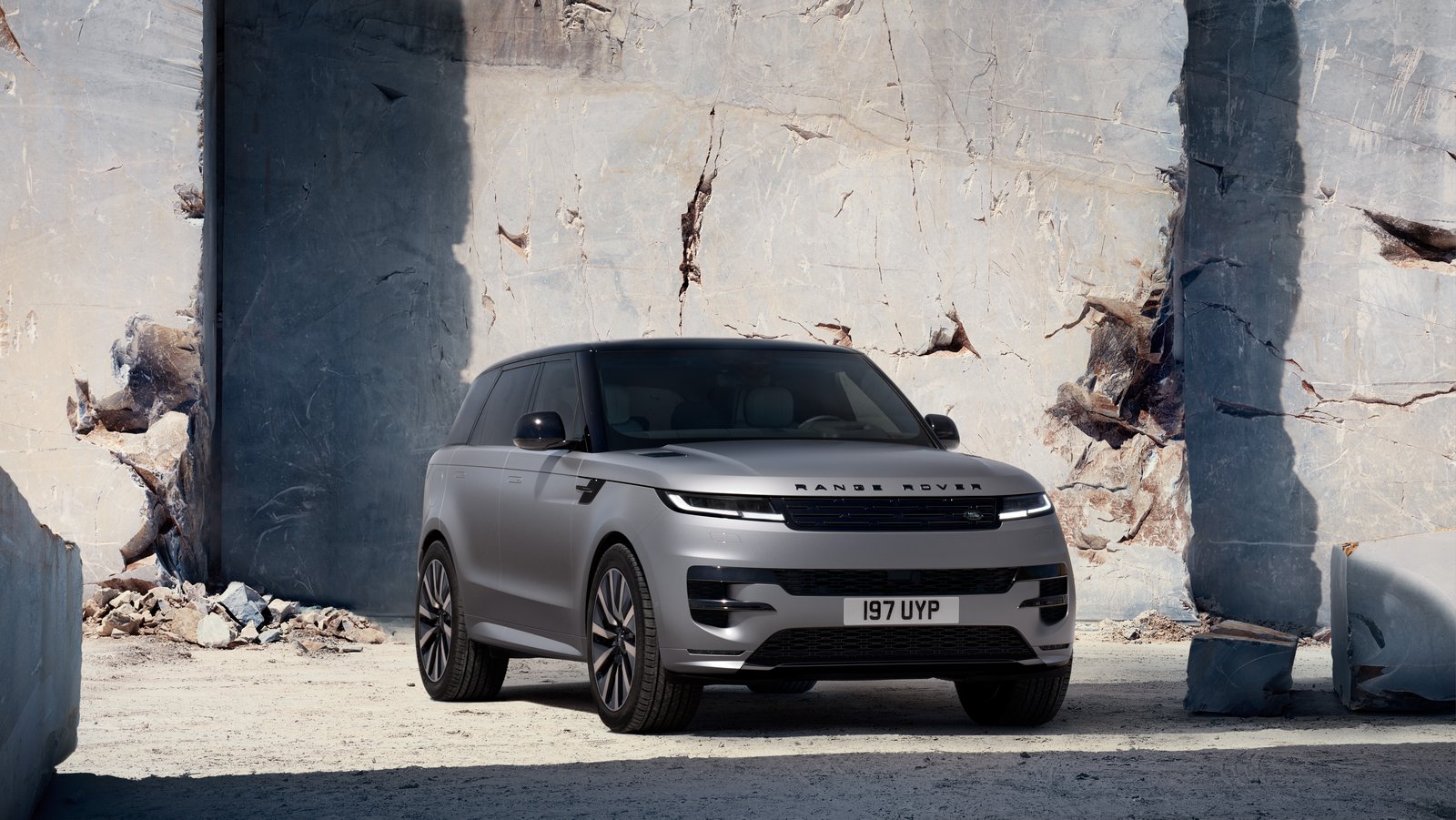
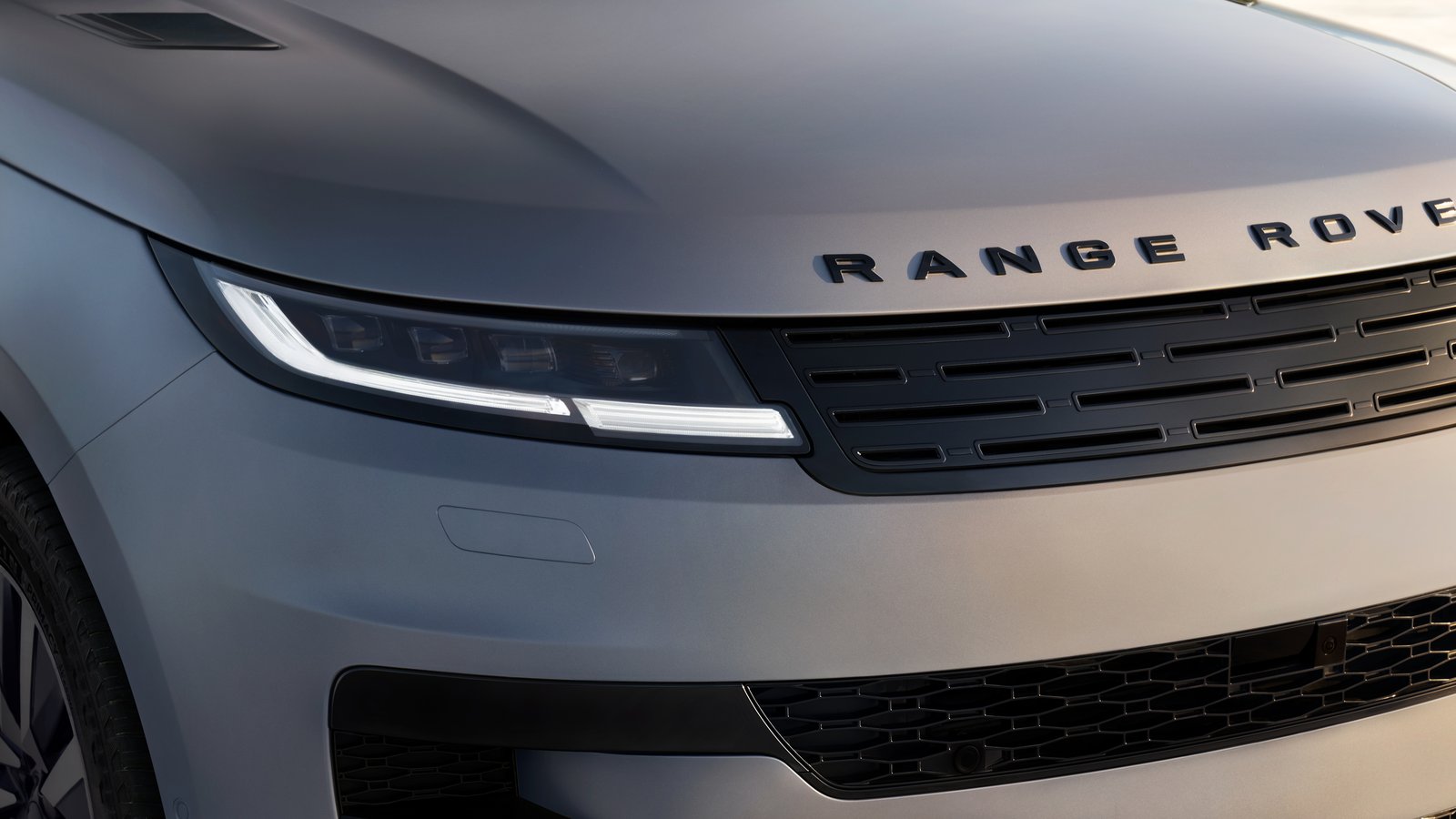
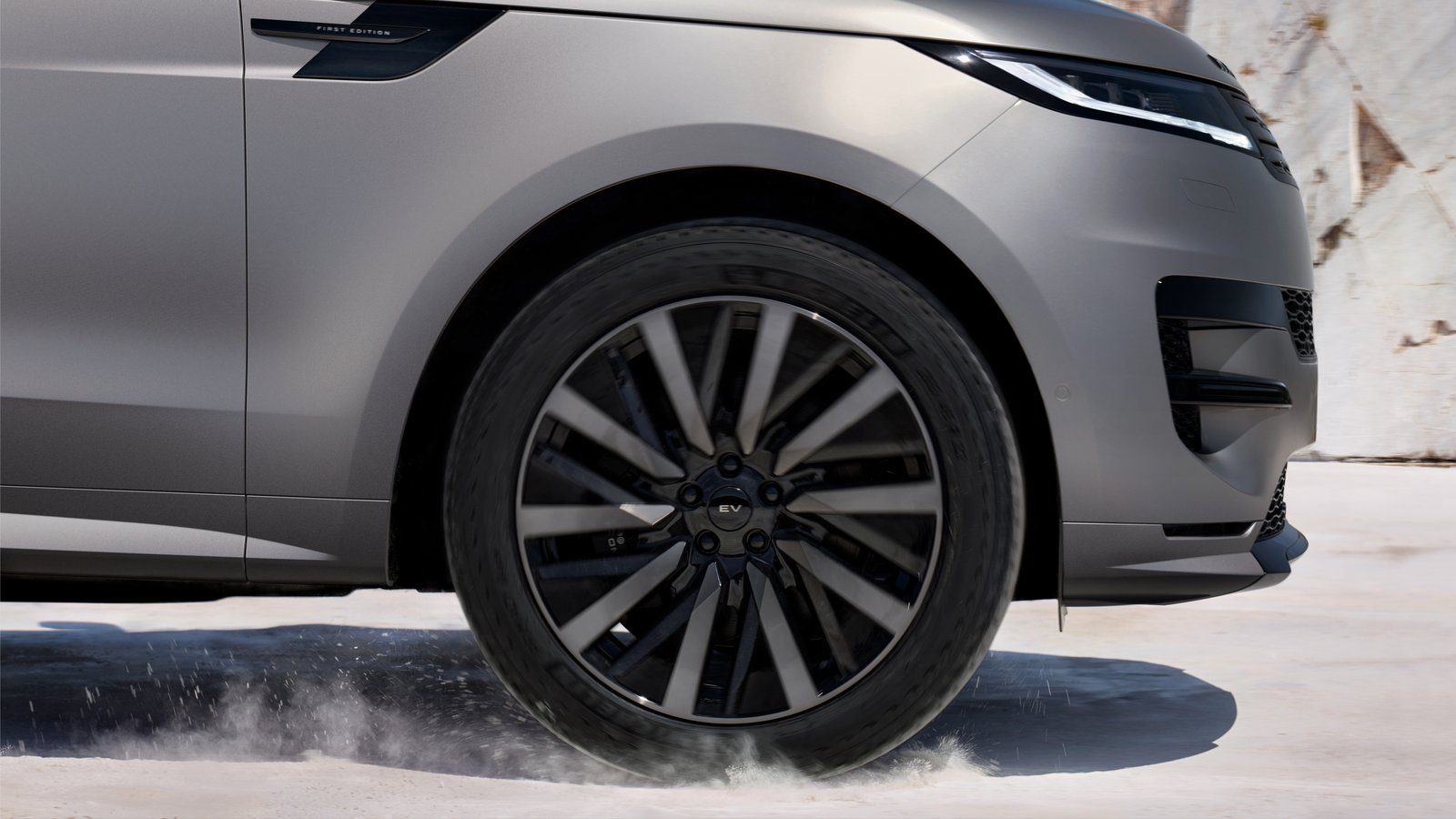
Visually, it is identified by an aero-optimised grille and unique 21- and 22-inch wheel designs, which Range Rover says add up to 16km of range at motorway speeds. The drag coefficient is 0.29. Range Rover has also developed a distinctive sound profile for the electric model’s drive modes.
Inside
The cabin carries over the Range Rover Sport layout, with a 13.1-inch curved Pivi Pro touchscreen and a 13.7-inch digital driver display. Boot space is 789 litres with the rear seats up and 1814 litres with them folded.
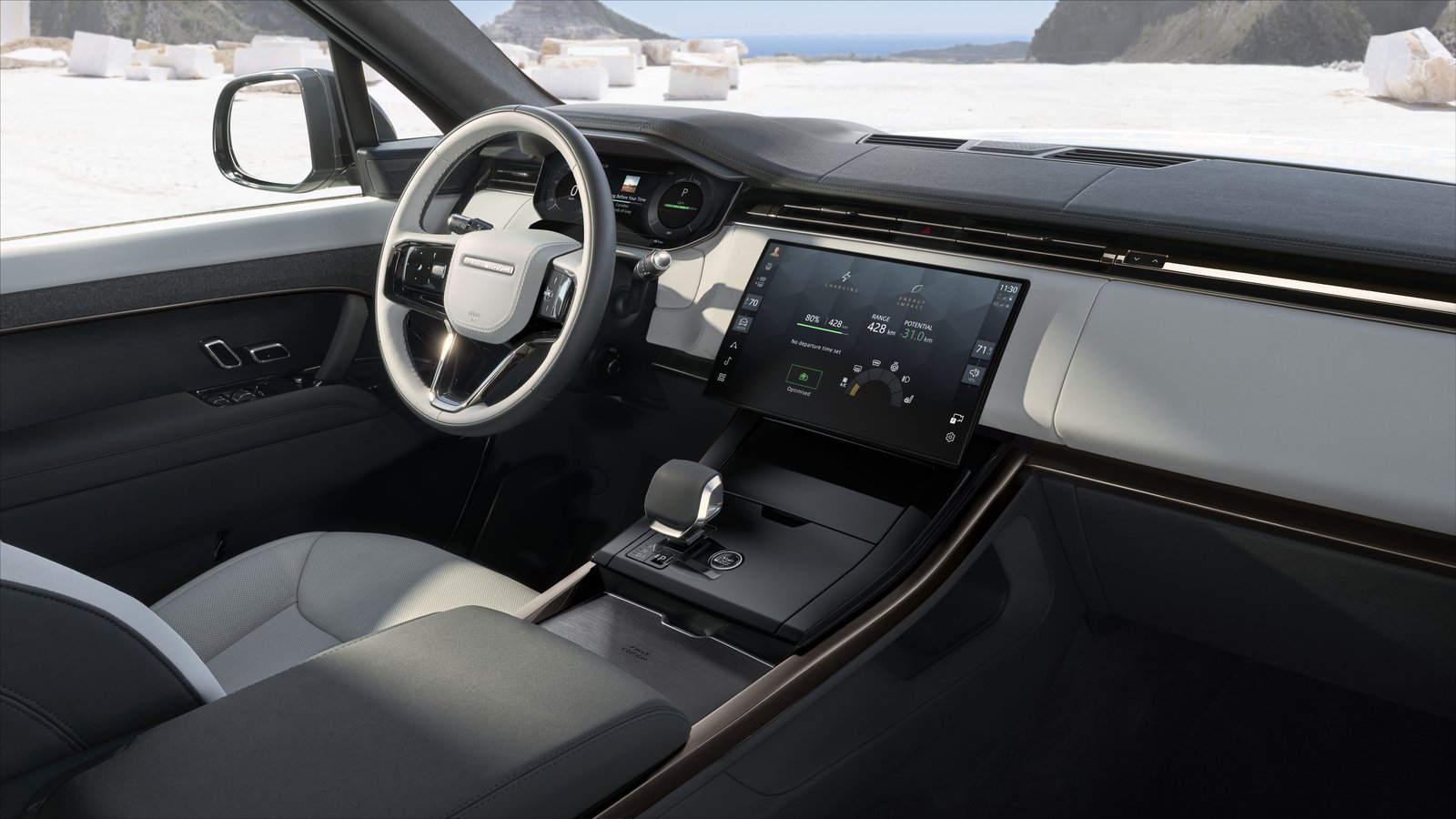
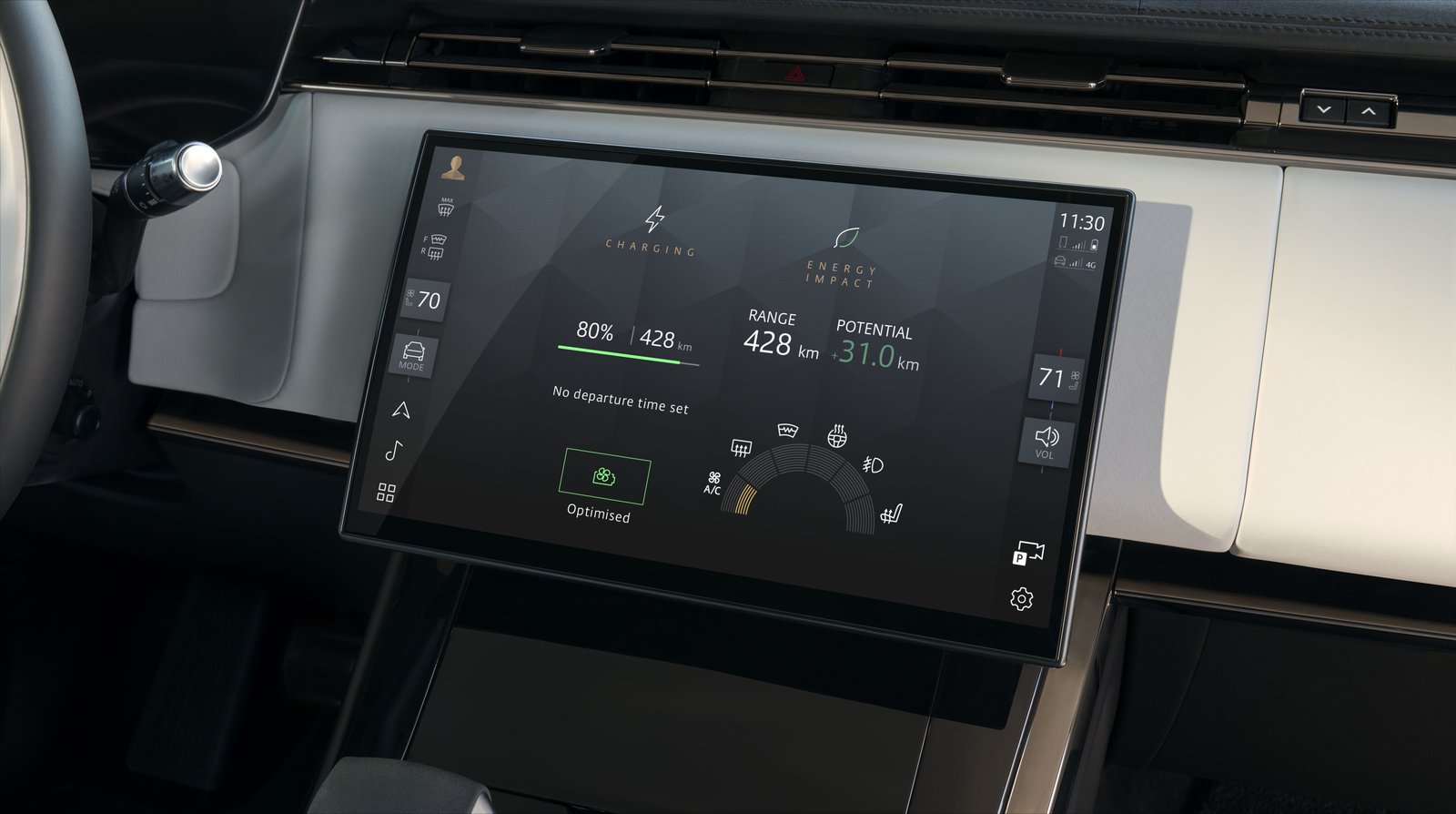
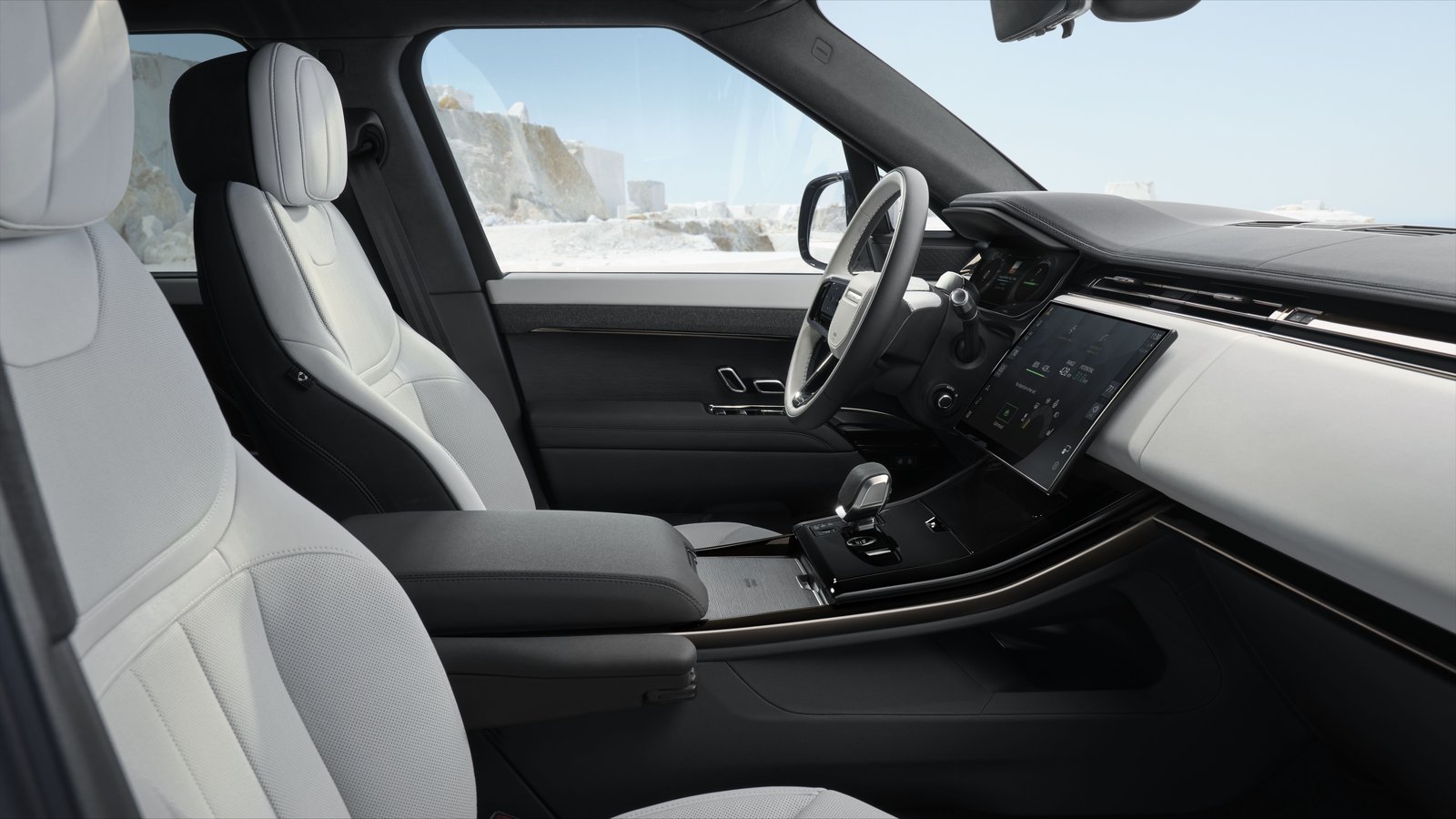
Range Rover Sport Electric is available to order now in New Zealand, in Dynamic SE and Autobiography specifications. Pricing has not yet been announced.

Join the conversation