
Nissan wants Chinese-partner EVs for New Zealand, but the new Leaf is still on hold
The third-generation Leaf remains on hold for NZ on commercial grounds, while Nissan has its hand up for almost every Dongfeng joint venture model.
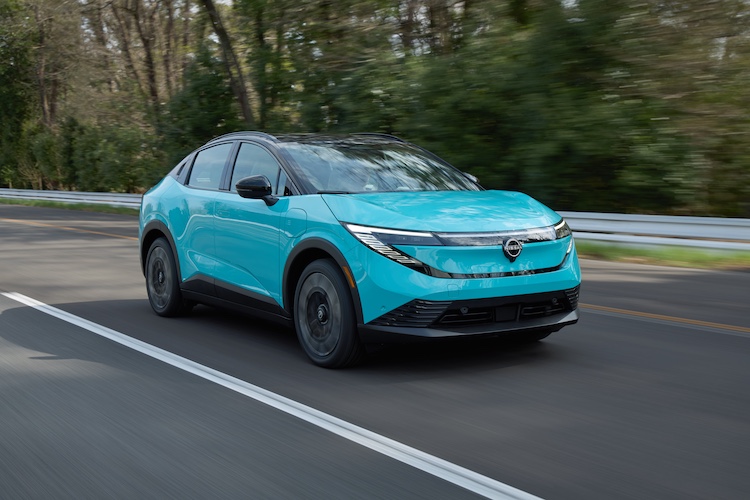
The third-generation Nissan Leaf remains on hold for New Zealand and Australia on commercial grounds, while Nissan has asked for access to almost every model in its Dongfeng joint venture pipeline.
Nissan Oceania managing director Steve Milette made the comments to EVs and Beyond at the launch of the two-wheel drive X-Trail e-Power in Queenstown.
In July last year Milette’s predecessor Andrew Humberstone said the new Leaf would arrive in New Zealand in the third quarter of 2026. The car is now in production in the UK. Asked whether that changed the picture, Milette said it did not.
“From a business case perspective it’s still on pause. The first time that we decided not to bring it in was based on the commercial considerations, and that hasn’t changed as of this time. If they do, we’ll certainly reconsider and bring the product, but for now it’s still on ice.”
The new Leaf is on sale in Japan, where we drove the Leaf Nismo.
Nissan has no battery electric vehicle on sale in New Zealand. The previous Leaf was withdrawn, and the Ariya, which launched here in late 2024, is no longer offered.
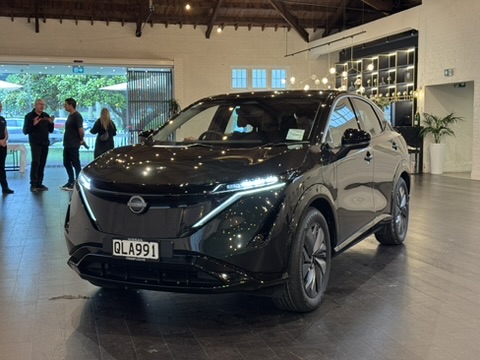
Milette said the route back into EVs would draw on Nissan’s Chinese partner as well as its Japanese, Thai and UK plants.
“We’ve got the Dongfeng partnership and unlike other OEMs, it’s not a new partnership. It’s 20 years in the making. Some of the products that you did see at Auto China, we’ve got our hands up for pretty much all of them. We’ll see what sticks and when we can make the formal announcements.”
At Auto China in April, Nissan highlighted the N7 electric sedan, the N6 plug-in hybrid sedan, the NX8 plug-in hybrid large SUV and the Frontier Pro plug-in hybrid ute, all developed with Dongfeng for the Chinese market, and unveiled two plug-in hybrid SUV concepts, one an urban SUV and the other reviving the Terrano name. Nissan said production versions of both concepts would arrive within a year, along with three further new-energy models.
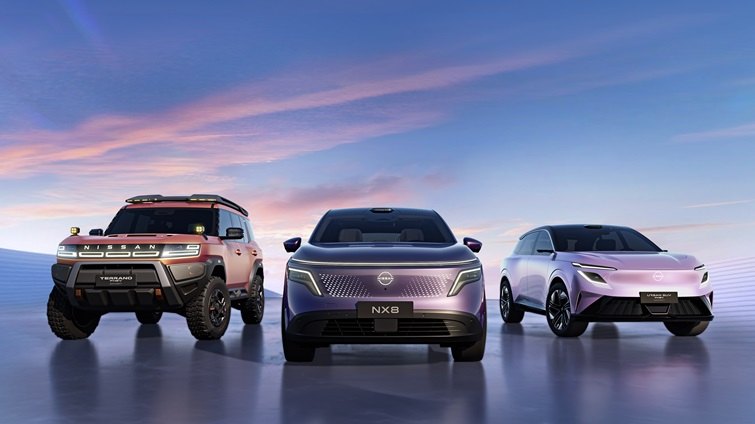
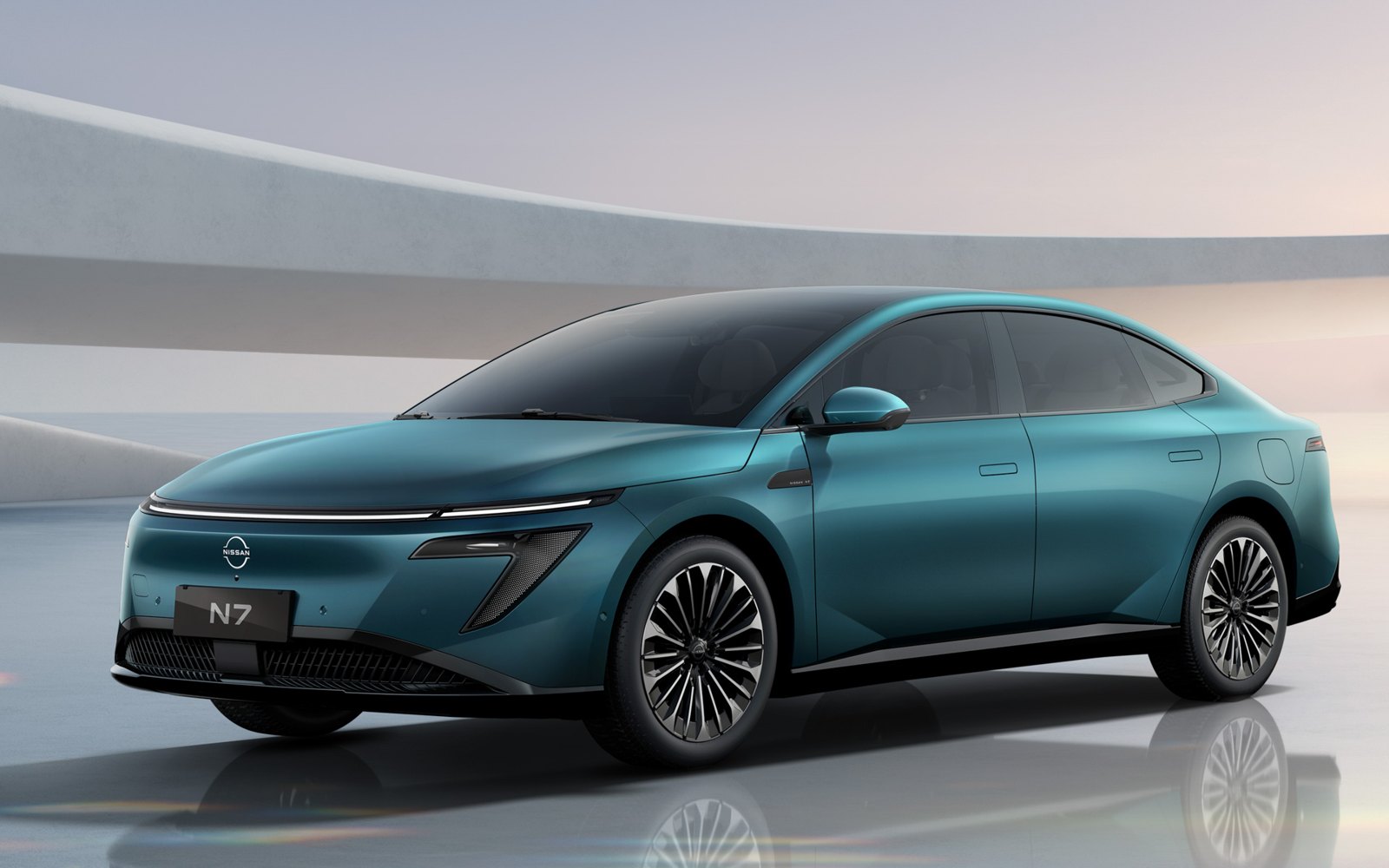
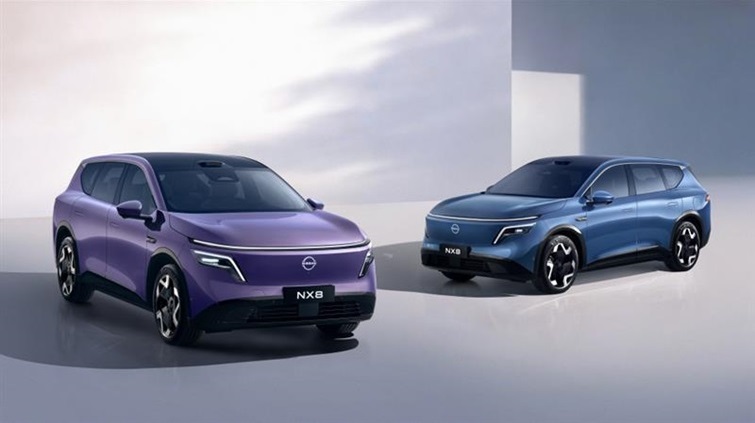
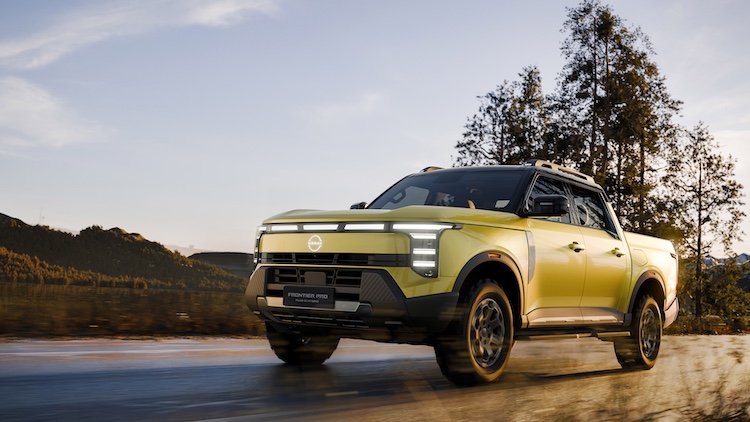
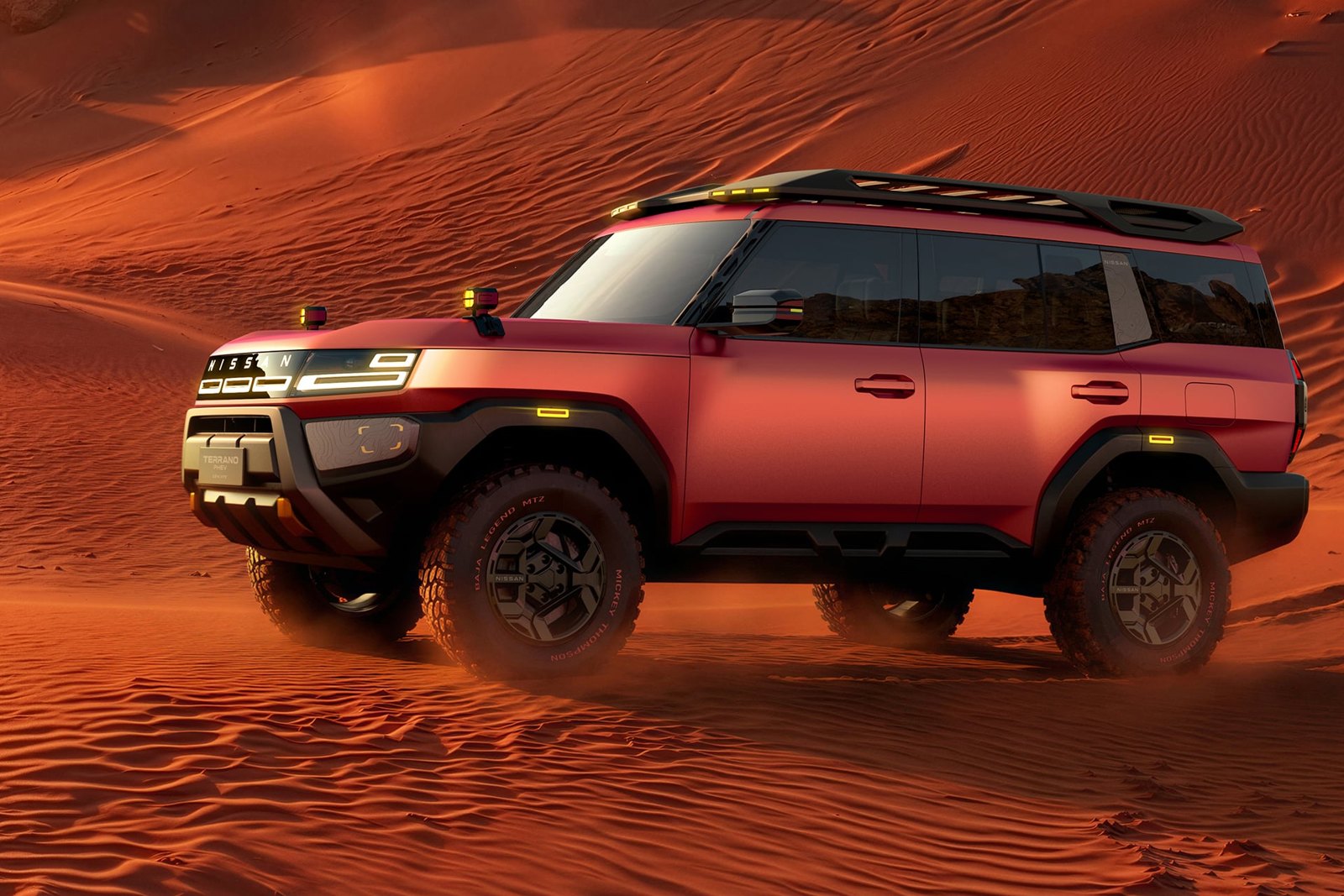
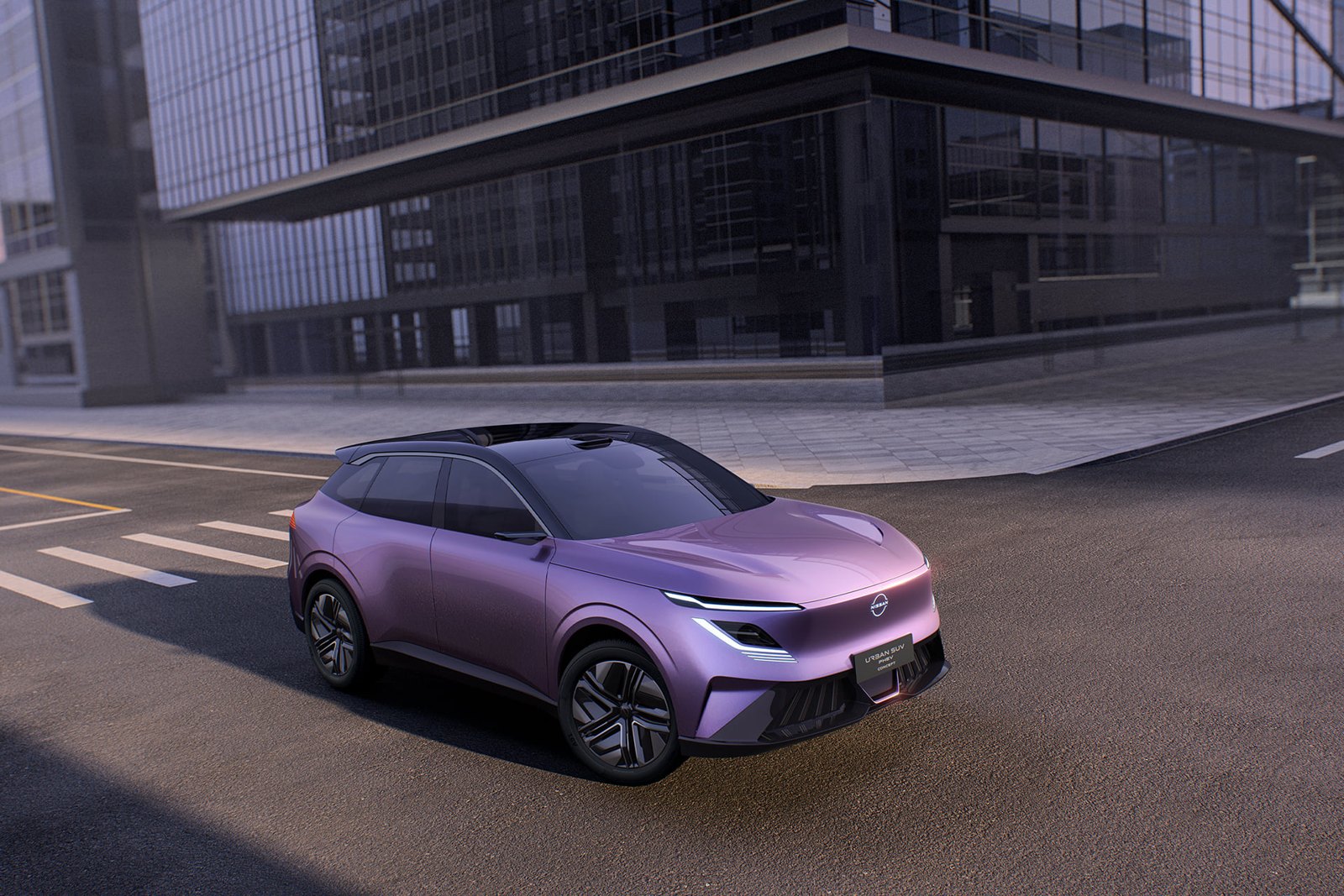
Milette did not say which of them were under consideration for this side of the Tasman, only that Nissan Oceania had asked for nearly all of them.
“I think sourcing from China is important. Continued sourcing from Japan is important. Today we source from Thailand, that will likely continue. We’ve got some UK production. It’s not just about China. It’s about accessing the footprint that we do have and bringing the right product for our market.”
He would not say which products would come first, or when.
“You’ll see electrification from hybrid e-Power. You might see plug-ins in the future. You’ll see full EVs. Nothing that we can formalise and provide guidance on today, but all of those technologies are in the portfolio that’s to come.”
Milette said the fuel price spike that followed the outbreak of conflict in the Middle East in late February had pushed electrified vehicle demand ahead of industry forecasts.
“The projections that most prognosticators had for 2030 were brought forward to this last quarter in terms of penetration. I think all these things will be resolved. Like everything in life, it reverts back to the mean. I do think there’s room for petrol for value and price-sensitive customers, but the market has shifted, so we will continue to shift in that direction.”
Nissan New Zealand country head Sriram Padmanabhan said the swings in Leaf pricing over the past two years were driven largely by the end of the Clean Car Discount and the introduction of road user charges for EVs.
“A big part of that is driven through government policy. I’ve seen the numbers here and it changes fairly abruptly with government policy change.”
He said e-Power, Nissan’s series hybrid system in which the petrol engine only generates electricity and the wheels are driven by an electric motor, would carry the brand’s electrification effort in the meantime.

“Based on the last four years in Australia and here, e-Power is a transitional technology which will remain relevant until 2030. Given the level of charging infrastructure that this market has, versus the ability to address customer anxiety, this car has it all.”
Nissan Oceania product manager Aleks Pecanac said the aim was to move e-Power owners into EVs when they came.
“If you give people that EV drive experience, they’re going to want to go back to that EV-like drive. Once they’re ready to change out of their e-Power, that will be the perfect time to get them into a new Nissan electric vehicle.”

Join the conversation