
Nissan Ariya bound for Australia following NZ debut
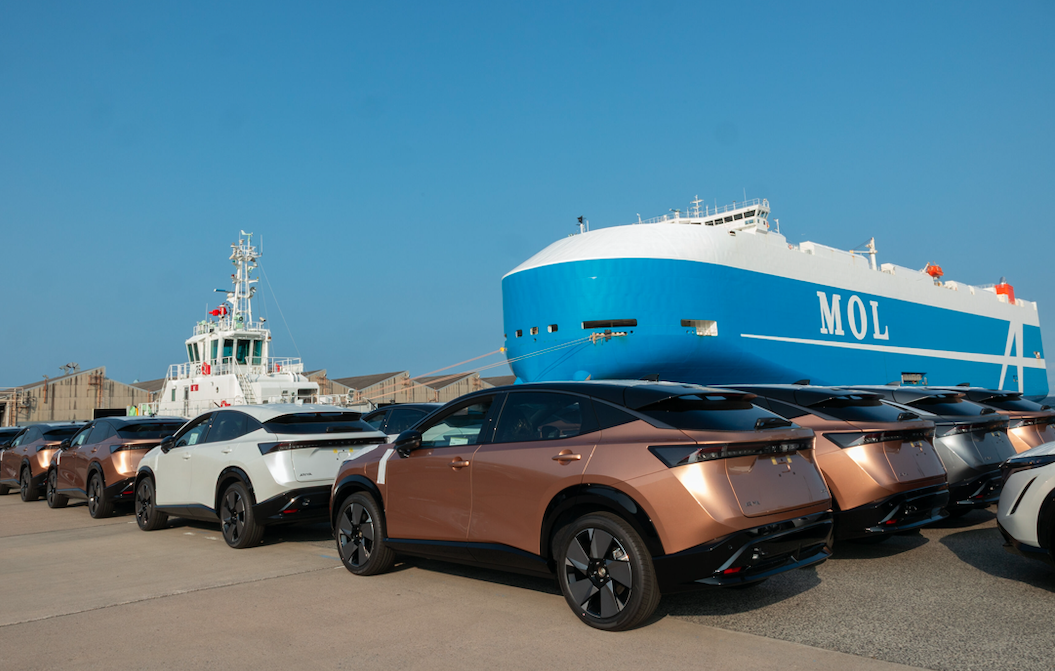
The first examples of Nissan’s new Ariya electric vehicle are on their way to Australia, with the highly anticipated model set to go on sale there at the start of September — almost a year after its New Zealand debut.
Built at Nissan’s advanced Tochigi Plant in Japan, the Ariya marks the brand’s next step in its electric vehicle strategy. Australian customers can now place orders online via the Nissan Australia website or through the national dealer network.
“The wait is almost over for one of our most exciting vehicles, and I look forward to seeing the Ariya on Australian roads,” says Warwick Daly, deputy director marketing and mobility, Nissan Australia.
“Nissan wrote the mass-market EV blueprint with Leaf, and Ariya represents the next chapter of our electric vision, with incredible design and technology and, most importantly, an exhilarating and engaging drive experience.”
New Zealand customers have had access to the Ariya since late 2024, with Nissan New Zealand launching the model and opening orders well ahead of Australia.
The Ariya’s design reflects what Nissan calls its “Timeless Japanese Futurism” philosophy, blending sharp, modern styling with influences drawn from Japanese culture.
“We wanted to ensure that the soul of the vehicle reflects our distinctive Japanese DNA, conveyed in a simple, yet powerfully modern manner,” says Nissan senior vice president of global design Alfonso Albaisa.
“We dubbed this ‘Timeless Japanese Futurism’ and tapped into key Japanese words to inspire our global design team to produce the Ariya’s ultra-sleek, seamless, sharp and powerful form.”
All Ariya variants will be covered by Nissan’s 10-year, 300,000km warranty when serviced through Nissan’s network. The service-activated warranty is part of the Nissan More program, which also offers a five-year flat price servicing plan and up to 10 years of roadside assistance.
In addition, the Ariya’s lithium-ion battery is covered by an eight-year or 160,000km capacity warranty, protecting against excessive capacity loss.



Join the conversation