
Citroën’s electric 2 CV Concept previews €15,000 production car
Citroën's 2 CV Concept previews an electric car due by 2028, built in Europe with a target price of around €15,000.

Citroën has revealed the full 2 CV Concept in Paris, and unlike most show cars it comes with a production plan. Citroën says the electric car it previews will arrive by 2028, be built in Europe and start at around €15,000.
We ran the teaser last week. The concept was shown at Stellantis’ “The Night Before” event ahead of the Paris Motor Show, which runs from 12 to 18 October.

The concept is 3.76m long, shorter than the original 2CV, and Citroën is aiming for a weight of around one tonne. It says the low weight allows a smaller and cheaper battery, with range suited to everyday driving. No battery, motor or range figures have been released.
It is designed for Europe’s upcoming E-Car regulations and would sit between the Ami and the C3 in Citroën’s range.

Design
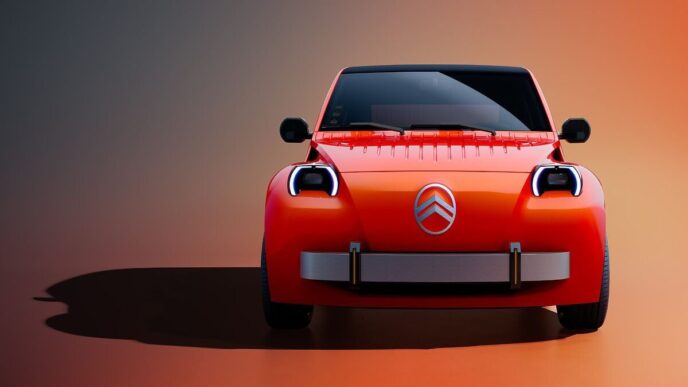
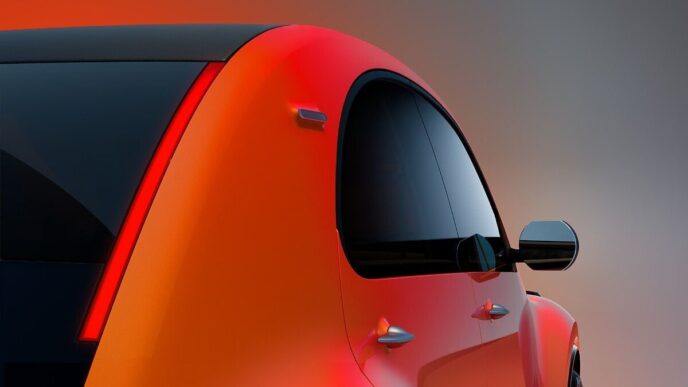
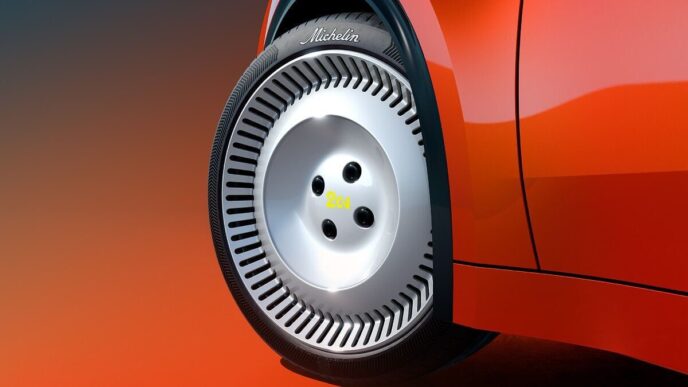
The styling borrows the 2CV’s proportions, with round headlights set apart from the body, exposed wipers, a vertical windscreen and a curved roofline. At the rear, a black tailgate runs down to the bumper. The 18-inch steel wheels wear Michelin tyres with chevron branding, and the bumpers are separate pieces so they can be replaced on their own.
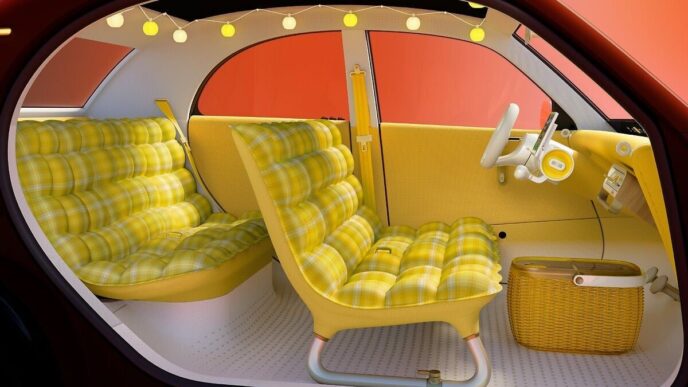
Inside there is no conventional dashboard. A cylinder carries a single-spoke steering wheel, one control lever, a paddle gear selector and an 8-inch square touchscreen. A removable basket takes the place of a centre console, the radio detaches to work as a portable speaker, and there is a fabric sunroof.
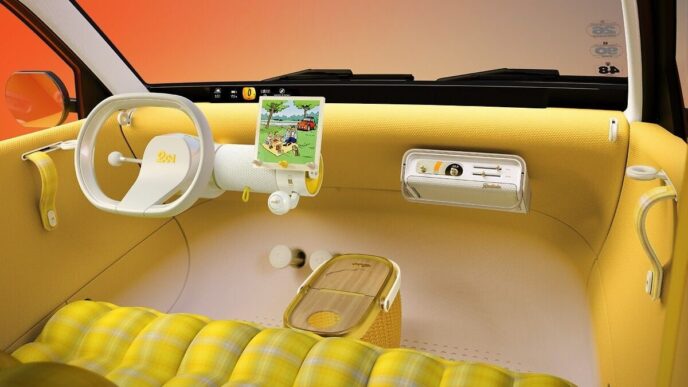

There are plenty of nods to the original. The door bins are shaped for eggs, the brake pedal carries a tortoise and the accelerator a rabbit, and the horn and start-up sound echo the old car. The windscreen carries “48 / 90 / 26”, for the year the 2CV launched, the year production ended and the year of this concept.

“The world has changed. But the idea remains the same: to make life more beautiful with Citroën,” said Citroën chief executive Xavier Chardon.
Join the conversation