
Ford Fathom electric ute will power homes without a separate inverter
Ford’s US$28,350 Fathom electric ute will supply more than 10kW to a home without a wall inverter, and Ford has now cast 5,000 unicastings for it.
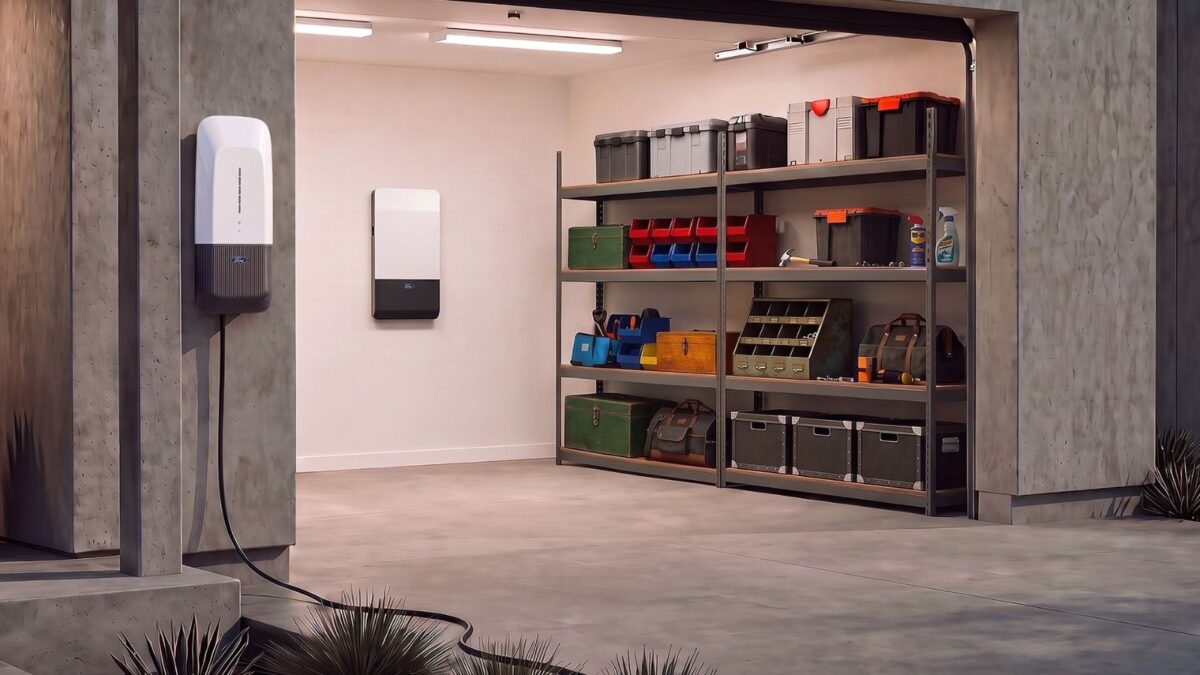
Ford’s Fathom electric ute will be able to power a house without a separate wall-mounted inverter, which Ford says will make bidirectional charging much cheaper.
The Fathom goes on sale in the United States in 2027 from US$28,350. It will offer bidirectional AC power as an option, supplying a projected 10kW or more to a home.
EV batteries store direct current (DC), while homes run on alternating current (AC). Converting between the two has usually needed an expensive external inverter, which has kept vehicle-to-home power to premium EVs.
Two ways to use it
Ford’s Home Power Management lets owners charge when electricity is cheaper and run the house from the battery when it is more expensive. It needs Ford’s Home Power Station, which Ford expects to cost about half as much as its first-generation bidirectional charger, plus utility approval and an active Ford plan or trial.
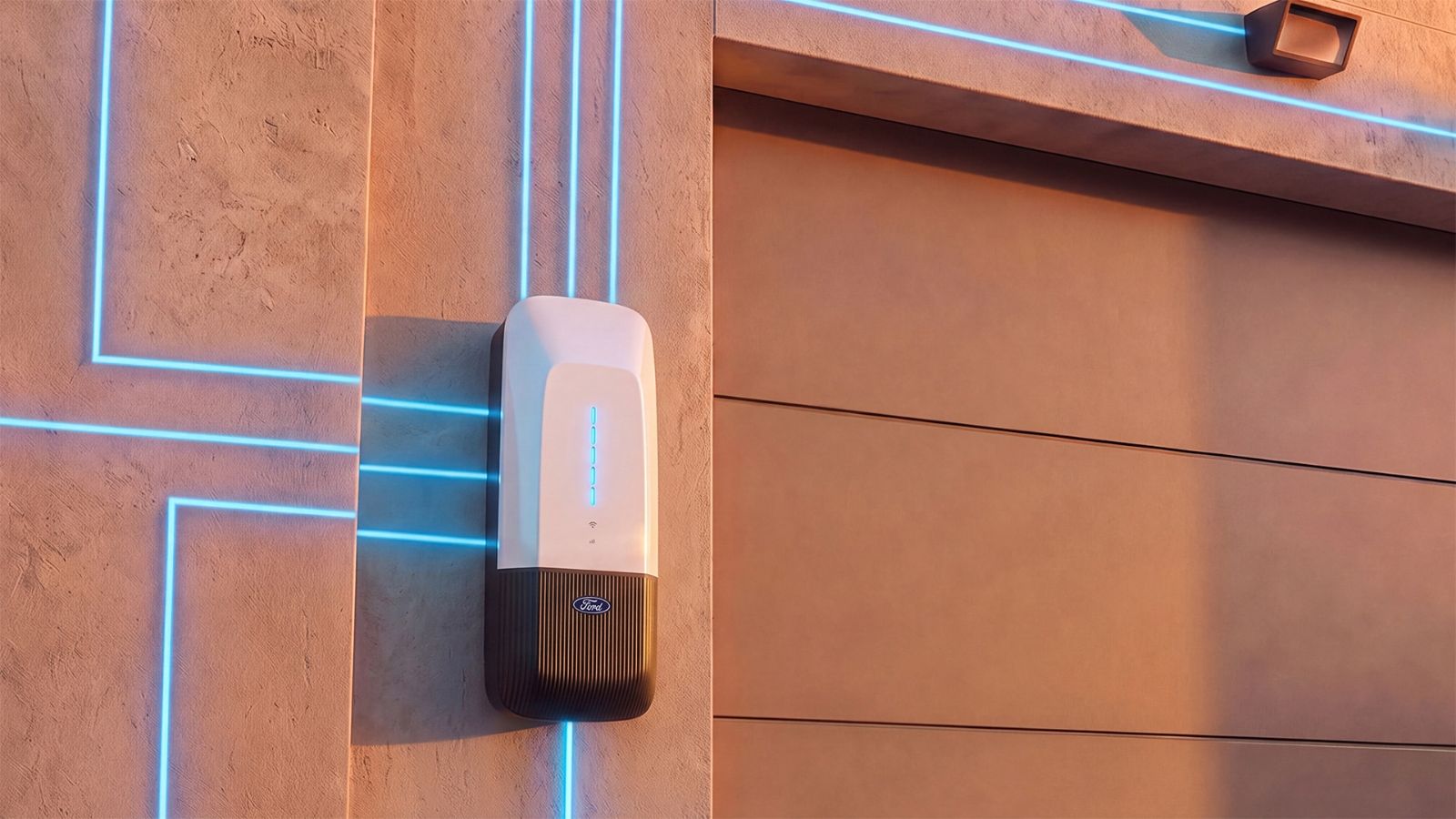
Home Backup Power runs the house from the ute during a power cut. It needs the Home Power Station and a Home Backup Power Panel, which Ford expects to cost at least 60% less than its first-generation backup hardware, and may need utility notice or approval.
“Our goal wasn’t just to add bidirectional power to our EVs. It was to redesign the system to cost far less so more people can access bidirectional power,” writes Kay Hart, the New Zealander who heads Ford’s Model e division.
5,000 unicastings and counting
Ford has also cast more than 5,000 large aluminium unicastings for the Fathom at its Shelbyville Technical Center in Kentucky. They are being used for process testing and to build prototypes at Louisville Assembly Plant ahead of production.
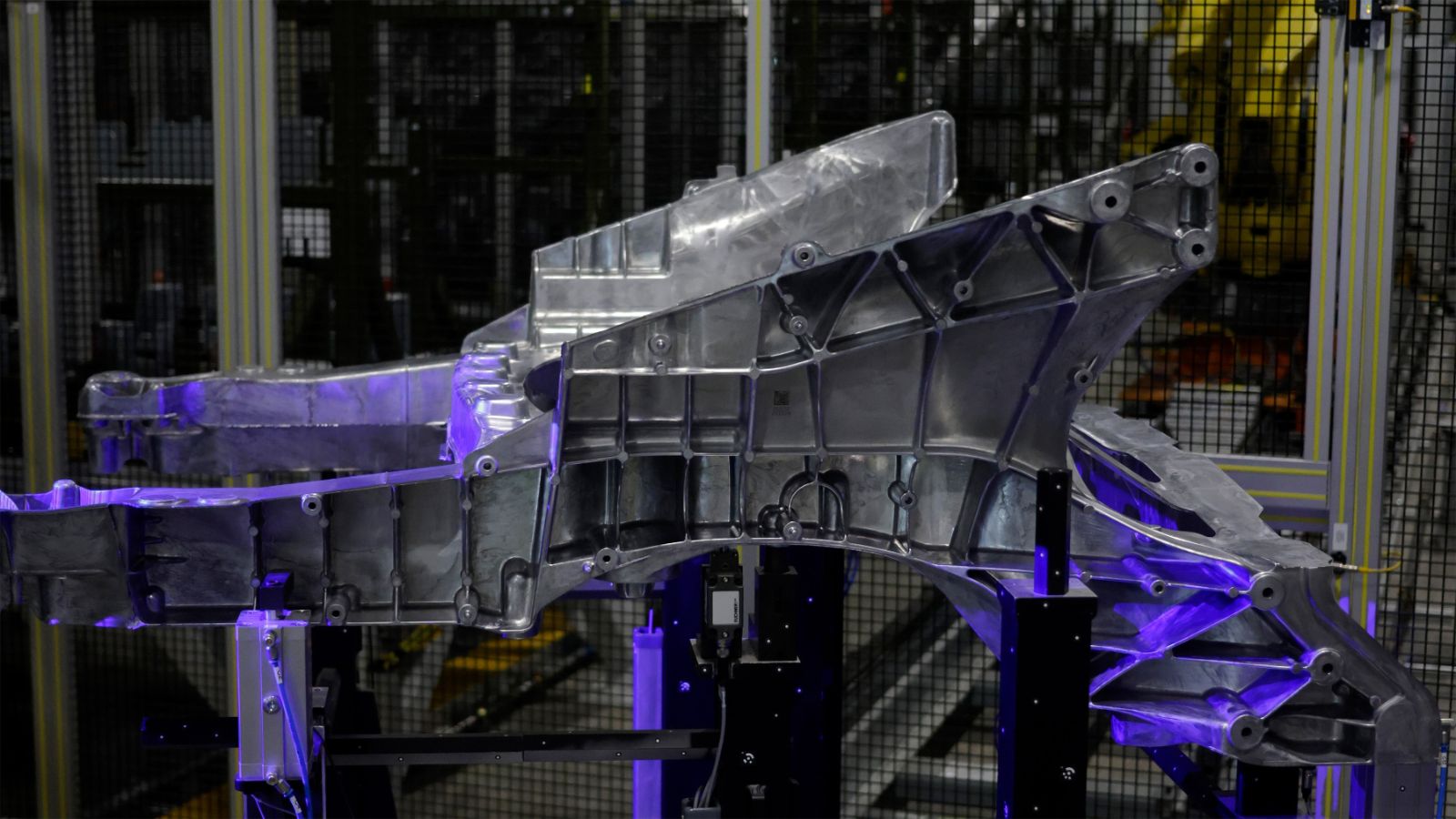
The Fathom uses two unicastings, front and rear, which replace 146 structural parts and cut weight. They are central to the Universal Production System, which splits the traditional assembly line into three branches so sections of the vehicle can be built at the same time before coming together.
Aluminium ingots are melted at about 700°C and injected into a mould. A robot removes each casting, which is quenched, trimmed and visually inspected, then machined. Samples from each batch are checked by a coordinate measuring machine, X-rayed for pores and voids, scanned optically and tested in a materials lab. Batches are held until they pass.
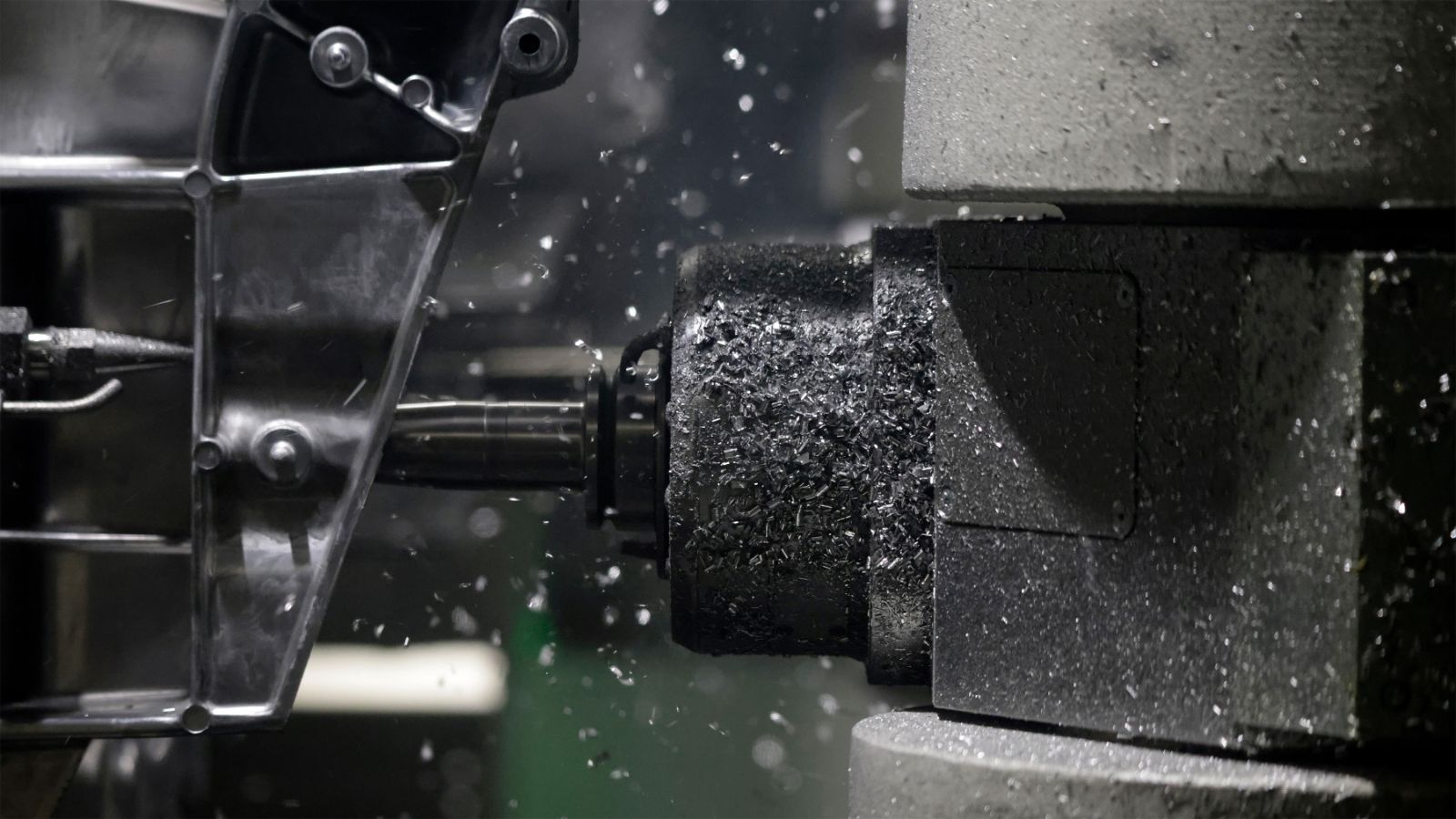
Ford says it is working to reduce the cycle time for each casting, and that the parts are designed so they can be repaired in sections.
Ford New Zealand has not ruled out the Fathom for this market, but has not confirmed it.


Join the conversation