
AAA probes carmakers on connected car and data issues
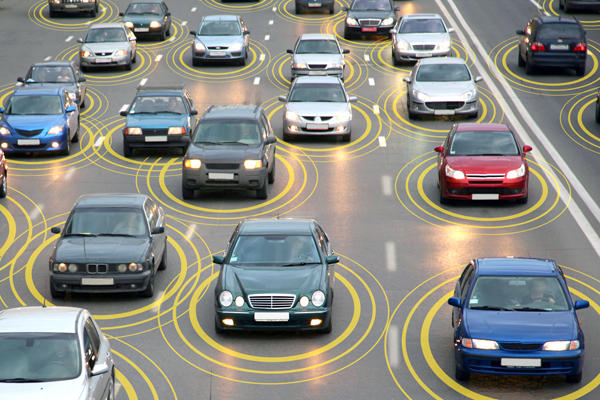
With connected cars becoming a reality and carmakers wanting to have exclusive access to the data they generate, the Australian Automobile Association (AAA) has launched a campaign to inform individuals about the benefits and risks associated with connected cars.
The AAA recently submitted surveys to all the car manufacturers available in Australia to detail the extent to which the cars they sell collect and use data.
The website will keep track of these responses. To date eight vehicle manufacturers of the 24 who sell vehicles in Australia have responded.
As part of its campaign the AAA has launched ‘My Car My Data’, a website which provides an explanation of the technology behind connected cars, and the rights that consumers should expect when they purchase one.
AAA chief Michael Bradley says: “Connected cars offer many consumer benefits. For example, these vehicles can talk to the world around them, helping drivers to be aware of and avoid traffic snarls and dangers on the road.
“But the control of the data generated by these vehicles – and the emerging debate surrounding who gets access to it – is set to pose privacy risks and possibly drive up running and repair costs due to impaired competition.”
Additionally, the ACCC is currently conducting a market study into the new car retailing industry, including whether consumers and businesses could be affected by any restrictions on access to vehicle data. The AAA says it “looks forward to the outcomes of this review”.
According to the AAA, the current experience for European owners of connected cars is that the data collected from them is only shared with the relevant carmaker.
It believes that if this scenario was replicated in Australia, car owners would have no other choice than to take their car to a branded repairer rather than an independent mechanic, which would affect competition and cost.
Will big data be owned by car owners or OEMs?
The AAA also highlights privacy concerns as data collected from connected cars allows manufacturers to pass on or sell this data to third parties, such as insurers and marketers.
“None of this is sinister in itself, but it is important Australians are told what information carmakers collect about them, and what it’s being used for before this technology becomes widespread in Australia,” Bradley adds.
“It’s also important that our politicians consider the need for regulation to protect the consumer rights of Australian motorists.”
Research by McKinsey & Company estimates global revenue from car data might be as high as nearly a trillion dollars (US$750 billion) by 2030. The AAA sees this as a strong financial incentive for carmakers to deploy the technology in Australia.
The concerns about in-car privacy have been underlined by the McKinsey report ‘Today’s car has the computing power of 20 personal computers, features about 100 million lines of programming code, and processes up to 25 gigabytes of data an hour’, the report notes.
To access the website click here.

Join the conversation