
ABB outlines e-mobility plans
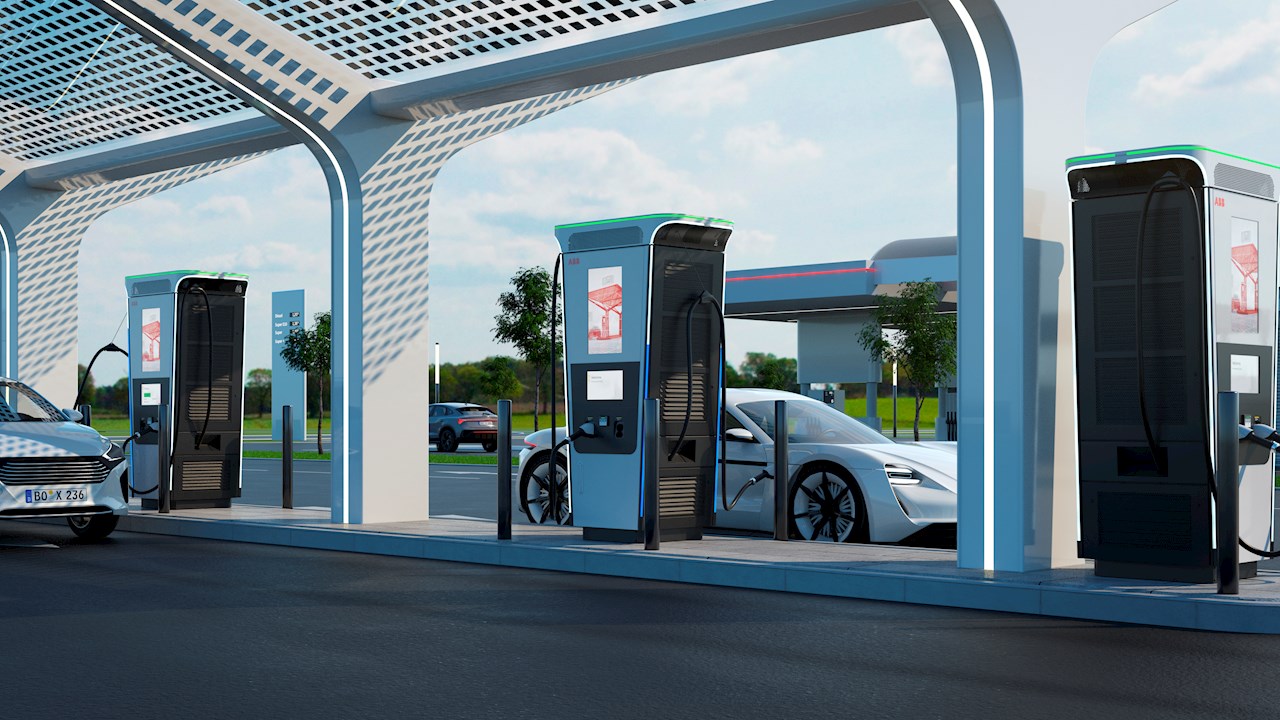
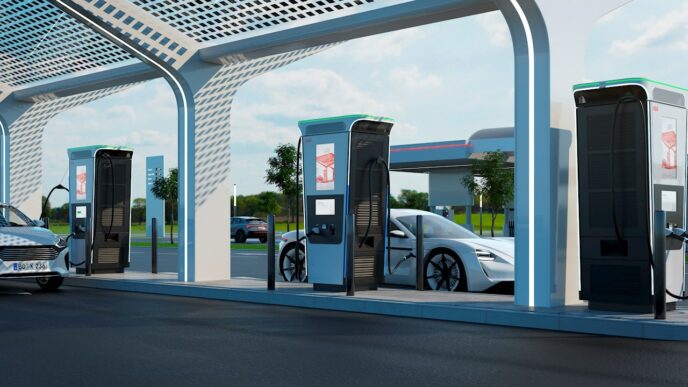
ABB e-mobility is hosting its virtual Capital Markets Day with discussion around ABB’s EV charging products, digital services and advanced energy and fleet management solutions, as well as its growth strategy.
“We are a leader in building a zero-emission future, with smart and reliable electric vehicle charging solutions,” ABB chief executive Frank Mühlon says.
“We are perfectly aligned to the current e-mobility trends and see massive market opportunities driven by the global electrification and digitalisation agendas of countries, corporations and individuals.
About 130 million new EVs are expected on roads in key markets from 2021 to 2030, while some US$590 billion in investment in EV charging infrastructure is required from 2021 to 2040 to meet global emission targets, ABB says.
The company has sold more than 680,000 EV chargers across at least 85 markets (30,000 DC fast chargers and 650,000 AC chargers).
It has a portfolio of EV charging hardware for cars through to public transport and heavy-duty vehicles, software and services with a variety of B2B and B2C networked solutions and fleet management platforms.
During the last four years, ABB’s e-mobility division achieved a compound annual growth (CAGR) rate in its revenues of about 60%, driven by accelerating order growth across all customer segments and strategic acquisitions across targeted geographies.
So far this year, ABB has announced the acquisition of a controlling interest in InCharge Energy, a North American EV commercial charging infrastructure solutions company, and increased its existing controlling stake in Chargedot, a leading Chinese e-mobility solution provider.
The business is targeting revenue growth of 40-45% in 2022 after achieving US$323 million in revenues in 2021, backed by a significant order intake and resulting order backlog.
In the mid-term, ABB expects revenues to outperform the market by growing 25-30% per year. To support its ongoing growth story, the company has a funding need of about US$750 million to finance acquisitions and organic growth investments.
In terms of profitability, the division is expecting an operational EBITDA margin around break-even in 2022 as the focus remains on investing heavily in growth.
In the mid-term, an operational EBITDA margin of 15-20% is targeted driven by operating leverage, as well as a different portfolio mix as the company’s software solutions and digital services offering grow.
ABB e-mobility plans to migrate from a hardware-focused business towards a balance with software and digital services, offering customers access to fully integrated end-to-end platforms, with the aim of securing higher gross margins and recurring revenues.
Digital solutions enable customers to efficiently maintain and manage a charging network. Meanwhile, advanced energy and fleet management offerings help customers to optimise the performance of both chargers and their EVs, while enabling lower cost of ownership, ABB says.
ABB has brought innovations to the EV charging market, including liquid cooling to cables for high-power chargers, bi-directional charging with frequency containment reserve, and EV fast charger the Terra 360kW.
Two projects in development include supporting the electrification of long-range trucks by developing a new standard megawatt charging system (MCS), which will support up to 3MW.
ABB is developing a dedicated liquid cooled charger for the Chinese market with dynamic load allocation and up to four dispensers, enabling a charging speed of up to 200km of range in five minutes.
A separate legal entity – ABB E-mobility Holding AG – has been created to which Michael Halbherr has been appointed chairman. He is a founder, investor and board member of several start-up technology companies, as well as a board member of Zurich Insurance Group and Vontobel Holding of Switzerland.
Click here for more on ABB’s Capital Markets Day.


Join the conversation