
ACT Minister targets EVs for zero emissions goal
Canberra is set to become a world leader by transforming its transport system through electric vehicle uptake and other forms of eco-friendly modes of transport.
It is part of the city’s plan to achieve a zero emissions goal by 2050
The ACT claims it will reach the ambitious goal of zero net emissions by 2050, with interim targets.
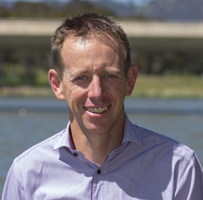
“Given the transport sector will produce 60 % of the ACT’s greenhouse emissions, once we have 100% renewable electricity production in 2020, transforming our transport sector will be a crucial part of achieving this goal,” says Australian Capital Territory (ACT) minister for climate change, Shane Rattebury.
Rattenbury says that work on decarbonising Canberra’s transport sector had already started, with his government building renewable energy-powered light rail and overseeing a 12-month trial of electric buses, which will also run on renewable electricity.
“We already have five public electric vehicle charging stations in the city, and a research and development pilot project that is a key step in building an electric vehicle charging network in Canberra,” he adds.
Rattenbury made the claims at the launch of a report in Canberra by leading think-tank, Beyond Zero Emissions (BZE), which notes that Australia could replace its entire urban fleet of buses in only 10 years at little or no cost to the economy.
This transition, powered by 100% renewable energy, would eliminate 6% of Australia’s national emissions and more than a third of all transport emissions.
The report finds the capital costs of a transition to EVs is offset by the lower costs of running and maintaining an EV. The research is part of BZE’s Zero Carbon Australia program, which shows how each sector of the economy can become zero carbon using existing technology.
The report also suggests that the transition to EVs will be cheaper if the total number of cars on the ACT’s roads are reduced.
A significant move away from private car ownership in the near future is being made possible by the rise of new business models such as Uber and new technologies such as autonomous vehicles.
The report was developed by BZE in conjunction with the Centre for Energy and Environmental Markets (UNSW) and consulting group MRCagney.

Join the conversation