
Australian EV interest stabilises as buyers become more selective
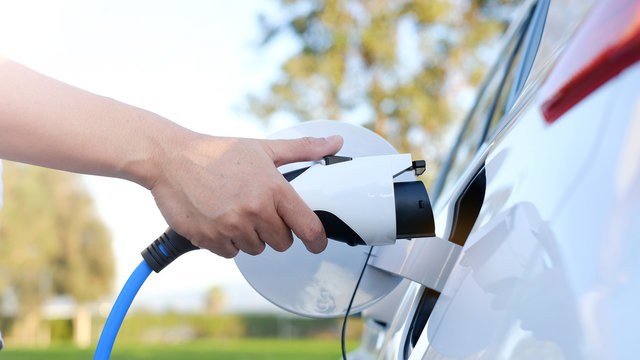
Electric vehicle consideration has stabilised in Australia after years of decline, but buyers are becoming increasingly selective about which brands they would seriously consider purchasing.
The latest carsales EV Survey Report shows EV consideration holding steady at 36%, following the first uptick earlier in 2024. However, the research reveals significant shifts in brand awareness and buyer behaviour as the market matures.
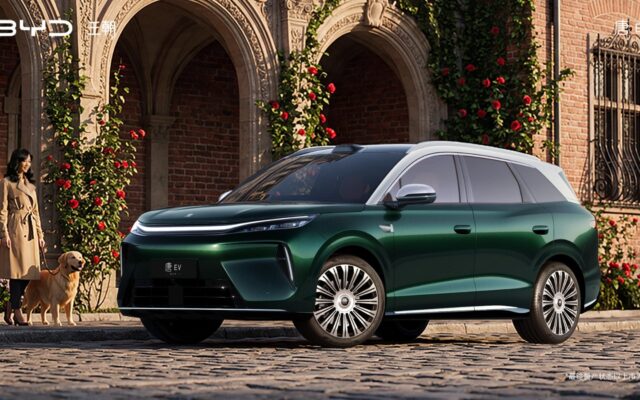
Tesla’s dominance is softening, with unprompted awareness slipping to 70%, while BYD continues to gain momentum at 58%, significantly closing the gap between the two brands. The average number of EV brands considered has fallen to 2.8, indicating buyers are narrowing their options.
“What we’re seeing now isn’t a surge or a slump – it’s a pause,” says carsales Data Services Director Ross Booth. “EV interest has levelled out, but buyer behaviour is evolving. Australians are becoming more discerning, considering fewer brands and weighing long-term value much more carefully.”
Booth says Tesla remains highly visible, but visibility alone is no longer sufficient. “BYD’s continued rise shows how quickly trust and consideration can shift when buyers feel a brand better meets their needs — particularly on value, product range and reassurance around ownership.”
Growing confidence in used EV market
Nearly one in five EV owners purchased their vehicle used, highlighting growing confidence in the second-hand EV market. Fewer EV intenders are only considering new vehicles, dropping from 40% to 34%, with 54% now open to both new and used EVs.
Over one-third of buyers say a verified battery health certificate would make them more willing to buy a used EV, while the same proportion say a 24-hour test drive would boost EV consideration.
The findings suggest the Australian market is maturing beyond early adopters, with buyers taking a more practical approach to EV ownership.
Country of origin increasingly important
Country of origin has emerged as a much bigger factor for EV buyers, with 53% considering it important compared to just 13% for car buyers overall, according to the carsales Consumer Sentiment Report.
Japanese and German EV manufacturers are most strongly considered by EV intenders, while Chinese-made EVs face the second-lowest consideration despite their growing market presence.
Persistent barriers remain
Resale value leads concerns at 50%, followed by lack of charging infrastructure at 49% and charging time at 48%. Battery-related uncertainties dominate, with 62% citing battery longevity and 60% saying replacement cost is their biggest uncertainty.
Despite these concerns, EV and hybrid intention combined now overtakes petrol by 2035, with 48% of buyers expecting to be driving an EV or hybrid by this time.
The research suggests while immediate EV adoption may have plateaued, long-term intentions remain strong as infrastructure and technology continue to develop.
The findings from Australia’s largest automotive marketplace provide insights that may reflect similar trends across the Tasman, as both markets face comparable challenges around charging infrastructure, vehicle availability and consumer education.

Join the conversation