
Australia’s home-charging delay ‘undermines transition’, EV council says
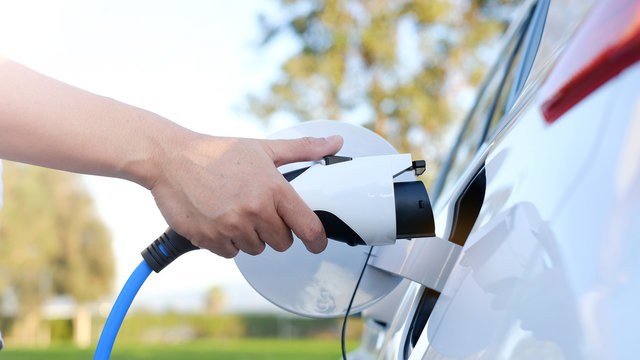
Australia’s push to electrify transport has been dented by a decision to pause new building rules that would have made it easier to install EV chargers in new homes, the country’s Electric Vehicle Council (EVC) says.
Commonwealth, state and territory building ministers this week agreed to pause and streamline the National Construction Code (NCC) until at least mid-2029. As part of the decision, proposed EV-charging provisions and residential energy-efficiency changes will not be introduced at this time.
EVC chief executive Julie Delvecchio said the move weakens efforts to cut emissions and household transport costs.
“Hitting the brakes on requirements that make it easier and more affordable for new homeowners to have smarter EV chargers at home undermines Australia’s efforts to electrify households to reach climate targets.
“This is a missed opportunity to embed practical, low-cost electrification measures into our building standards at a time when urgent action is needed to achieve the nation’s 2035 emissions reduction goals.”
Delvecchio said a simple requirement such as a dedicated circuit for EV charging would add about $200 to the cost of a new home.
“Simple measures like a dedicated circuit for EV charging at homes which would add only $200 to the cost of a new home while making it easier for Australians to charge their cars at home and escape the eye-watering cost of petrol have been left out of the updated Code.
“Every home built without these provisions will be more expensive to retrofit later, creating unnecessary barriers for Australian families wanting to make the switch to electric vehicles.”
With most charging expected to occur at home, the council argues the NCC needs to ensure new builds are EV-ready.
“Many policy levers need to be pulled to ensure that one in every two new cars on Australian roads is electric by 2035 – that includes increasing Australians’ access to EV affordable charging solutions. In line with overseas, we know that 85% of Australians will charge their EVs at home, so ensuring new built residences are EV-ready makes going electric more cost effective for Australian families.
“We call on the state governments that are committed to helping their residents cut the cost of transport, to implement these low-cost, common sense changes in their states.”

Join the conversation