
Autonomous revolution driven by China
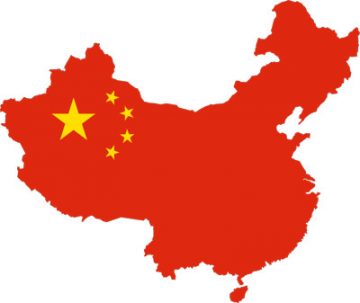 China will spearhead a US$1 trillion autonomous driving revolution with 290 cities starting ‘smart city’ pilot projects.
They include 93 focused on mobility that may potentially use infrastructure interlinked by software to allow driverless cars, or autonomous vehicle and shared-driving models, the South China Morning Post reports.
Car-based “mobility services”, such as car-sharing, ride-hailing and driverless cars with entertainment, information and communications services, are projected to generate US$1 trillion in revenue for suppliers globally in 2040.
That’s from nearly zero a decade ago, according to information and analytics provider IHS Markit.
China, as the world’s largest market for electric cars, is expected to be in pole position to shape the future of such services, transform global business models, improve road safety conditions and cut pollution, industry experts say.
Shanghai opened the country’s first driverless vehicle pilot zone in July, with about 200 vehicles tested in a closed zone.
The combined impact of mobility services, driverless technologies, electric cars and government policies will propel a national transformation in personal mobility, IHS Markit crude oil markets head Jim Burkhard says.
But Burkhard believes mass use of driverless cars could still be five years off, with many stages of technology investment and government support required, plus consumer willingness to embrace the idea.
A global car study by Deloitte showed just 26% of Chinese think self-driving vehicles will be unsafe, down from 62% last year, and compared with 47% in the US.
About 53% of Chinese expect AV technology to be delivered rapidly in coming years by smart savvy start-ups, significantly more than the 28% of consumers who think it will be delivered by traditional car makers, and 19% by existing technology giants.
In contrast, 23%of Americans think it will be brought about by new AV firms, as do just 12% of Japanese consumers.
A rush of new Chinese car brand start-ups has been emerging to challenge traditional car giants.
One of the newest, Byton, is in three countries and has about 400 employees. Byton expects to make its global debut at the Consumer Electronics Show 2018 in Las Vegas with its self-driving electric SUV.
China marque Nio intends launching its own AV next year – a high-performance car, the EP9.
Lynk & Co, a new concept Chinese brand under Geely Automobile, is making its China brand launch at the Shanghai Auto Show. Baidu also launched a US$1.5 billion AV driving fund in September.
From January to September 2017, China sold more than 234,000 electric cars, a 24% year-on-year increase making the nation the world’s largest market for electric cars, according to Markit data. Over the same period, the United States sold just over 140,000 electric cars – a 26% increase on the previous year.
Join the conversation