
BMW gearing up for electric production
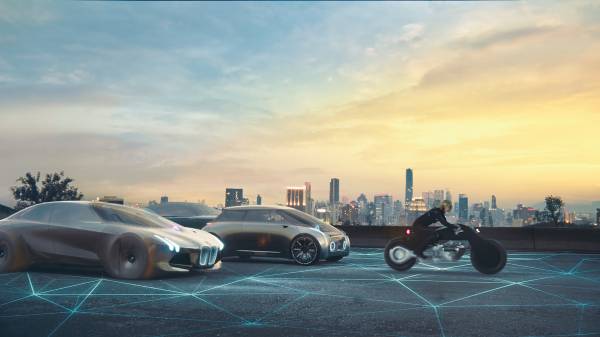
BMW Group is investing more than NZ$506 million in its Leipzig factory preparing all its plants to integrate fully electric vehicles.
The move is to allow production of combustion-powered, hybrid and fully electric vehicles simultaneously.
Work to extend and update body and paint shops, assembly and logistics is already under way at Leipzig. The aim is to increase annual production capacity by 100,000 units – from the current 250,000 to about 350,000 annually in 2020.
 Production of BMW i models will rise much earlier this year, from 130 to 200 units daily, to meet demand.
“We now have the chance to bring new German drive technologies onto the market, and must make electric mobility real for people and convince them with performance,” German transport and digital infrastructure minister Andreas Scheuer says
Since March 2005, more than 2.3 million vehicles have rolled off Leipzig’s production lines.
These included electric and plug-in hybrid vehicles, which saw the launch of BMW i3 production in 2013, followed by the BMW i8 in 2014 and the BMW i8 Roadster in March 2018.
Leipzig’s years of expertise in EV production are now being rolled out across the BMW Group’s global production system.
“Over the longer term, Leipzig will gradually develop further, capitalising on the opportunities of digitalisation and becoming more flexible to enable vehicles with any type of powertrain to be produced together on a single assembly line,” plant director Hans-Peter Kemser says.
Its paint shop will be extended, with new buildings covering 11,950 square metres, increasing capacity by more than 40%.
The introduction of cutting-edge IPP (integrated paint process, filler-free) technology will reduce energy consumption per unit by 15%, water consumption by about 30%, and wastewater production by roughly 45%.
Almost 500 additional cutting-edge industry robots will be fitted to the body shop over the next few years.
Plant Leipzig will gain importance as an in-house supplier of doors and lids within the BMW Group production network.
Assembly will gain intelligent machine assistance through digitalisation, a new panorama roof fitting system already added in March.
Preparations are also under way for the targeted use of human-robot collaboration systems, such as bonding windscreens into the BMW i3 which is already underway.
Assembly will be extended by 3500m2 for additional workstations.
Logistics changes will allow better flow of goods and pilot projects for emissions-free transport
Some solutions are still being tested, such as logistics systems for autonomous container feeds, or the use of hydrogen-powered industrial trucks being tested in a further pilot project with partners.
The hydrogen vehicles will allow zero-emissions logistics on the plant premises and have their own refuelling facilities.
Join the conversation