
BMW NZ ready for EV boost
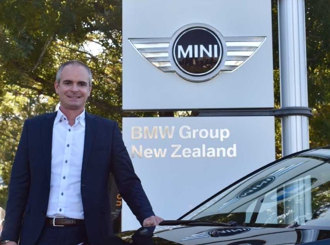 New Zealand is heading in the right direction with electric vehicles, BMW Group New Zealand managing director Florian Renndorfer says.
That’s helping BMW NZ with its own EV plans.
The Government’s target of 64,000 EVs by 2021 sends a very strong message, Renndorfer says.
“There is certainly a much greater understanding and awareness of electrified vehicles by customers, and we are seeing this understanding increase as we bring more new products to the market and more people get behind the wheel.
“The Government’s commitment to a target of 64,000 electrified vehicles by 2021 is a strong message, and we’ve already seen the increase in EVs on the road since this target was announced 18 months ago. But we’ve also seen in some international markets that purchasing incentives drive EV uptake at an even greater rate.”
More electrified vehicles are expected soon, many from Europe where development has accelerated with moves to ban diesels in various cities.
BMW Group plans to have up to 25 more electrified cars by 2025, including 12 full EVs; some models with sub-three seconds 0-100kmh ability, and offering up to 700km range.
Renndorfer says New Zealand’s more than 80% renewable electricity generation means this is “a market where electrified mobility should be at the forefront”.
The i3 is BMW’s only pure-electric production model, so volume share here mainly rests on plug-in hybrid vehicles (PHEV) that retain combustion engines, such as the i8 – with a roadster version due here soon.
Next year, the Mini E all-electric is due, followed by a battery-powered X3 SUV with 400km range in 2020 and possibly the iNext and i4 in 2021. A longer range i3 is also likely.
“In New Zealand we are committed to introducing all electrified models that are available to us,” Renndorfer says.
“The customer demand for EVs is increasing year-on-year, and with New Zealand’s high proportion of renewable electricity, electrified vehicles are a positive step towards reducing overall fleet CO2 emissions.”
The new BMWs will be built on modular platforms capable of accommodating fully electric, plug-in hybrid or internal combustion powertrains. Electric motors will range from 100kW units for front-wheel-drives, to 300kW units for rear-drive models. Several can be installed in a car, providing all-wheel drive and more than 600kW.
BMW expects EVs to comprise up to 25% of its global sales within a decade.
Join the conversation