
BMW X5 to offer five drivetrain variants
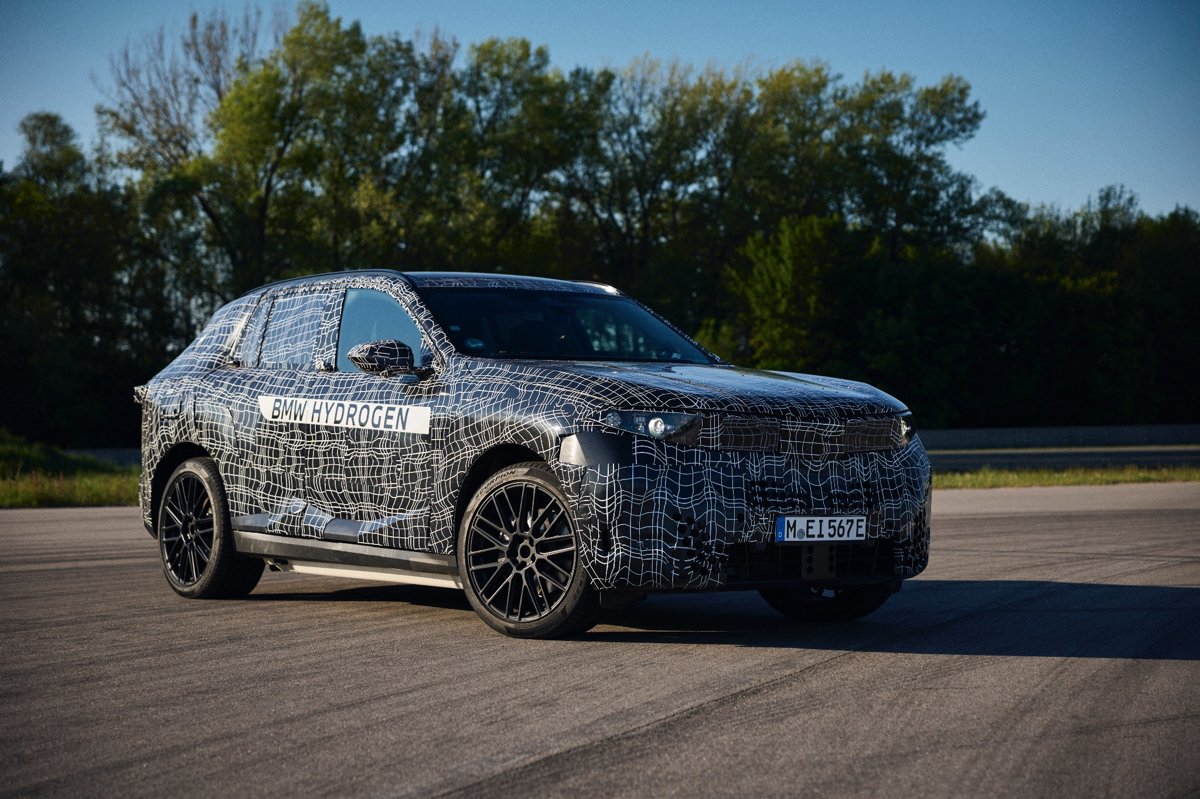
BMW will launch the new X5 as the first vehicle to offer customers a choice of five different drivetrain technologies, including battery electric, plug-in hybrid, petrol, diesel, and hydrogen fuel cell options.
The German automaker says the approach demonstrates its technology-open strategy, with the hydrogen-powered iX5 Hydrogen variant set to enter series production in 2028 following successful pilot fleet testing worldwide.
“By launching the new BMW X5 with a choice of five drive system variants, we are once again demonstrating our leading position as a technology pioneer,” says Joachim Post, Member of the Board of Management of BMW AG, Development.
“Hydrogen has an essential part to play in global decarbonisation, which is why we are committed to driving the technology forward.”
Technology-open approach drives strategy
BMW says product diversity continues to be a key success factor, with the wide-ranging portfolio of drive systems laying foundations for meeting varying customer demands worldwide.
The company’s flexible manufacturing structures and integration expertise will enable the array of drive technologies to be implemented efficiently across development, purchasing and production for the new X5 range.
From 2028, the BMW model line-up will include two types of fully electric drivetrain – battery electric and hydrogen fuel cell – underlining what the company calls the rigorous application of its technology-open approach.
iX5 Hydrogen moves to production
The new BMW iX5 Hydrogen will be the brand’s first-ever series-produced hydrogen-powered model, following successful testing of the pilot fleet worldwide.
“The new BMW iX5 Hydrogen will be a true BMW – pioneering in its class and delivering the BMW typical driving pleasure,” says Michael Rath, Vice President Hydrogen Vehicles BMW Group.
The drive technology is based on the third-generation fuel cell system that BMW is developing in collaboration with the Toyota Motor Corporation. The technological advance enables a more compact design that is also more powerful and efficient, increasing range and output while reducing energy consumption.
BMW’s competence centres in Munich and the BMW Group Plant Steyr are already building first prototypes, with further drive system components coming from the BMW Group plant in Landshut.
Infrastructure development focus
BMW is also actively involved in efforts to expand the hydrogen refuelling network through the HyMoS (Hydrogen Mobility at Scale) initiative.
The initiative was established to support hydrogen ecosystems for mobility in cooperation with industry and institutional partners, aiming to increase the economic viability of hydrogen mobility ecosystems by pooling demand for all types of vehicles, including trucks, buses and passenger cars.
A pilot phase has started with support of existing ecosystems in Germany and France to gather experiences for deployment to further metropolitan areas and potential expansion to other countries.
BMW says hydrogen acts as an effective storage medium for renewable energy sources, helping to balance supply and demand and enabling more stable integration of renewables into the energy grid.
The BMW Group sold over 2.45 million passenger vehicles and more than 210000 motorcycles worldwide in 2024, with profit before tax of €17.1 billion on revenues of €155.5 billion in the financial year 2023.

Join the conversation