
Charger congestion needs sorting – survey
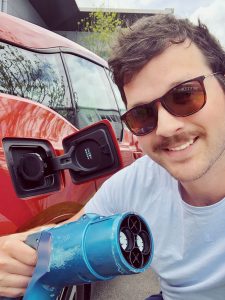 Charger availability is the top priority for electric vehicle owners.
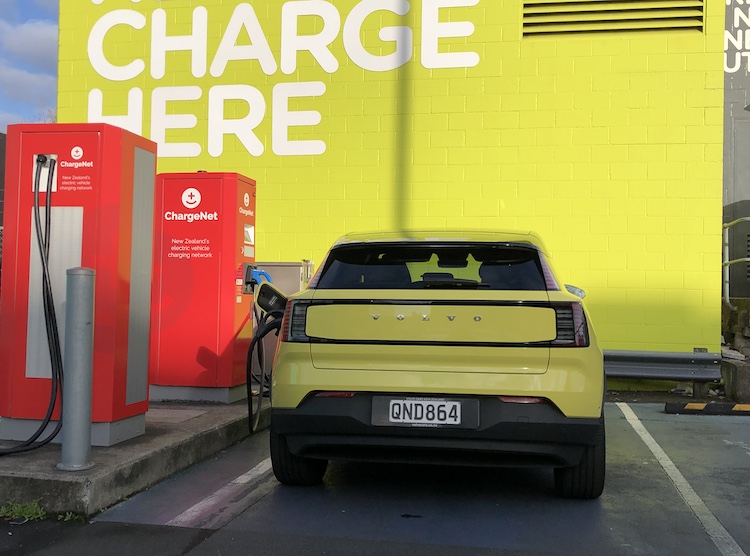
Driving straight into a charger parking space without having to queue and finding the charger in full working order are the main requirements of 108 EV owners surveyed by Flip the Fleet.
Charging station immediate availability was almost twice as important as all other features sought, which included car vacuum cleaners, wi-fi, a toilet or just a cup of coffee.
Flip the Fleet, representing low-emission car owners, asked EV owners to identify what makes the ideal charging station.
The survey found EV owners are having to wait their turn to charge on 14% of visits, for between nine and 12 minutes. These owners want more chargers installed at the charging station to alleviate congestion.
“EV owners do nearly all their charging at home. But it’s also important to have access to rapid chargers on those occasional long trips away from home,” Waikato EV group co-ordinator Justin Boyd says.
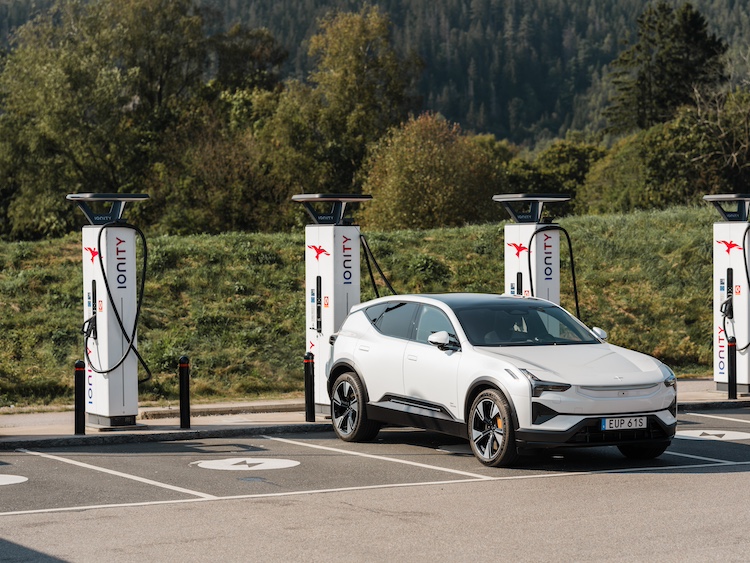
While long-distance travel depends on creating a network of charging stations every 75km along the main highways, more chargers are needed to relieve growing congestion in the main centres where most EVs are driven, the survey shows.
The second biggest issue for men is locating chargers close to a main route.
For women, high visibility to increase their personal security while waiting to charge is a priority. They were more content to drive further off the main route to charge if necessary. Proximity to shops and food, also a favourite for men, and a public toilet – especially for women, were less important.
A few want to charge close to a park for the kids or natural areas for a walk, or enjoy a good view while their car charges.
“I want something to do while I charge,” one respondent says. “Knowing I can get back to my car quickly when required, I stop, go to the toilet, grab a snack, maybe get some stuff for home and then head off.”
Shelter from the weather is important too.
Boyd believes education of EV and ICE owners will help reduce congestion at chargers.
“As the survey shows, sometimes EV owners leave their car at the charger while they go to do some shopping and don’t return in time before it’s full,” he says. “So the car is fully charged but is blocking access for others.”
EV owners get most aggravated when they get ‘ICEd’ – their term for finding an internal combustion engine (ICE) car in the EV’s charging spot.
ICEing happens only around 2% of the time on average, the survey shows. The exception is Dunedin, where EV owners are blocked from the charger between 6% and 15% of the time.
“How would people feel if an EV blocked the only petrol station between them and home?” Boyd asks. “We need to continue to promote the benefits of EVs to all the community and to build mutual respect to the needs of drivers of both ICE cars and EVs.”
Visit flipthefleet.org for more information.

Join the conversation