
China bans Tesla-style retractable door handles over safety fears
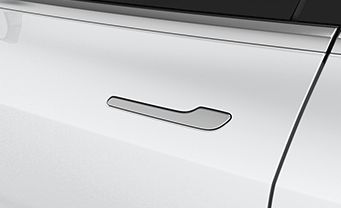
China will ban retractable door handles on new electric vehicles from January 1, 2027, citing safety concerns over electronic mechanisms that can trap occupants during crashes or power failures.
The country’s Ministry of Industry and Information Technology has released draft regulations requiring all vehicles under 3.5 tonnes to have both interior and exterior handles with mechanical emergency releases. The move targets the flush, electronically-operated handles popularised by Tesla and adopted by other premium electric vehicle manufacturers.
Chinese regulators argue that electric-only door mechanisms can become life-threatening during collisions when battery power is lost or wiring is damaged. While many electric vehicles include mechanical releases inside the cabin, owners often struggle to locate or operate them under pressure, and in some cases they fail to work entirely.
The regulations will significantly impact Tesla, which uses retractable handles that blend into the bodywork across all its models. At least 15 people have died in Tesla crashes in the United States where electric door releases failed to operate, according to reports. Documented cases include Model Y occupants who were forced to smash windows to escape after handles stopped working following power loss.
Other manufacturers affected by the new rules include BYD and Mercedes-Benz, both of which offer models with similar electronic door handle systems.
The safety concerns extend beyond China’s borders. A Rivian owner recently called for more obvious emergency exit handles after struggling to locate them during a power failure, highlighting broader industry issues with electronic door systems.
Global implications for EV design
China’s decision carries significant weight as the world’s largest electric vehicle market. Manufacturers wanting to maintain access to Chinese consumers will need to redesign their door handle systems to comply with the new safety standards.
The regulations could influence safety standards in other markets, including New Zealand, where Tesla and other affected brands are sold. As global automotive safety standards increasingly align, design changes mandated in major markets like China often become adopted worldwide.
Tesla’s minimalist design philosophy, which has long been a defining characteristic of the brand, may face scrutiny from regulators in other jurisdictions as they examine whether current electronic door handle designs meet emerging safety requirements.
The Chinese regulations represent a significant shift in how authorities view the balance between futuristic design elements and fundamental safety requirements in electric vehicles.


Join the conversation