
Chris Hipkins ‘practical’ PM
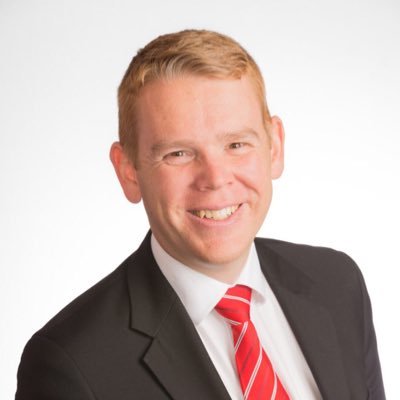
The automotive industry is waiting to see what incoming prime minister Chris Hipkins will do.
While it’s early days (Hipkins will officially become the 41st prime minister on Wednesday and has yet to announce his line-up and policies), Imported Motor Vehicle Industry Association(VIA) chief executive David Vinsen believes New Zealand will have a more “pragmatic” leader than Jacinda Ardern.
Vinsen says it’s too early to see what will happen with the Clean Car scheme under Hipkins, but he expects the new leader could take a “razor or axe” to some less popular policies and issues in the lead-up to the October 14 general election.
He thinks Hipkins is “practical” and likely to focus more on core issues such as the economy, cost of living, health, housing, crime and education while perhaps changing or dropping things like the Three Waters, government department amalgamations, and some aspects around climate change.
Hipkins has already said he’s focussed on bread-and-butter issues such as petrol and food prices, and inflation, adding that Grant Robertson will lead the economic planning.
Motor Industry Association (MIA) chief executive David Crawford doesn’t anticipate much change affecting the automotive industry if Michael Wood remains transport minister as expected under any Hipkins reshuffle.
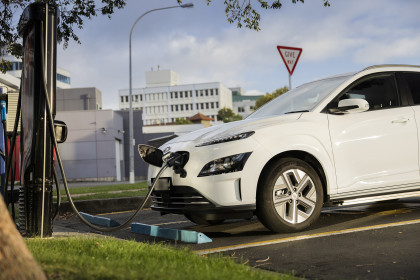
He says there may be some tinkering with emissions standards, especially with the Clean Car feebate scheme running short on using fees to supplement rebates for zero- and low-emission vehicles which are selling well.
Crawford thinks (lower) road speed changes might also be looked at and perhaps not encouraged with the road toll remaining high.
He says targets under the Clean Vehicles legislation, which have to be reviewed by June next year, will also need to be considered.
Transporting New Zealand chief executive Nick Leggett adds the elevation of Chris Hipkins to prime minister will give the Government a chance to reset prior to the election.
“Mr Hipkins has indicated that he may do things differently through his statements about non-priority spending being reconsidered to fight inflation, which is positive,” he says.
“We will be looking for recognition of the importance of road transport to our economy. Not least of which would be a greater commitment to funding the building and maintenance of roading infrastructure that the industry heavily funds and relies upon to operate safely and efficiently for the benefit of all Kiwis.”


Join the conversation