
Dacia’s new Spring: Europe’s cheapest EV grows up, and stays out of reach for NZ
Dacia's second-generation Spring moves to Renault's RG-EV platform and Slovenian production with 250km of range under 20,000 euros. It is unlikely to reach New Zealand, where the Dongfeng Box is the closest relative.
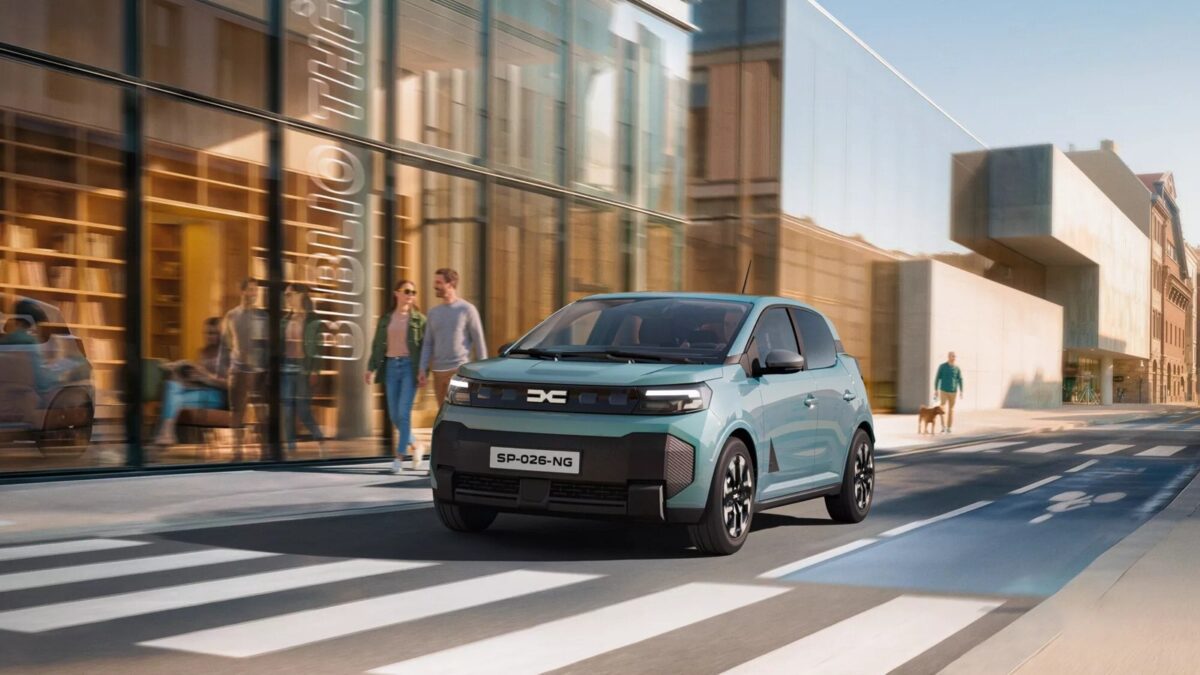
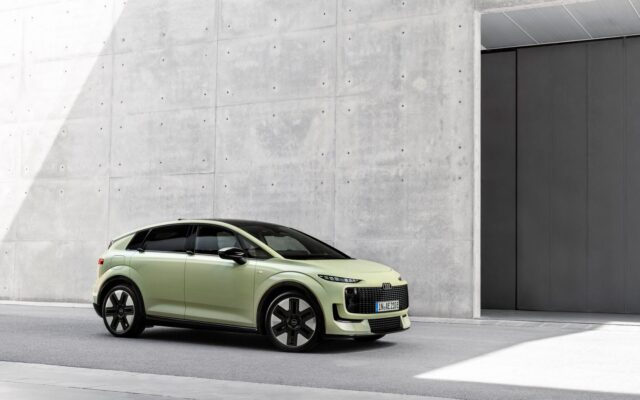
Dacia has revealed a second-generation Spring, keeping the name of Europe’s cheapest mainstream electric car and changing everything else: a Renault platform, a European factory, 18cm more width and a price the company says will stay under 20,000 euros.
The original Spring, launched in 2021, was a Chinese-built adaptation of the Renault City K-ZE, itself an electric version of the Kwid, and sold more than 210,000 units across 40 countries on the strength of a price that dipped to 11,900 euros in Germany this year. The new car moves to Renault Group’s RG-EV Small platform, the architecture beneath the Renault 5 and Twingo E-Tech, the Nissan Micra and the Nissan Wave spied last week, and is built alongside the Twingo at Novo Mesto in Slovenia, putting it inside Europe’s tariff walls.
Bigger, but still light
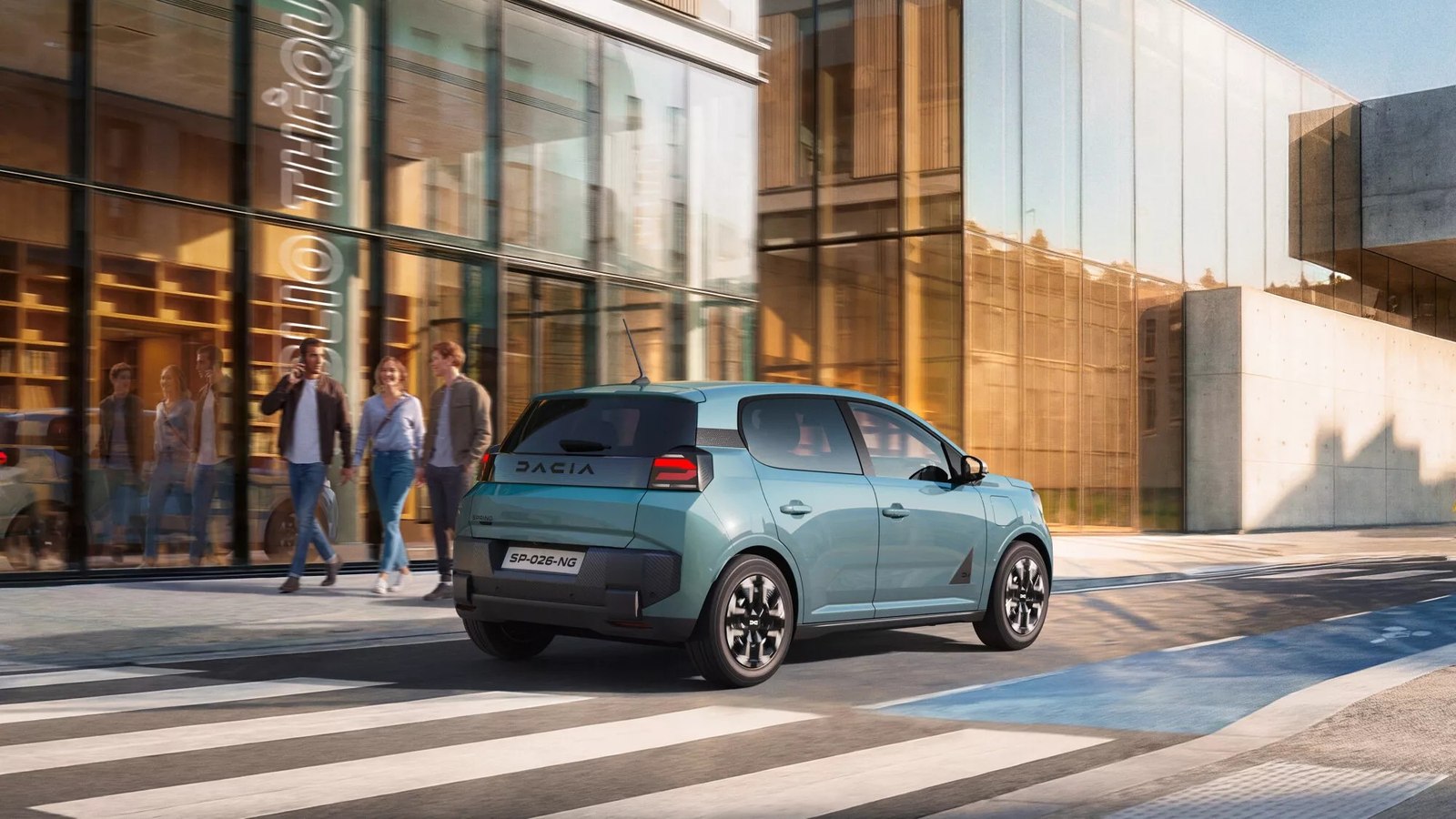
At 3,850mm long and 1,740mm wide, the new Spring is 150mm longer and 180mm wider than its predecessor, and 61mm longer than the Twingo it shares its bones with. Dacia claims one of the roomiest cabins in the A-segment, with four seats, a 337-litre boot growing to 1,283 litres with the 50/50 rear bench folded, and an optional 18-litre frunk for the charging cables. Kerb weight is 1,212kg.
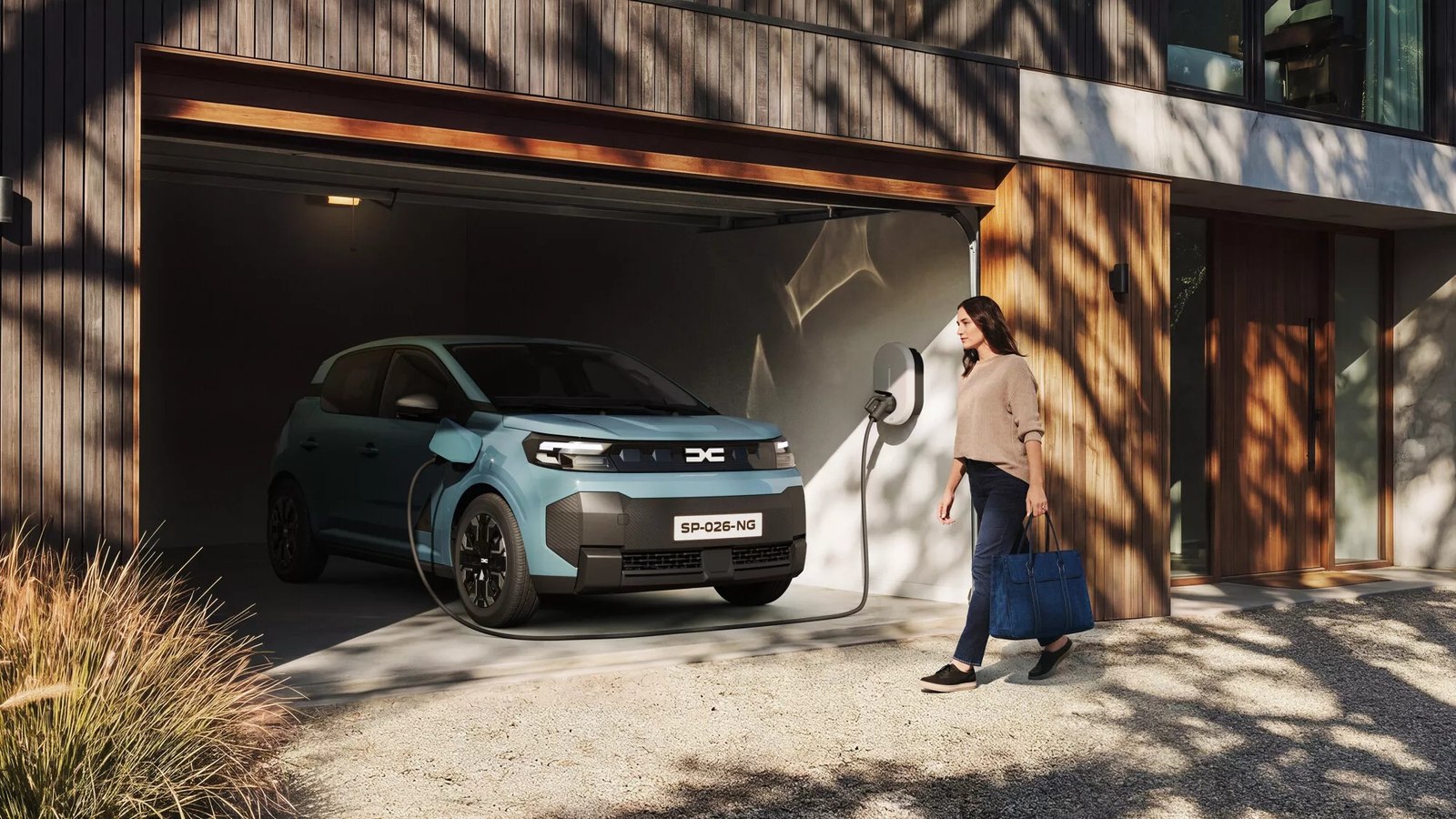
A single front motor produces 60kW and 175Nm, for 0-100km/h in 12.1 seconds and a 130km/h top speed. The 27.5kWh usable LFP battery is rated at up to 250km on the WLTP combined cycle, and Dacia’s argument for its size comes from connected-car data on the first-generation model: owners average 34km a day at 34km/h, and 75% charge at home, so one charge a week covers most users. A 6.6kW AC charger is standard, with an optional fast-charge pack adding 11kW AC and 50kW DC for a 15 to 80% charge in 28 minutes.
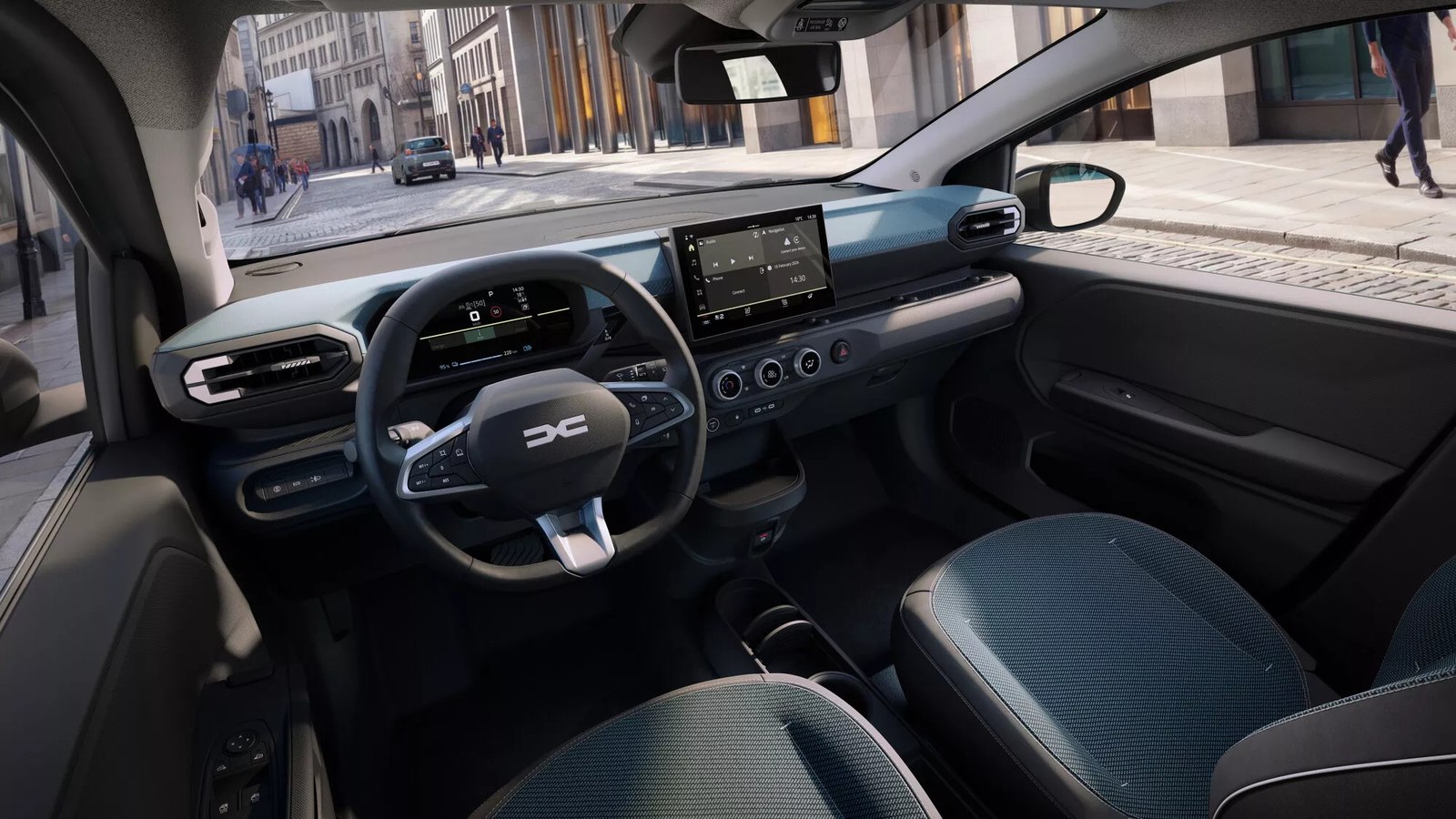
Two trims are offered. Expression runs 15-inch steel wheels, air conditioning, rear parking sensors, a 7-inch digital cluster and a smartphone cradle in place of a central screen, with Dacia’s Media Control app handling audio through the phone. Journey adds 16-inch wheels, a 10.1-inch touchscreen with wireless CarPlay and Android Auto, eight years of connected navigation, a reversing camera and a hands-free key card. All versions get Dacia’s My Safety button, which sets the driver’s chosen assistance settings with one press at start-up rather than menu by menu.
Dacia has committed to pricing the whole range below 20,000 euros before subsidies, and below £18,000 in the UK. Market launch is late 2026 with first deliveries in early 2027, and the outgoing Chinese-built Spring stays on sale alongside it for a transitional period as the cheaper option. The Spring is the first of four Dacia EVs due by 2030, with an electric Sandero next.
The New Zealand angle, such as it is
The Spring is unlikely to reach New Zealand. Dacia has never been sold here, and parent Renault’s local operation sells only vans, with no passenger cars in its range. The closest relative on New Zealand roads is a corporate cousin rather than a sibling: the first-generation Spring was built by Renault’s joint venture with Dongfeng in China, and Dongfeng’s own Box hatchback now fills the same sub-$30,000 slot here, registering 61 in August. The new Spring’s move to Europe severs even that link.
It lands in a fortnight thick with small, cheap EVs aimed at Europe and Japan first, from Suzuki’s e Sky to the Nissan Wave, with New Zealand’s own budget end left to the Chinese brands for now.


Join the conversation