
EECA seeks submissions on home EV charging
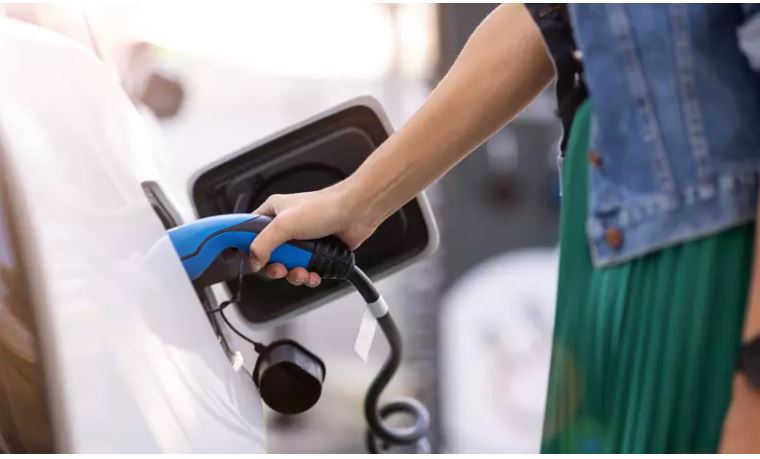
Public feedback on a new 25-page green paper – Improving the performance of electric vehicle chargers – is sought by the Energy Efficiency and Conservation Authority (EECA).
Submissions close on September 5, 2022, EECA saying it will provide advice to the energy and resources minister (Megan Woods) following the consultation period, and that a submissions summary and analysis will be sent to all submitters and posted on the EECA website.
EECA says it’s launching discussion on the need for new home EV charger technology to support growing EV uptake., the move indicated in the EVs and Beyond July magazine.
Widespread use of “smart” and energy-efficient EV chargers would significantly reduce peak demand issues, result in lower electricity bills for charging, and minimise line upgrades, EECA adds.

EECA explains that feedback received will help inform the conversation about the government’s role in encouraging the uptake of smart EV charging technologies to support the electricity system and New Zealand’s transition to a low emissions economy.
“The government wants to accelerate the decarbonisation of the transport sector, but as the number of electric vehicles in New Zealand grows, there is a need to ensure there’s enough capacity in the electricity system,” says EECA chief executive Andrew Caseley.
“EV chargers will use the most energy of any appliance in the household, making this important to get right at what is still a relatively early stage of EV adoption,” he explains.
“New Zealand’s electricity demand is expected to increase significantly, as the country phases out fossil fuels and increasingly moves to renewable electricity.
“The Climate Change Commission’s demonstration path expects total electricity consumption to increase 53% by 2050,” Caseley adds.
“Smart chargers can ensure peak demand doesn’t rise more than necessary, but we have only a small window in which to act.”
Caseley notes that while “smart” technology has great potential to improve energy outcomes, at the moment most EV owners use the basic cable supplied with their vehicle.
More than 52,000 EVs are in New Zealand – just over 1% of all light vehicles, but that number is expected to grow quickly with the rate of adoption increasing.
Most EV charging (82%) occurs within the residential home and this is not expected to change significantly.
Transport comprises about one-fifth of New Zealand’s total emissions and meeting New Zealand’s net carbon-zero targets will require both EV uptake and encouraging a shift away from reliance on cars, Caseley adds.
“New Zealand phasing out fossil fuels and moving to renewable energy will increase demand on the grid and distribution networks, and require new generation capacity,” he says.
“Smart technology means that consumers can shift load to off-peak periods, meaning less extra generation and grid and distribution networks need to be built resulting in decreased costs to the consumer and a more manageable transition.”
A smart charger will enable consumers, or their lines company, to monitor and manage their EV charging to avoid peak demand periods and take advantage of low off-peak prices while ensuring their EV is charged and ready to drive when required.
In addition, advances in vehicle-to-home (V2H) or vehicle-to-grid (V2G) technology would allow a car to power a house, if needed, or even feed power back into the grid.
The green paper canvasses a range of options for increasing the uptake of smart charging technologies, including regulation, incentives, and education campaigns.
“We’re seeking feedback from a wide range of stakeholders – from industry bodies to EV owners – to ensure we have a robust discussion to inform consideration of the government’s role in this area,” says Caseley.
“The Government’s Emissions Reduction Plan has bold goals to reduce greenhouse gas emissions from transport.
“Wide uptake of ‘smart’ charging technology alongside the growing electric fleet will benefit everyone, from EV owners to electricity distributors. We encourage anyone with an interest to submit their feedback.”
Submissions or any queries should be sent to STAR@eeca.govt.nz before September 5.

Join the conversation