
Electric cars better for NZ than solar – study
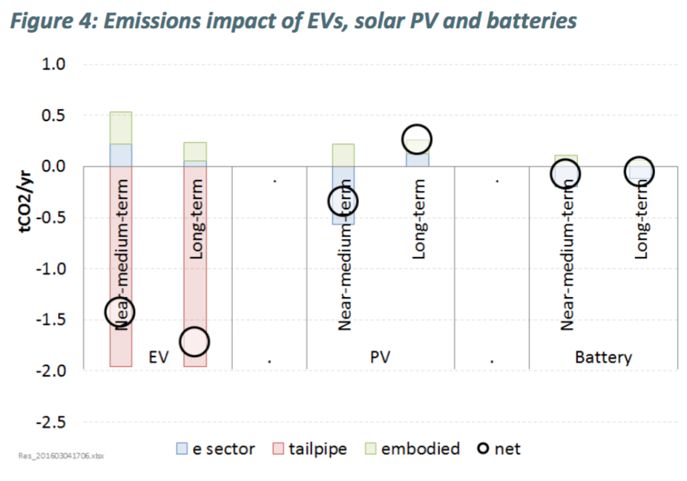
A new local study says electric vehicles will have more of an impact on reducing New Zealand’s carbon emissions than roof-top solar.
The study by Wellington-based energy industry consultants Concept looked at the effect on emissions if there is widespread uptake of solar panels, electric vehicles and battery technologies in New Zealand.
The report notes the effects in New Zealand are different to many other countries, because our electricity system is already based largely on renewable energy sources.
The uptake of new technologies also raises other questions – such as their cost-effectiveness for consumers and society, and whether uptake could have broader social effects. Concept is releasing two further reports covering these issues.
Concept says while EV demand may lead to higher electricity demand, this will come at virtually no emissions cost.
“In the long term, EV demand will increasingly be met by new power stations. We expect these to mainly be wind farms and geothermal power stations, due to their cost competitiveness,” the report says.
“These stations have low emissions. For this reason we expect EV uptake to only modestly increase electricity sector emissions in the medium and longer term, relative to a scenario without EV uptake.”
“In terms of recharging regimes, we expect ‘smart’ recharging to have lower emissions than ‘simple’ recharging. This is because smart recharging reduces the growth in electricity demand at times when fossil-fuelled power stations are most likely to operate.”
“In fact, smart-charged electric cars may slightly reduce electricity sector emissions under some conditions. This is because charging cars at off-peak times encourages a greater amount of low emission power stations to be brought forward, than would otherwise be the case.”
The report notes EVs are expected to provide net emissions savings based on current conditions, and these are expected to grow over time.
“We also expect EVs to produce net emission savings under both smart and simple charging regimes, although the savings will be greater for smart charging. These conclusions appear robust against a range of different scenarios relating to future fuel prices, CO2 prices and electricity demand growth.”
Despite the good intentions with which it is installed, the report believes solar energy will have little impact on emissions.
“As the power system moves to a more balanced position over time, we expect solar PV uptake to increasingly substitute for new low emission power stations (such as wind and geothermal) that would otherwise have been built to meet any growth in demand or retirement of old existing stations. For this reason, we expect solar PV uptake to have a limited displacement effect on electricity sector emissions in the medium term.”
This differs from most other countries energy systems.
“It is because most of New Zealand’s electricity is generated from renewable sources (hydro, wind and geothermal), and the fact that large-scale renewables also represent the least- cost option for future electricity supply in New Zealand – something that is not the case for most other countries.”
Looking out even further, we expect solar PV to modestly increase the need for fossil-fuelled generation, and therefore add to electricity sector emissions. This counter-intuitive result is because solar PV generates more power in summer than winter – the opposite of New Zealand’s power demand needs.”
“To fill a widening gap between winter power demand and supply associated with high PV uptake, New Zealand will need more power from controllable sources that operate for only part of the time. We expect this to be met mainly from operation of fossil-fuelled power stations, as existing hydro stations are limited in their ability to further increase the amount of water they store in summer to release in winter.”
It notes battery storage of solar power – such as the Tesla Power wall – alters this dynamic little, as our hydro system already acts as a battery.
You can read the full report HERE.
EVtalk will have more from Concept’s work in coming weeks.


Join the conversation