
Electric hydrofoil boat debuts in Auckland
Auckland is set to host the New Zealand debut of the Candela C-8, described as the world’s best-selling electric hydrofoil boat, as part of the Auckland Boat Show.
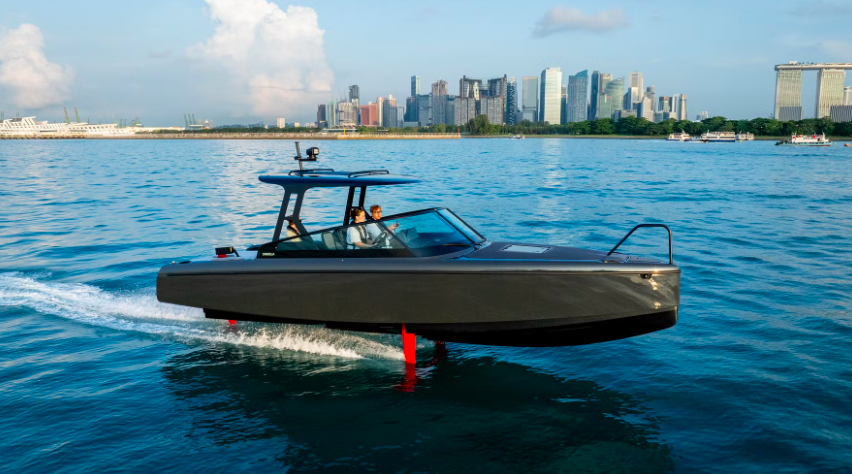
Auckland is set to host the New Zealand debut of the Candela C-8, described as the world’s best-selling electric hydrofoil boat, as part of the Auckland Boat Show.
The Swedish-designed vessel lifts above the water using hydrofoils, reducing energy consumption by 80% while maintaining high speeds. It has set multiple world records, including the first international crossing in an electric boat and the longest distance covered by an electric vessel in a single day—423 nautical miles.
Candela will also deliver its first electric hydrofoil ferry to New Zealand, the Candela P-12, which is already operating in Stockholm.
“It’s an experience like no other. It’s akin to a magic carpet ride—silent, smooth, and stable. You can have a normal conversation with passengers, and since the boat doesn’t roll or pitch, you won’t get seasick,” says Gustav Hasselskog, chief executive and founder of Candela, who is in Auckland for the launch.
Powered by the fully submerged Candela C-POD motor, the ferry operates without a mechanical transmission, eliminating the need for oil or cooling fluid. A digital flight controller system maintains flight height, pitch, and roll, ensuring a stable ride even in waves and wind.
As announced last year, New Zealand power company Meridian will take delivery of a Candela P-12.
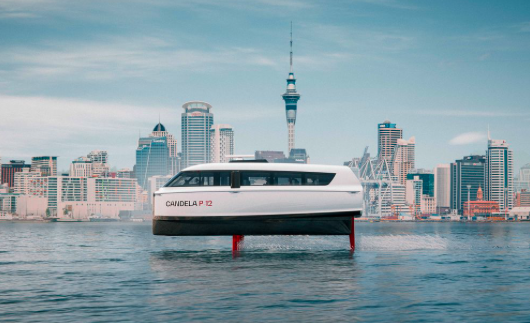
The 30-passenger P-12 has been a major success in Stockholm’s public transport system, cutting commute times in half with its 25-knot cruising speed. The vessel has received speed limit exemptions in city waterways because its hydrofoils eliminate wave damage. Every departure has been fully booked, and the ferry has achieved a 95% reduction in carbon emissions per passenger kilometre compared to conventional ferries.
With Auckland’s ferry network accounting for 20% of public transport emissions, electric foiling ferries could provide a cleaner and more efficient alternative. Traditional ferries consume up to 13 million litres of diesel per year, while speed restrictions due to wake generation slow down travel times.
“New Zealand is a trailblazer in foiling, especially with the America’s Cup, so we are thrilled to deliver the country’s first foiling electric ferry. We believe the P-12 has great potential for transport in Auckland, which is why we’re excited to showcase our technology here,” Hasselskog says.


Join the conversation