
Electric vehicle boost from fuel levy
The proposed fuel levy may accelerate demand for electric vehicles, industry experts say.
It could also boost charging infrastructure.
A new nationwide fuel tax proposed by the Government will see motorists pay up to 9 to 12 cents per litre more at the pump.
Auckland could face a double whammy with an additional regional fuel levy, potentially pushing up petrol prices by 20 cents there.
Additional fuel levies would act as a de facto subsidy for EVs – making them a more attractive financial proposition for car owners, Volvo NZ general manager Coby Duggan says.
“Kiwi motorists already contend with petrol prices which are among the highest in the OECD and, as the cost of fuel increases, the appeal of this alternative energy source broadens to include more and more drivers.
“We are already seeing a high uptake among passenger vehicles like taxis which spend a lot of time on the road, and where the ratio of running costs to capital outlay of the vehicle is much higher.
“A 20 cent per litre increase represents about a 10% increase in the fuel cost which means a driver that spends $130 per week in petrol currently would see this increase to $143 – around $7,436 per year.
“It’s estimated that an EV would cost around the equivalent of 30c per litre or about 13.5% of the running cost of an internal combustion engine (ICE) vehicle – when factoring in the proportional reduction as more fuel levies are added,” Duggan says.
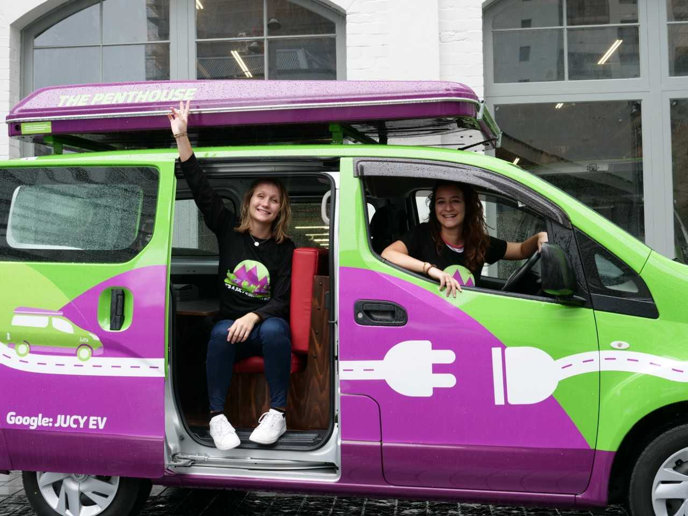
Jucy chief operating officer Dan Alpe says fuel price increases may make New Zealand less attractive for tourists travelling long distances in petrol or diesel campervans as this can represent a significant proportion of their daily budget.
“Overseas visitors who see the country by campervan could travel over 10,000km per trip,” he says.
Alpe says following a successful trial, the company expects to have a fleet of long-range, electric campervans on the road within 12-18 months.
“As the cost of fuel increases, we expect demand for our new EV fleet to rise – we are testing the latest battery technology to ensure these vehicles can travel the distances between charging points around the country.”
Jucy is also working with popular campgrounds to get more charging stations.
“As the cost of travel here decreases and becomes more environmentally friendly, New Zealand becomes a more attractive destination for visitors,” Alpe says.
Introducing any subsidies for new EV purchases similar to some overseas countries could also encourage EV uptake.
“In European markets which offer a range of EV ownership incentives such as tax deductions, free public parking, exemption from toll charges, access to bus lanes, exemption from ferry fees, and free charging on public charging points, as many as one in every two new vehicles purchased are electric,” Duggan says.
In New Zealand only 1-2% of new vehicles purchased is a hybrid or fully electric vehicle.
Join the conversation