
EV epoch spells change for motor mechanics
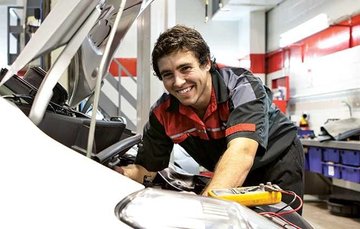 Electric vehicles (EVs) will mean no oil changes or spark plugs to replace, fewer parts to maintain and less wear on brakes and therefore less need for car servicing and repairs.
That could spell upheaval for New Zealand’s 15,000 motor mechanics even though Careers NZ is telling school leavers it’s a good career option and many in the industry aren’t anticipating big changes in the near future, according to Stuff.
But, in the short term EVs will require mechanics to have more skills, not less. Britain’s Motor Industry Institute warned only in January that unqualified technicians risked electrocution when tinkering with EVs.
Janet Lane, chief executive of New Zealand’s Motor Training Industry Association, says it has registered its interest in tapping into a $6 million annual EV fund announced by the government in May to develop its first EV-specific training for mechanics.
Mike Burvill, who served his apprenticeship with Renault in London and now works at Creswick Garage in the Wellington hill suburb of Northland, says such courses would be popular, though like many in the industry he isn’t expecting “massive changes straight away”.
Oxford University engineering professor Malcolm McCulloch told a packed EV symposium in Wellington last month that internal combustion engines would “not be around” in 10 to 15 years.
But Motor Trade Association (MTA) industry relationship manager Greig Epps argues that in New Zealand “you have got to be looking at 20 years before EVs are a force to be reckoned with”.
Part of his reasoning is that Kiwis hang on to their cars for a long time, with the average age of the fleet approaching 14 years.
Another factor is that – unlike many countries – the government offers few incentives for EVs, beyond a temporary break on road user charges.
Burvill’s colleague, fellow technician Graeme Cossar, agrees change could come slowly in some parts of New Zealand. “Can you imagine people around here having electric cars and having to plug them in? Up and down the hills is really hard on battery life and where do you plug it in when you have got 30 steps to your house?”
Nor will EVs necessarily mean nothing for mechanics to fix, Epps says, pointing out that cars have been packed out with entertainment and safety features over the past few decades that have nothing to do with their drive trains.
Given many motor mechanics are approaching retirement age, any reduction in jobs could just mitigate a pressing skills shortage in the industry, he suggests. “We are working on initiatives to see if we can bump up the number of technicians in training.”
EVs aren’t the only challenge facing the trade, however.
Mechanics are already having to invest more in skills and tools to diagnose faults and service different makes of conventional cars as more parts become computer-controlled, more complex and proprietary, Epps says. “Cars these days are very sensitive to having work done on them.
“You could replace a part on a vehicle using a generic part but the computer sensors are not going to recognise that part so it will start thinking there is something wrong with the car even though you have repaired it, and something else may go wrong.”
He forecasts such issues mean the days are numbered for independent garages that aim to service all makes and models, and that they will instead be forced to ally themselves to particular brands before “the second wave of change from EVs hits”.
A switch away from individual vehicle ownership towards shareable self-driving EVs could slash the country’s vehicle fleet, some argue to as few as 50,000 vehicles


Join the conversation