
EV RUC extension to March 31, 2024
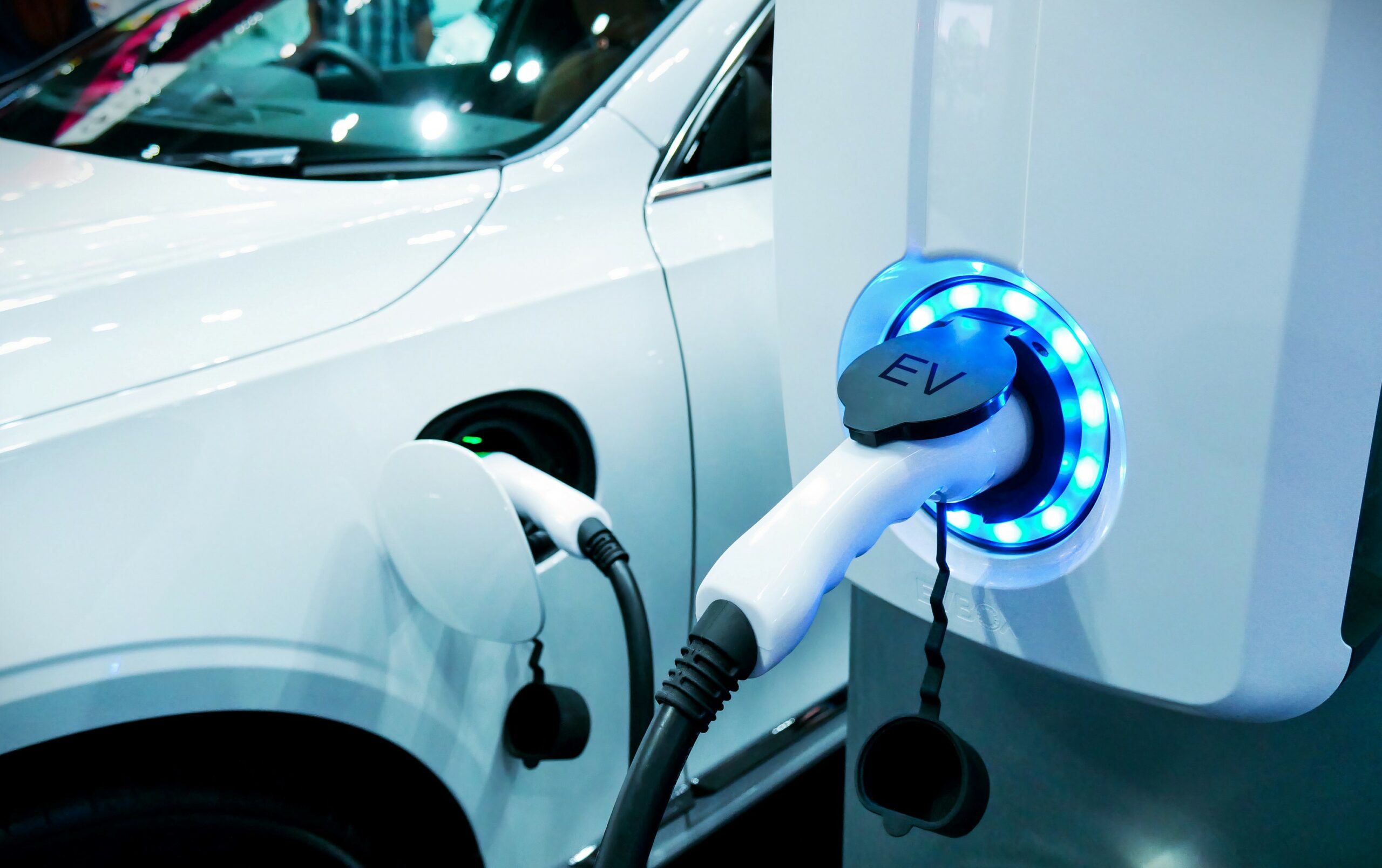
The EV road user charges (RUC) exemption due to end on December 31 this year has now been extended to March 31, 2024.
The RUC exemption will save EV owners around $800 annually and has been extended as part of a package of measures to encourage EV uptake to reduce emissions.
The Ministry of Transport recently completed amending legislation needed to extend the light EV exemption from RUC and says its assessment suggests that it will increase EV uptake by as much as 6% over what would have otherwise occurred by 2024.
The Cabinet Paper that made the legal change is now available online, along with the Cabinet Paper from July 2021 that agreed to the change, which contains more background information about the policy.
In New Zealand, EVs emit 80% less CO2 than equivalent petrol vehicles, because electricity generated here is more than 80% renewable. Overall, EVs emit 60% fewer climate-changing gasses over their life cycle, including manufacturing and shipping costs, than their traditional internal combustion engine (ICE) counterparts.
The RUC exemption is among a number of government’s initiatives to transition into a carbon-neutral economy by 2050, the ministry says.
The Clean Car Discount was introduced this year to reduce the up-front costs of electric and electric hybrid vehicles by as much as $8625. The rebate applies to new and used vehicles imported into New Zealand between July 1, 2021, and March 31, 2022.
The Land Transport (Clean Vehicles) Amendment Bill is set to be passed into law early next year.
The Government will also be releasing a discussion document in early 2022 on a large package of possible amendments to the RUC legislation.
This includes asking whether we should extend the end date for the existing heavy EV RUC exemption past 2025, and if hydrogen powered vehicles should also be exempted from RUC to encourage their uptake.
The discussion document will be available on the MoT website once it is released.
EVs offer several other benefits, the ministry says.
Charging an EV at home off-peak is like buying petrol at around 40c/litre. Battery EV motors also have fewer moving parts, so there is less to maintain or to go wrong.
EVs are easy to charge at home, and most will travel several hundreds of kilometres on one charge. An average EV in New Zealand travels about 30km a day. For longer trips, public chargers are at least every 75km on most of the state highways, with the network growing.
EVs sold in New Zealand must meet the same minimum vehicle safety standards as petrol and diesel vehicles. The safest vehicles have a maximum five-star Australasian New Car Assessment Program (ANCAP) rating and can be found at Rightcar NZ.
An EV’s high-voltage electric system is designed to automatically deactivate in a crash and are less likely to catch fire in a crash than petrol or diesel vehicles, the ministry explains.
“Plus, the weight of the battery packs gives EVs a lower centre of gravity, so they are less likely to roll.”
The light EV RUC exemption will have a small impact on total revenue, the ministry says.
RUC is a key source of revenue to the National Land Transport Fund (NLTF), paying for maintenance and improvements of the land transport system, including roads, public transport, walking and cycling infrastructure.
In the 2020/21 financial year, RUC contributed nearly $2 billion in revenue to the NLTF out of a total $4.3 billion.
In 2020, about $13 million of revenue was foregone from EVs, equivalent to a less than 0.4% reduction in NLTF revenue.
In 2023, the last full year of the exemption, the revenue foregone is expected to be between $30m and $50m, equivalent to between 0.7% to 1.1% of total revenue for the NLTF for that year.
There are nearly 35,000 electric and plug-in hybrid electric light vehicles (PHEVs) in New Zealand.
Monthly statistics, including regional breakdowns, are on the ministry’s website.

Join the conversation (2)
RUC Charge Exemption until March 2024 obviously a positive incentive.
Purchase rebates on cheaper EVs phased to zero for more costly EVs makes some sense, however total sense if it was a set rebate figure for all EVs to give greater incentive to more affordable EVs. A fixed rebate for all EVs including more costly EVs many of which lead newer technology hence efficiency is equitable. The current rebate system is a wealth tax without logic.
“Battery EV motors also have fewer moving parts, so there is less to maintain or to go wrong.” But when it goes wrong, the table gets turned over. These batteries have an average 10 year life cycle… what happens to the old battery packs or cars uneconomical to repair? Did they do the carbon calculation on these costs?