
EV slump continues even as overall market steadies in August
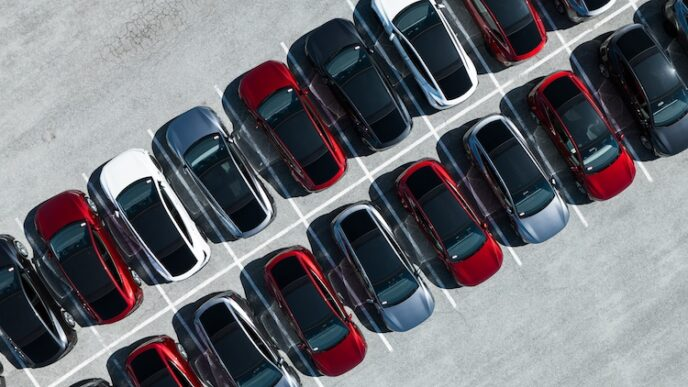
New-vehicle registrations rose again in August, but battery-electric and plug-in hybrid volumes fell for a second straight month — a trend industry leaders say risks progress toward emissions goals.
Total registrations reached 11,739, edging up from 11,671 in July and 17.5% higher than 9,986 a year earlier. The Motor Industry Association (MIA) says three consecutive months of gains suggest sentiment is turning.
“We saw a sharp increase in June – possibly off the back of the Investment Boost measure contained in the May budget – and numbers have remained steady through July and August, so that is an encouraging trend,” MIA chief executive Aimee Wiley says.
Electrified vehicles: BEV and PHEV retreat
- Battery electric (BEV): 385 registrations — down 39.7 per cent from 638 in July and 31.7 per cent below 564 in August 2024.
- Plug-in hybrid (PHEV): 408 — down 45.5 per cent month-on-month (from 749), though up 76.6 per cent year-on-year (from 231).
- Hybrids (HEV): 3,091 — off 10.0 per cent from July (3,434) but up 27.0 per cent year-on-year (2,434).
From the perspective of achieving CO2 targets, Wiley described the downtrend in BEV and PHEV uptake as “alarming”.
Segments and nameplates (context)
- Light passenger (incl. SUVs): 8,090 registrations (up from 7,635 in July; 19.6 per cent above 6,761 a year earlier). Top sellers were Toyota RAV4 (1,039), Ford Everest (413) and Mitsubishi ASX (397).
- Light commercial: 3,031 (down from 3,532 in July; 3,225 in August 2024). The Ford Ranger led with 978, ahead of Toyota Hilux (745) and Mitsubishi Triton (262).
- Heavy vehicles: 618, up from 504 in July, slightly below 649 a year ago.
The takeaway for the EV market
The overall market’s three-month stabilisation has not translated into higher pure-electric volumes. BEV registrations are now roughly 40 per cent below July levels and nearly one-third under August last year, while PHEVs also eased sharply from July despite a stronger year-on-year result. Hybrids continued to provide the most resilient electrified demand.

Join the conversation