
EVs contribute to biggest new vehicle CO2 emissions drop in 16 years
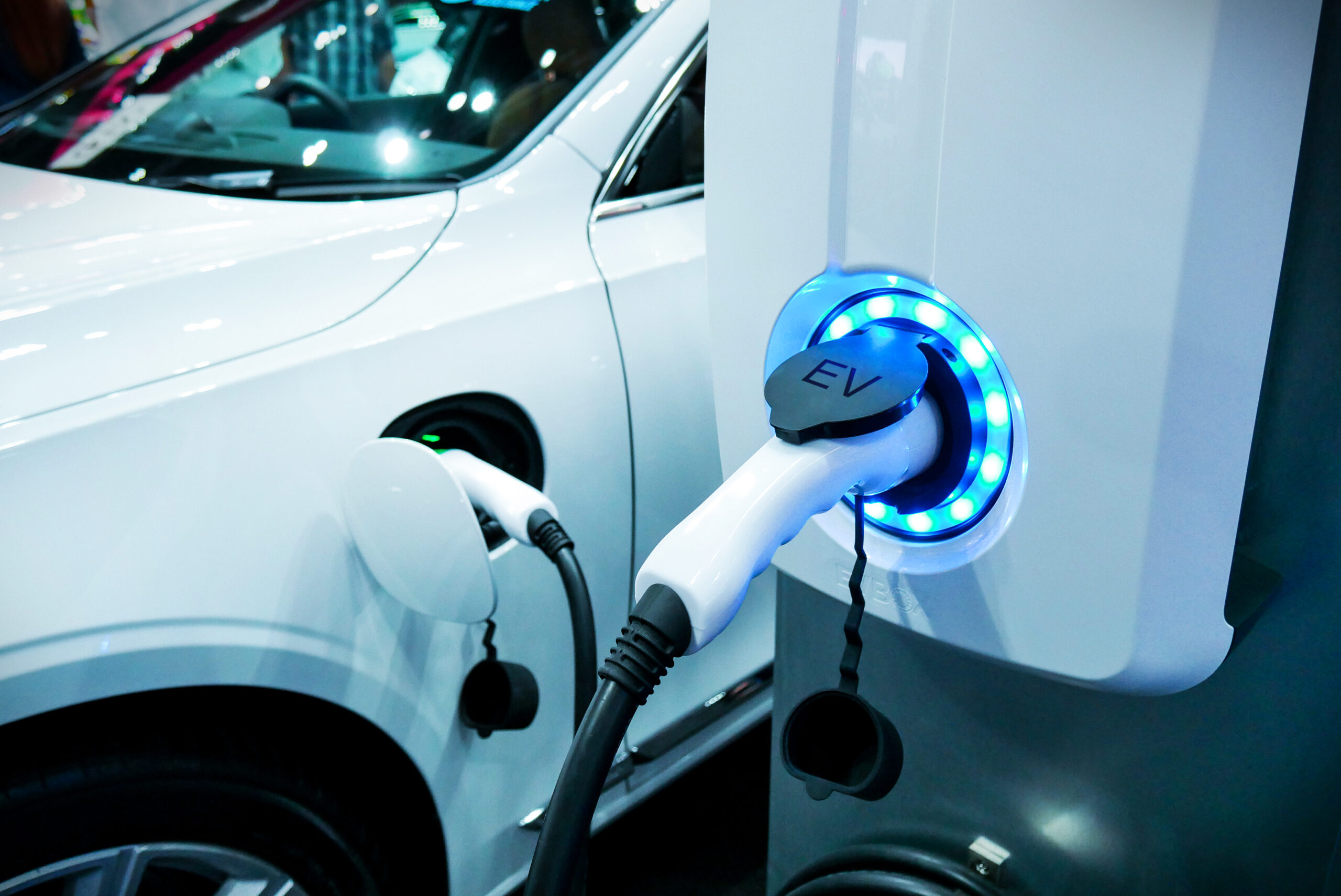
Electrification has contributed to the largest drop in new vehicle emissions since 2006, but that won’t avoid future government penalties and price increases, the Motor Industry Association of New Zealand (MIA) says.
It explains that 25,194 new vehicles powered by some electrification form were sold in New Zealand last year – a 94% increase on the previous year when 12,997 were sold.
This increase reduced average greenhouse gas emissions from new vehicles sold last year by 4.7% compared to 2020 – the largest annual reduction recorded by the MIA since it started collecting data in 2006.
Battery electric vehicle (BEV) sales reportedly jumped 344% from 2020 to 2021, plug-in hybrid (PHEV) sales rose 228% and hybrids increased 59%.
“New Zealand distributors are working closely with their parent companies to transition as fast as we can to a more fuel-efficient fleet. However, the transition is nowhere fast enough to avoid the Government’s looming clean car standard penalties from 2023 onwards,” MIA chief executive David Crawford says.
He says while the accelerating rate in the reduction of greenhouse gas emissions from the new vehicle fleet is pleasing, it signals to the Government the severity of the targets and resulting penalties contained in the Land Transport (Clean Vehicles) Amendment Bill.
“For our sector to reach the proposed 2025 target, we needed to have reduced our average emissions by 10% in 2021, not 4.7%.”
He says New Zealand is already falling behind the rate needed to reach the Government’s targets despite the massive 94% increase on the sales of new low emission vehicles in 2021.
“Failing to meet the targets means prices for vehicles will increase to offset the penalties faced by new vehicle importers,” Crawford says.
With the Land Transport (Clean Vehicles) Amendment Bill coming back to the House for its second and third readings, the MIA urges the minister to review the targets so they remain challenging but not crippling.


Join the conversation