
EVs help mitigate climate change impacts
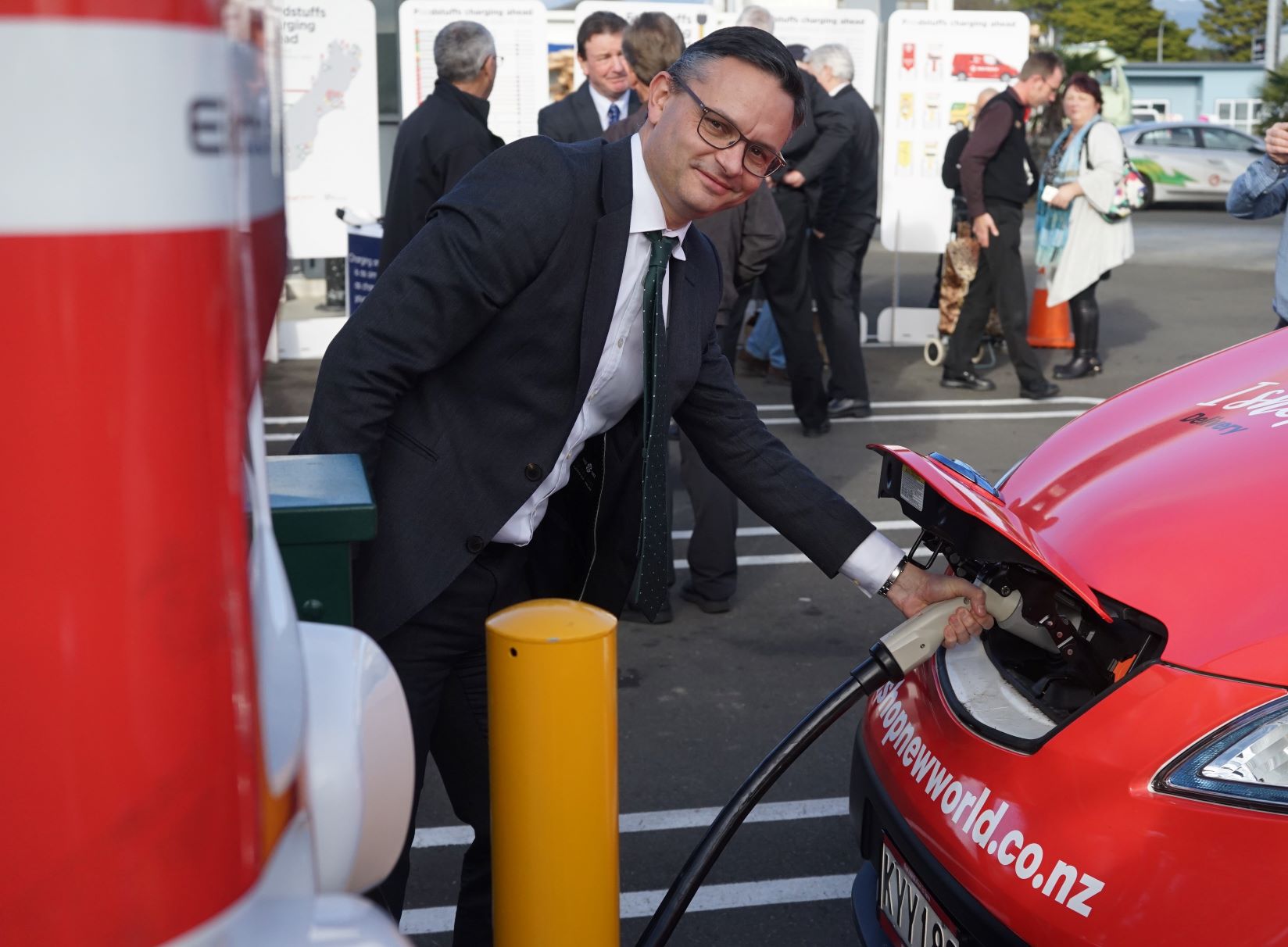
Government polices such as the Clean Car Discount are proving their worth and making it easier to switch to low-emission vehicles to help avoid climate change impacts.
So says climate change minister James Shaw, commenting on an IAG-Ipsos Climate Change poll backed by NZI, State and AMI Insurance which shows 91% of respondents expecting to see more frequent and extreme flooding events.
“In so many areas taking action on climate change comes with the happy coincidence of making our lives better – the job of Government is to give people the options to do that,” Shaw adds.
He says the survey illustrates the urgency and importance of a comprehensive response to the climate crisis.
“Creating a climate friendly future for Aotearoa is a priority for this Government. We can still limit the severity of climate change by doing everything we can to limit warming. That means cutting climate pollution in every part of the economy, which is the job of the Emissions Reduction Plan.
“The National Adaption Plan will give communities the guidance they need to prepare.”
The nationwide survey, now in its fifth year, reveals 78% of New Zealanders agree that climate change is an important issue for them personally with just 34% believing the current response is adequate.
“The 2022 results confirm a trend that we’ve seen building over the past five years. New Zealanders are concerned about the impacts of climate change, they want a clear direction, and they want action,” says NZI, State and AMI chief executive Amanda Whiting.
She says while the trio are committed to keeping New Zealanders insured, it’s clear that insurance alone is not the answer.
“As a country we need to reduce the risks to properties and lives resulting from climate change,” Whiting says, adding that means working with central and local government to help ensure there is greater investment in flood prevention measures and other solutions that either protect people or move them out of harm’s way.
“Over the past three years we have consistently seen around 75% of people say that they want central and local government to invest in building infrastructure that reduces the impact of climate change.
“And, over the past four years we have seen a 10% growth in the number of New Zealanders who want local councils to zone land to reduce and avoid the impact of climate change (now 74%) and consent developments that do the same (now 69%).”
The survey results show that not only do Kiwis believe the national response is either not appropriate or fast enough, but fewer are taking individual action to combat the effects of climate change.
In the past year, the number of people prepared to act to reduce the impacts of climate change on themselves personally reduced from 69% to 64%. This mirrors a steady decline in the number of people already taking steps to reduce climate impacts, dropping 9% over the past two years to only 50%, Whiting points out.
“The poll shows that only 49% of people know what they need to do to help reduce the impacts of climate change. That question reached a peak of 58% in 2020 but has continued to drop since then.
“While more action has been taken on climate, like the Emissions Reduction Plan and the National Adaptation Plan, there still seems to be a high level of uncertainty around the role individuals need to play and how they will be personally impacted.”
In April this year, the Wild Weather Tracker which reports on insurance claims data related to wild weather events was launched.
“We hope that by regularly sharing this type of information, people will be better able to prepare and protect themselves from the damaging impacts of wild weather events,” says Whiting.


Join the conversation