
Expert forecasts decade of change for US dealerships
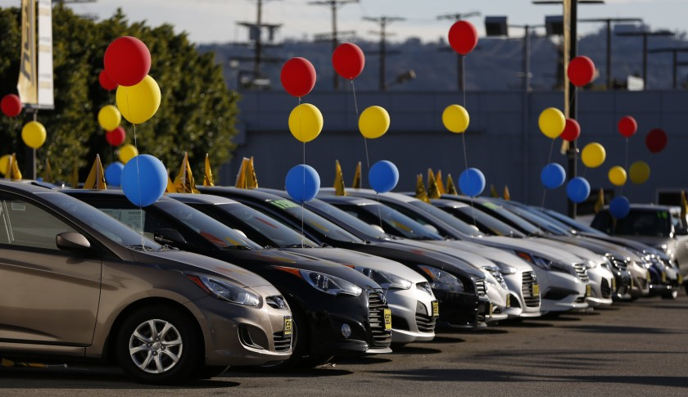
The typical US car dealership will see evolution, but not revolution, over the next 10 years, says a consultant hired by the National Automobile Dealers Association to study the future of dealerships.
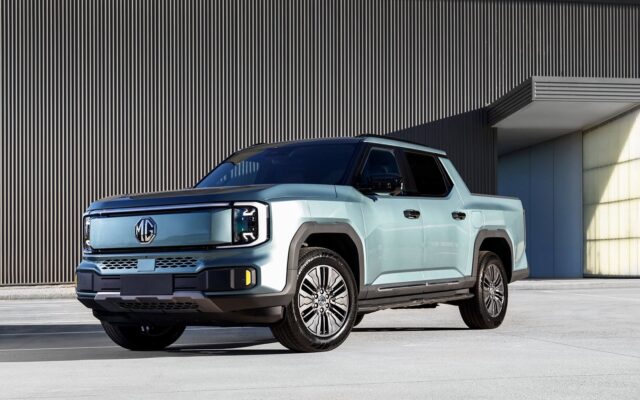
Consultant Glenn Mercer notes that electric vehicle (EV) sales will grow by 2025 but remain less than 5% of the market.
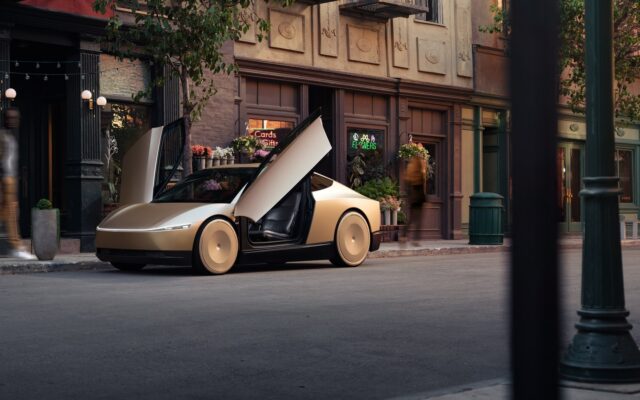
He believes it is crucial for dealers to embrace the EV market. By 2025, all vehicles will have high levels of assisted-driving features though perhaps just 10% will be capable of total autonomous driving.
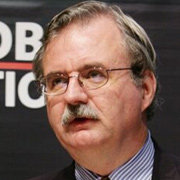
Mercer says a change is coming to dealerships, but not a disruptive overthrow of the business model.
According to the article in Automotive News, the goal of the research was to look at the state of auto retailing in 2025.
“NADA commissioned the study in March as a way to stimulate long-term thinking and planning among dealers,” says Mercer, a former McKinsey & Co. partner who previously studied automaker facility programs for NADA.
Key conclusions reached by Mercer:
- The dealership model will remain dominant, with direct-sales efforts focused on high-end vehicles. Dealerships will become more alike with dealers adopting prescribed features of factory stores.
- The number of US dealerships will shrink slightly to around 16,500 stores in 2025, down from just under 18,000 today.
- Steady but slow consolidation of store ownership will continue. Mercer forecasts a pool of 6500 owners by 2025, down from 8000 today. Private ownership will continue to dominate.
- US light-vehicle sales will be in the range of 17 million-18 million vehicles, similar to today’s level. But the mix will shift to more-expensive vehicles and higher-income customers
- Vehicle profit margins will be lower, but asset returns such as return on equity may be more stable. The gap between strong and weak stores will widen, Mercer predicts.
- Purely online sales will become common but not dominant.
- Satellite service outlets run by dealers will multiply.
He highlights the single biggest risk to the dealership system is the potential link between autonomous vehicles and mobility services.
“Our own estimate is that this is relatively unlikely to happen, but, if it did happen, it would be cataclysmic and has to be flagged,” he says.
“If mobility services converge with autonomous vehicles, such as what Uber is testing in Pittsburgh today, and, in so doing, succeeds at breaking the age-old bond of ownership between Americans and their cars and trucks, that would change things dramatically.”
Join the conversation