
Fast-track approval granted for NZ’s largest wind farm
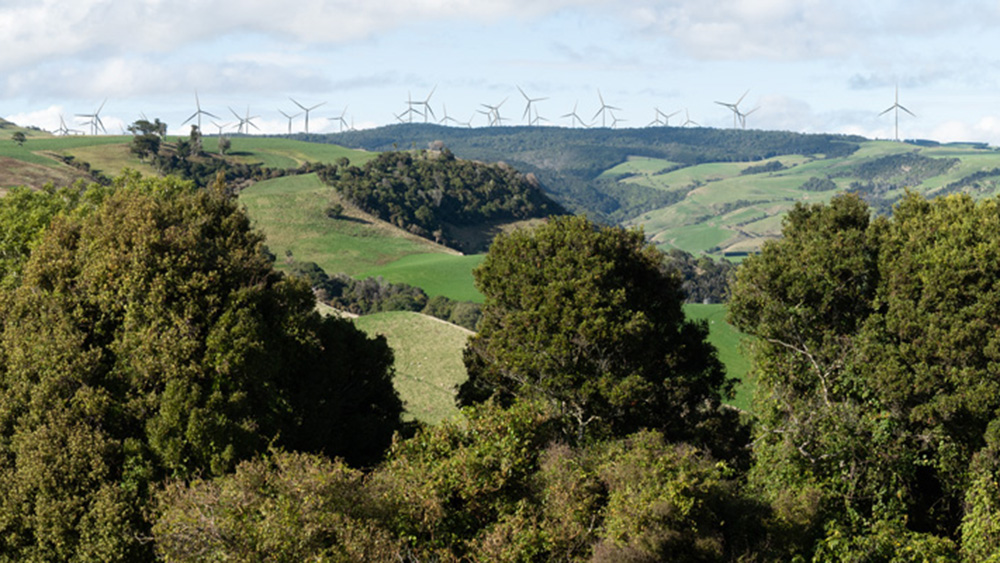
Fast-track approval has been granted for what the Government says will be New Zealand’s largest wind farm, with Contact Energy set to develop the Southland Wind Farm.
Contact Energy lodged a substantive application for the project in August 2025. The proposed wind farm will span 58 square kilometres of privately owned land in eastern Southland, about 30km southeast of Gore.
Infrastructure Minister Chris Bishop says approval took about five months following the commencement of an expert panel.
“This project, with national benefits, will significantly increase the amount of power supplied to the national grid,” Bishop says.
“The wind farm will generate up to 380 megawatts (MW) and provide power for up to 150,000 households and includes 55 wind turbines, each up to approximately 7MW in capacity.
“In addition to the turbines, a wind farm substation, and access roads, the project’s second major component involved grid connection work – including constructing the transmission lines needed to connect the wind farm to the Transpower National Grid,” he says.
Regional Development Minister Shane Jones says the project is expected to inject $13.5 million into the local economy and create up to 300 jobs during construction. Once commissioned, it would employ about 10 to 14 full-time equivalent staff.
“The real significance of this infrastructure lies in the ability to unlock further investment and attract new industry to the region,” Jones says.
“The Fast Track process is about cutting through unnecessary delays to unlock the projects that matter. It gives regions the certainty and momentum they need to create jobs and drive long-term economic growth.”
Energy Minister Simon Watts says the project will make a significant contribution to the country’s energy supply.
“As New Zealand’s biggest windfarm to date, the Southland project will play an important part in achieving this Government’s vision of reliable, affordable and abundant energy supply for New Zealanders,” Watts says.
“More generation in the system will help keep downward pressure on prices and shore up security of supply.”
Bishop says the project had previously been declined resource consent in an earlier form after a lengthy process, largely due to concerns about landscape and visual effects.
“That is exactly the kind of outcome New Zealanders have been frustrated with, where projects of clear national benefit get tied up or turned down after long, uncertain processes,” he says.
“Fast-track is changing that by providing a more balanced, timely, and effects-based pathway to get critical infrastructure like renewable energy projects built.”
The Government says 15 projects have now been approved by expert panels under the fast-track process, with 22 panels appointed and 43 projects currently progressing.
*Click here for more information.



Join the conversation