
Ford ships first US-made LFP cells for Fathom electric ute
Ford has shipped the first LFP battery cells from its Michigan plant to Kentucky, where they will power prototypes of the Fathom electric ute.
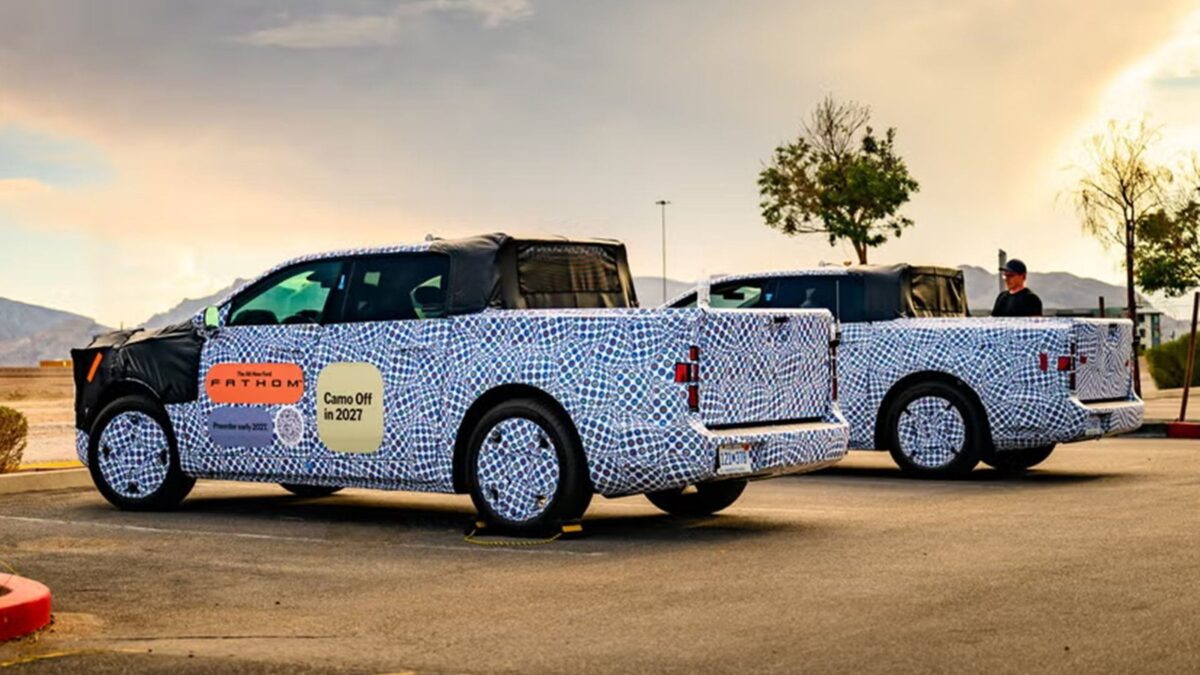
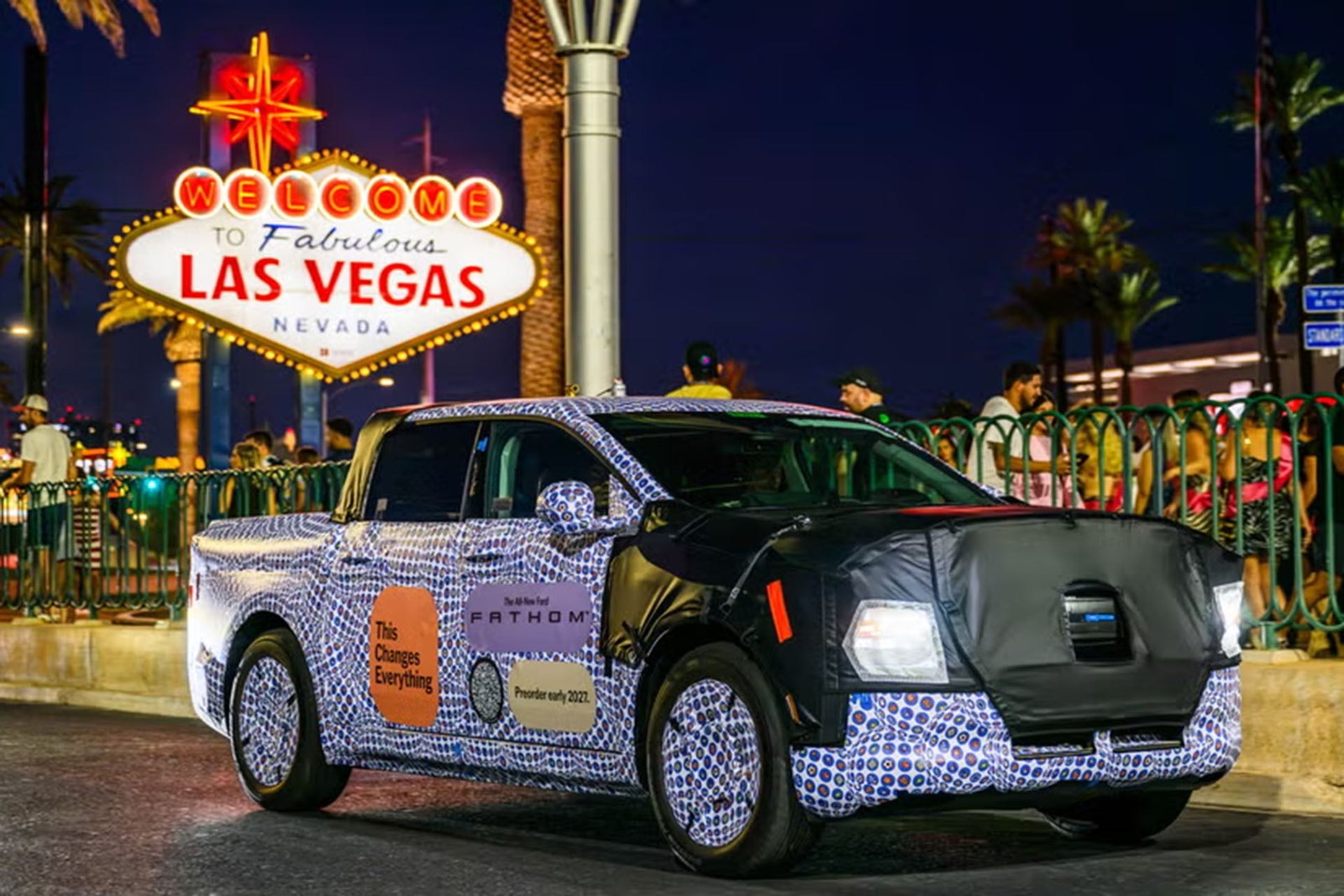
Ford has shipped the first battery cells from its new Michigan plant, sending them to Kentucky to power prototypes of the Fathom electric ute.
The lithium iron phosphate (LFP) cells are made at BlueOval Battery Park Michigan, in Marshall, and are going to Ford’s Louisville Assembly Plant, where the Fathom will be built. Ford says the plant’s lines can turn out 40 cells a minute, which it claims is among the fastest rates for prismatic LFP cells outside China, and that it uses AI image recognition to spot defects as cells are made.
The Fathom is the first vehicle on Ford’s Universal Electric Vehicle platform. Ford has said it will start below US$30,000, with the launch due in the fourth quarter of 2027. Battery size and range have not been announced.
CATL technology
The plant is owned by Ford but uses cell technology and manufacturing know-how licensed from Chinese battery maker CATL. That arrangement has drawn criticism in Washington. In September, US Transportation Secretary Sean Duffy wrote to Ford chief executive Jim Farley saying his agency was “deeply alarmed” by it, which Ford called a “wrongheaded attempt to capture headlines”.
Alan Clarke, Ford’s vice president of advanced development projects, told US media that working with CATL was the fastest way to build affordable EVs in the United States, Reuters reports. He described CATL as “the best supplier to get us that technology”.
LFP cells use no nickel or cobalt, which makes them cheaper than nickel-based cells, and they generally last longer. Ford says the prismatic cells are packaged directly into the Fathom’s structure to cut cost.
Ford Energy
Ford says what it learns from making cells in Michigan will also feed Ford Energy, the stationary battery storage business it is setting up in Kentucky. It plans to have battery pack assembly running in Michigan in 2027.
Ford New Zealand has said it is open to taking the Fathom, but it has not been confirmed for this market.

Join the conversation