
Germany: All new cars zero-emissions by 2030
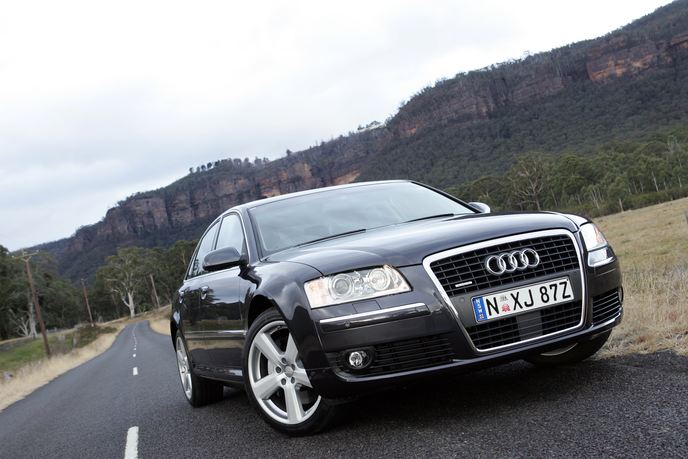
Every new car sold in Germany must be a zero-emission EV by 2030 for the country to meet its tough emissions goal, says a senior government official.
Deputy economy minister Rainer Baake says that the target of reducing Germany’s carbon dioxide output by 80 to 95% by 2050 means extreme measures must be taken.
With an average vehicle life of 20 years, registrations of petrol and diesel cars must drop quickly over the next 15 years.
“Fact is there’s been no reduction at all in CO2 emissions by transport since 1990,” said Baake at a Berlin climate forum.
“We don’t have any answers to cut truck emissions right now but we do have answers for cars.”
Germany is committed to reducing emissions by 2020 compared with levels in 1990, but electric vehicle sales have been slow.
While 130,000 hybrids and 25,000 pure electric cars were registered in Germany as of January, according to its KBA vehicle registry. That compares with 30 million petrol-powered cars and 14.5 million diesels.
Forecasts from the Centre of Automotive Management say pure EVs may reach 8% by 2025, although the current rate is 0.6%.
Transport is responsible for 20% of the country’s carbon dioxide emissions, and its needs to cut at least 10 million tonnes over the next five years. It currently outputs 165 million tonnes.


Join the conversation