
Govt seeks feedback on second emissions reduction plan
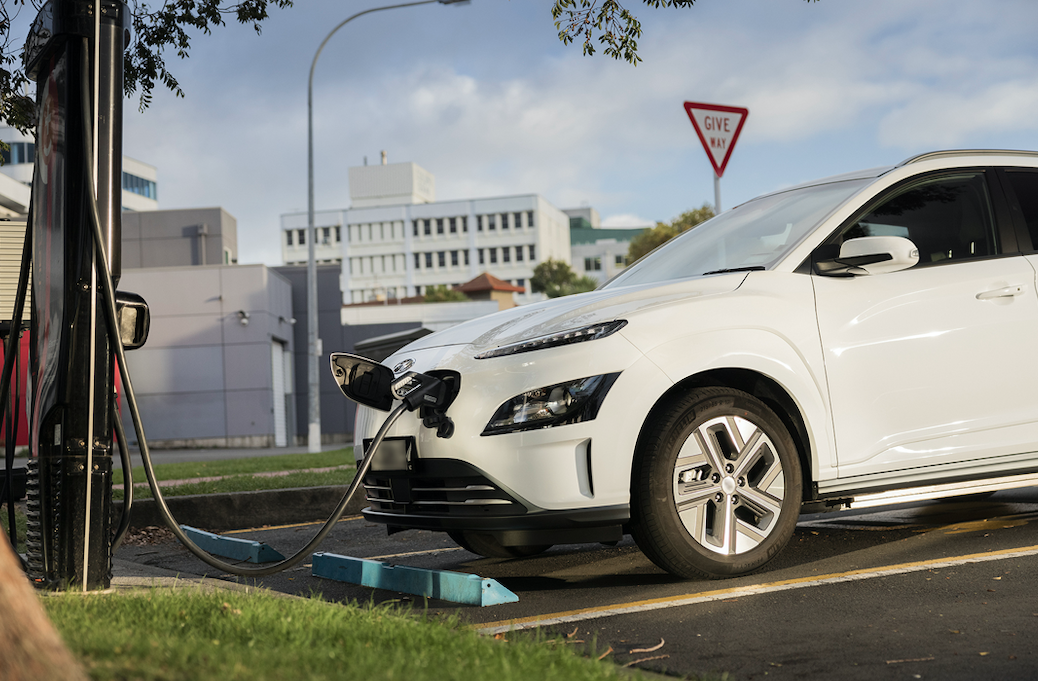
The Government has opened consultation on the second emissions reduction plan (ERP2) covering the period from 2026 to 2030 with transport among five key sectors targeted including plans for 10,000 EV chargers by 2030.
It follows the release of the Government’s five-point climate strategy last week. The draft plan outlines policy proposals across the energy, transport, agriculture, forestry and waste sectors.
Climate Change Minister Simon Watts says public engagement is now needed to shape the plan. “This is an important step in our journey towards a sustainable future. We need everyone’s input to ensure we have a comprehensive plan that meets our climate goals.”
Key proposals for the transport sector include:
- Targeting 10,000 electric vehicle chargers by 2030
- Reviewing regulatory barriers to zero-emissions heavy vehicle uptake
- Supporting the decarbonisation of the aviation sector through Sustainable Aviation Aotearoa
- Working with other countries on sustainable aviation fuels and low- and zero-carbon shipping on key trade routes by 2035
- Encouraging private investment in EV charging infrastructure, subject to a cost-benefit analysis, and expanding public transport options
Watts says the Government’s draft Emissions Reduction Plan shows it is possible to stay within the limits of the first two emissions budgets while growing the economy. “This draft Emissions Reduction Plan shows that with effective climate change policies we can both grow the economy and deliver our climate change commitments. Our plan focuses on transitioning to a low-emission economy by leveraging the abundance of opportunities New Zealand has,” he says.
Reducing net emissions is one of the nine Government targets for achieving better results from the public service.
“This is the first opportunity to consult with New Zealanders on our plan to get the country on track for net zero emissions by 2050. Earlier this month, the Government released our climate strategy. The Emissions Reduction Plan centres around the five core pillars of that strategy.”
In addition to transport, the plan also includes:
- Doubling renewable energy by reducing the consenting burden through Electrify NZ
- Lowering agricultural emissions by providing farmers with the tools to reduce emissions
- Investing in resource recovery through the Waste Minimisation Fund
- Investigating carbon capture, utilisation, and storage (CCUS)
The consultation also covers how the Government intends to strengthen the NZ Emission Trading Scheme to support achieving climate change targets and other complementary policies. “Changes made to actions or activities in the first Emissions Reduction Plan are also covered by the consultation. Projections show that we remain on track to meeting the first Emissions Budget; however, we want to seek public feedback on the impact of the change in approach,” Watts says
The second emissions reduction plan will be published at the end of 2024 and aims to keep the emissions budget on track to reach the 2050 net zero target. The final plan for the period 2026-2030 will be finalised by the end of this year after considering public feedback and advice from the Climate Change Commission.
Submissions can be made online through the Ministry for the Environment’s website, and a series of public meetings will be held across the country to discuss the proposals. The consultation period closes on August 21.



Join the conversation