
Greenhouse gas tracker developed for Christchurch
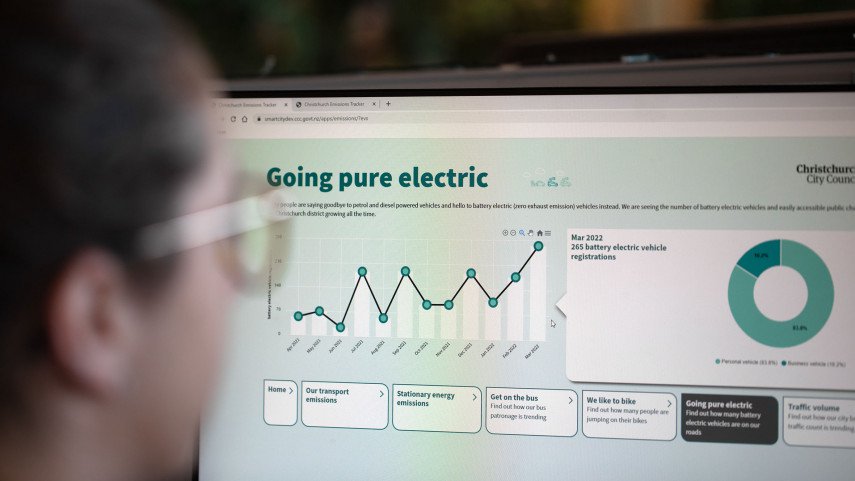
A ‘Greenhouse Gas Emission Tracker’ tool created by the Christchurch City Council allows people to see how the district is tracking across different emission sources, as well as displaying general transport trends, including EVs.
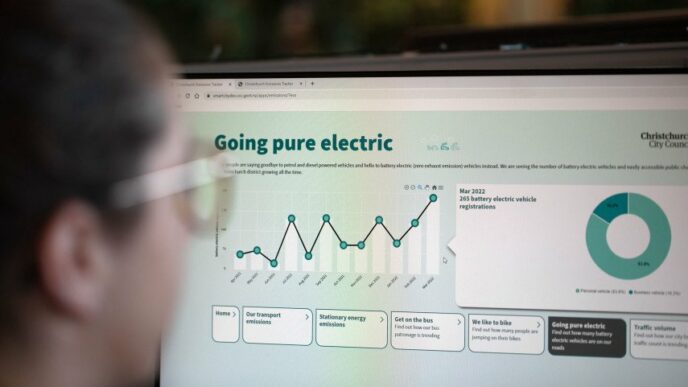
The tracker displays transportation modes, including fossil-fuelled vehicles, cycling, bus patronage, and battery electric vehicle (BEV) numbers.
It also shows stationary energy use from electricity, diesel and petrol, including emissions from gas, coal and geothermal energy use to generate electricity. Plus the tracker has estimated greenhouse gas emissions from plant use such as diesel and petrol use in generators and from diesel boilers.
Data is fed-in from different emission sources and the tracker displays the monthly trends for users, Christchurch City Council’s Newsline reports.
The council has set a district-wide target to halve Christchurch’s greenhouse gas emissions by 2030 (from its 2016/2017 financial year baseline) and achieve net zero greenhouse gas emissions by 2045.
“Transport is estimated to account for about 54% of our district’s total greenhouse gas emissions, with 36% of our total emissions coming from on-road and off-road petrol and diesel use,” says council resource efficiency manager Kevin Crutchley.
“Therefore reducing emissions from on-road transportation is one of the key targets for the district.’’
Crutchley says the tracker was developed as a tool for people to get a better sense of the Christchurch district’s key sources of greenhouse gas emissions.
“Meeting our 2030 greenhouse gas emission reduction target is essential for our district to make a fair contribution to global emission reduction,” he explains.
“It’s important people have an understanding of where our emissions are coming from, so we can all consider the changes we can be making to reduce them.”
Click here for more information.



Join the conversation