
Hydrogen cost impedes widespread use – study
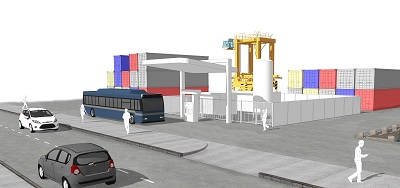
The cost of hydrogen power remains the biggest hurdle for its widespread use, a report by Concept Consulting director Simon Coates says.
The study says hydrogen fuel for vehicles and businesses is unlikely in the foreseeable future and that converting it to electricity or gas to power a hydrogen truck fleet would take at least three times more energy than using batteries or electricity.
But hydrogen research company Hiringa Energy chief executive Andrew Clennett is disappointed with the report and hopes it won’t influence Government policy, Stuff reports.
Clennett says it’s overly negative and fails to consider the wider picture – that hydrogen energy will help enable development of clean energy technology.
Hiringa is working with hydrogen vehicle importers and fabricators and expects to have a trial starting in 2020.
China is making progress on reducing hydrogen fuel cell costs, Clennett says.

Andrew Clennett.
Both Clennett and Coates agree electric powered heavy trucks are unlikely to be cost effective because of long battery charging times, and the weight and size of batteries at the expense of freight.
The report also considers environmental benefits, which depend on how hydrogen is produced – US-owned Taranaki-based Pouakai NZ is researching using natural gas to produce hydrogen, and storing the greenhouse gases released as part of the process.
Other “green” technologies like wind or hydro-electric power to produce hydrogen were neither cost effective or reliable, the report says.
Hydrogen may have potential to decarbonise some on-site freight transport, but generally it will be cheaper to use electricity or natural gas directly rather than convert it, the report says.
“Hydrogen technology is continuing to evolve rapidly and may have a role as part of a range of options in decarbonising New Zealand’s economy in the long-term.
“The current lack of refuelling infrastructure is going to be a major impediment to the uptake of heavy electric vehicles or hydrogen vehicles.”
The report suggests hydrogen might be suitable for some niche applications, such as 24-hour on-site freight-loading operations, and meeting energy demand for remote off-grid locations.
But it says it’s unlikely hydrogen fuelling and high-power battery charging infrastructure will be at a scale needed to switch the country’s heavy transport fleet.
The report states reducing hydrogen production costs during periods of low electricity prices may be possible, but this means more renewable power stations have to be built.
The report was jointly funded by Contact Energy, the Energy Efficiency Conservation Authority, First Gas, Meridian Energy, the Ministry of Business Innovation and Employment, and Powerco.

Join the conversation (1)
At last some sanity on the “Hydrogen” front. The fossil fuel industry is behind many of the proposals, as they expect to sell their product as a feedstock. That’s completely unrealistic, expecting the resulting CO2 produced to be “safely stored” by someone else, somehow, safely and forever. Cue: Taxpayer handouts to the oil and gas industry to “research” this magic tech.
IF, and it’s not clear we can, but IF we need to use hydrogen as a transport fuel, then the source of it must be water, and the energy to crack that, electricity. Anything else is a joke. So what do we need? HUGE quantities of renewable electricity. If we have to subsidise anything to save ourselves, let it be that. Tidal flow power? More Geothermal?