
Lightning strikes BYD twice, vehicle unharmed

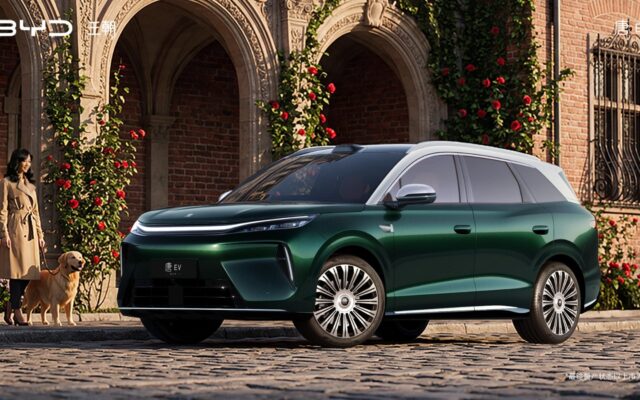
A BYD Song Plus electric vehicle struck by lightning twice in severe weather conditions in Beihai, Guangxi, China, suffered only minor cosmetic damage and continued operating normally.
Both the driver and vehicle emerged from the double lightning strike unscathed, with the car’s electrical systems – including the windscreen wipers – continuing to function throughout the incident.
A mechanic who inspected the vehicle afterwards reported there was no detectable damage beyond minor scorch marks on the roof. The battery, motor and electronics all functioned normally following the strikes.
The incident demonstrates the effectiveness of vehicles as Faraday cages, where lightning travels around the exterior edges of the car body rather than through the interior, protecting occupants from harm.
Faraday cage principle protects occupants
Cars are designed to channel lightning strikes around their conductive metal frames to the ground, similar to how commercial aircraft handle lightning strikes during flight. The principle, developed by Michael Faraday, sees the vehicle’s metal structure retain electrical charge on the outside rather than allowing it to travel through the interior.
Contrary to popular belief, rubber tyres do not provide protection from lightning strikes. Instead, the car’s conductive body attracts the lightning and then routes it around the vehicle’s exterior edges.
The safety principle was famously demonstrated in 2004 when Top Gear subjected a Volkswagen Golf to 800,000 volts of artificial lightning at a Siemens laboratory in Germany. Presenter Richard Hammond survived the test without injury, and the Golf continued to operate normally afterwards.
Safety advice for lightning strikes
Experts recommend remaining inside a vehicle after a lightning strike rather than exiting immediately, as stepping outside could make the person a potential lightning rod for subsequent strikes.
The BYD incident provides reassurance for New Zealand’s growing electric vehicle fleet, particularly given the country’s variable weather conditions. While vehicle manufacturers do not specifically test their products against lightning strikes, the fundamental Faraday cage protection applies to all modern vehicles regardless of their powertrain.
The Song Plus incident adds to the body of evidence supporting vehicle safety during electrical storms, reinforcing that both conventional and electric vehicles provide effective protection for occupants during lightning events.

Join the conversation