
NZ to accelerate emissions cuts
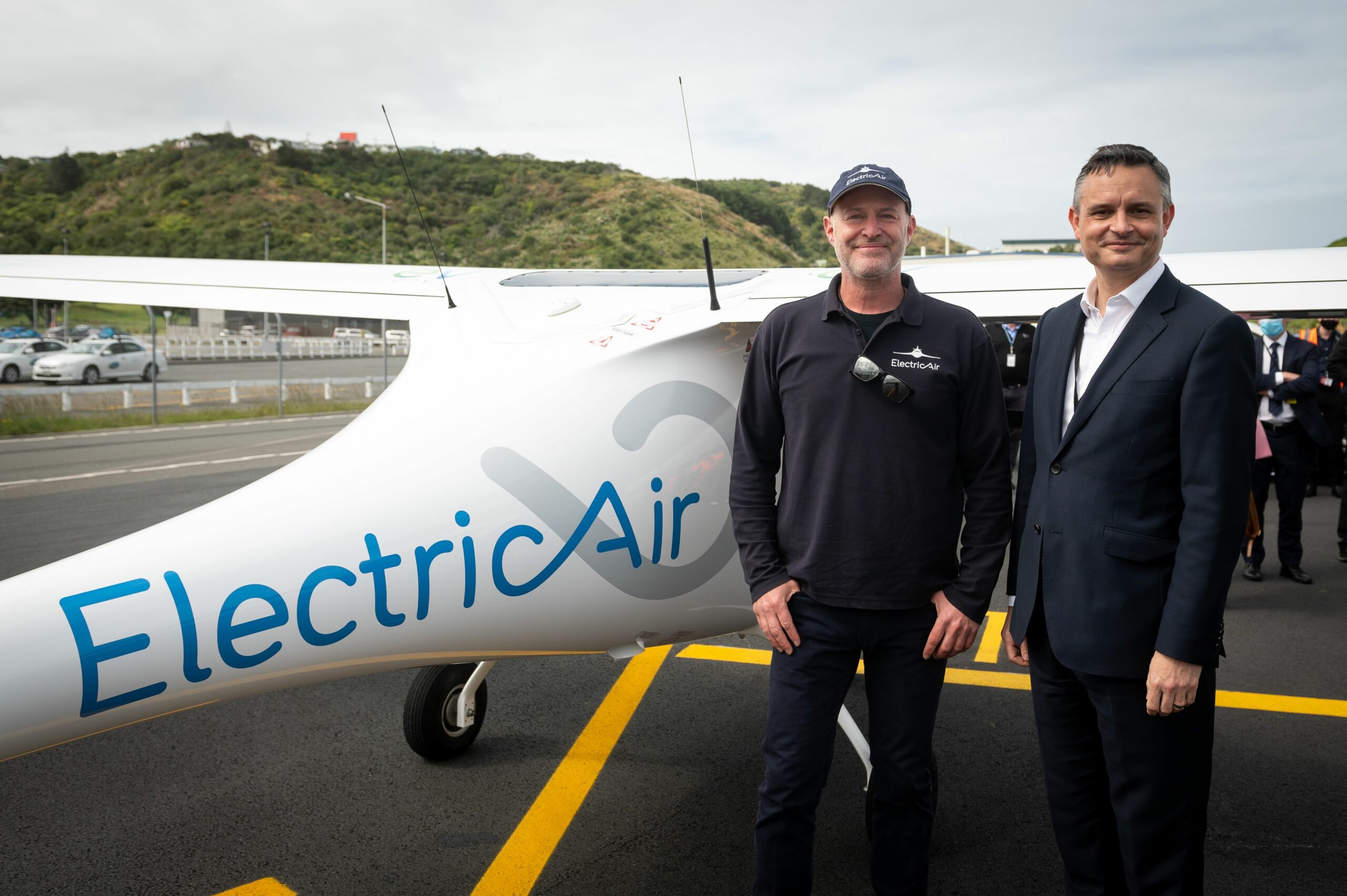
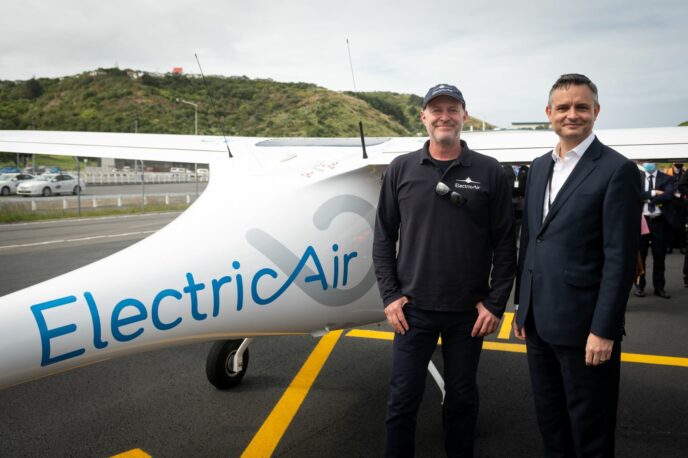
The Greenhouse Gas Inventory release from the Ministry for the Environment (MfE) underlines the case for accelerated action to reduce emissions, says climate change minister James Shaw.
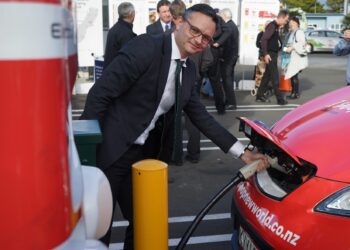
“The Clean Car Discount is already driving a welcome shift to low or zero-emission vehicles – and there is plenty more to come in the transport space.”
Shaw says Government actions are changing the emissions trajectory, “but we clearly have a lot to do to get on track to net-zero”.
“The window to tackle climate change and limit warming is vanishingly small – but it is still there,” he explains. “Whether or not we seize that opportunity will come down to bold, lasting action across every part of government and the economy.”
New Zealand’s first Emissions Reduction Plan, to be released next month, will provide a comprehensive list of actions to drive transformative change.
“It will set out how we will meet our first emissions budget and include policies and strategies to reduce emissions in key sectors like transport, energy, waste, building and construction, agriculture and forestry,” says Shaw.
“In 10 years the world will be a very different place. We need to secure our part in it by making sure the Aotearoa of the future is carbon-zero and climate-friendly, with fairness and opportunities for all.”
The latest report shows the 2020 COVID-19 lockdowns had an impact on emissions.
Gross emissions were down by 3% between 2019 and 2020, mainly driven by less travel by road, air and sea, and reduced fuel use for manufacturing.
From 1990 to 2020 gross emissions increased by 21%.
“COVID-19 has caused global anomalies in emissions levels, but clearly a pandemic is not the way to tackle climate change,” Shaw adds.
“The important thing is that we cannot just go back to normal and watch as our emissions bounce back and start climbing once again. We have to build back better. We have to get on with the transition to a sustainable, low-carbon economy.”
Shaw says the report clearly shows where New Zealand’s emissions are coming from and, therefore, the biggest opportunities to reduce them – including methane emissions from agriculture and carbon emissions from transport.
“Later this year, Government will make a decision on how we measure, manage and price agricultural greenhouse gas emissions. Whatever system we land on will have to create the right incentives for farmers to reduce emissions and move to more efficient, sustainable practices.”

Join the conversation