
Pentagon adds BYD to Chinese military blacklist
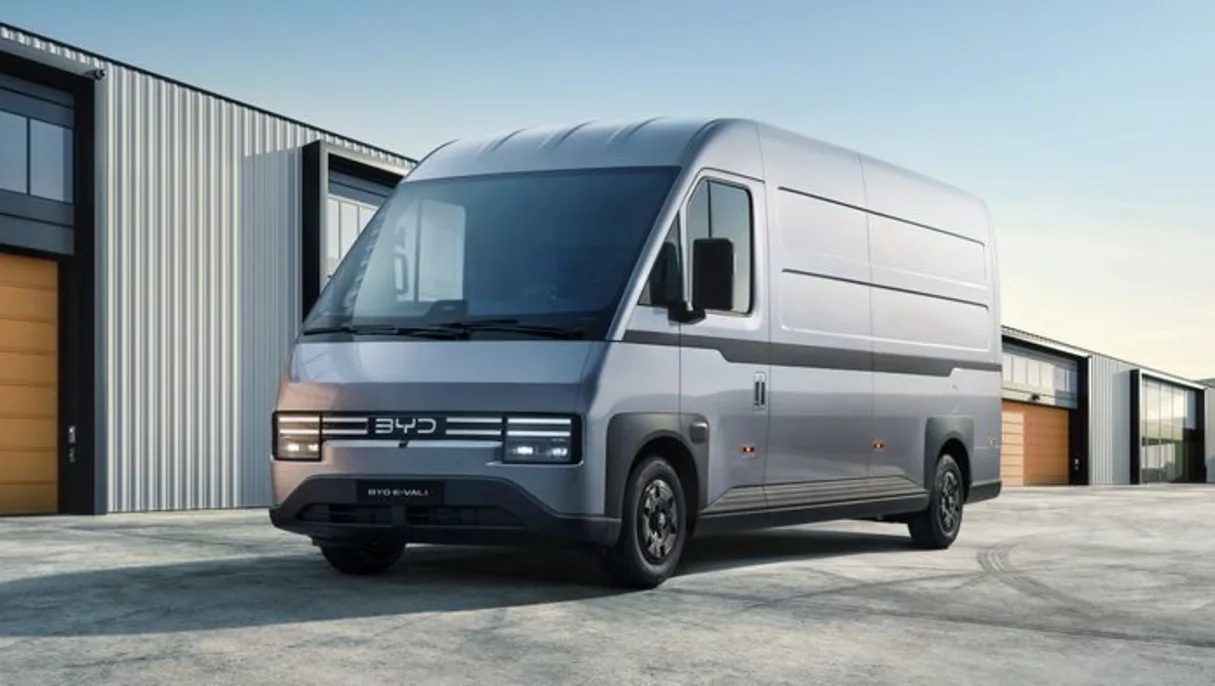
The US Department of Defense has added Chinese electric vehicle manufacturer BYD to its list of companies allegedly supporting the Chinese military, alongside tech giants Alibaba and Baidu.
The expanded blacklist, known as 1260H, now includes 188 companies and is expected to complicate business relationships between US firms and the listed organisations. The list was established under the National Defense Authorization Act of 2021 as a tool to impose restrictions on Chinese technology companies.
The move is unlikely to cause little in the way of issues for the brand outside of the US.
BYD joins fellow Chinese automaker Nio on the Pentagon’s list, along with battery manufacturers CALB Group and EVE Energy. Lidar sensor manufacturer Robosense was also added, following its competitor Hesai which was previously listed.
The automotive sector additions come amid existing trade tensions, with the previous Trump administration having imposed 100% tariffs on electric vehicles imported from China.
According to Techcrunch.com reports, nearly all major players in China’s artificial intelligence sector are now under Pentagon scrutiny, including Tencent which was added to the list last year.
Baidu leads China’s search engine market and is also a major player in autonomous vehicle development. The company has been developing self-driving technology and operates robotaxi services in several Chinese cities.
The Pentagon’s 1260H list serves as one of the key tools used by the US government to restrict Chinese technology companies’ access to American markets and partnerships. Companies on the list face restrictions on investment and business relationships with US entities.
None of the newly listed companies, including BYD, Alibaba or Baidu, have issued official statements regarding the Pentagon’s decision.
The move represents the latest escalation in US-China economic tensions, with technology and automotive sectors becoming increasingly central to the broader trade dispute between the two countries.
Join the conversation