
PHEVs won’t pay twice for roads

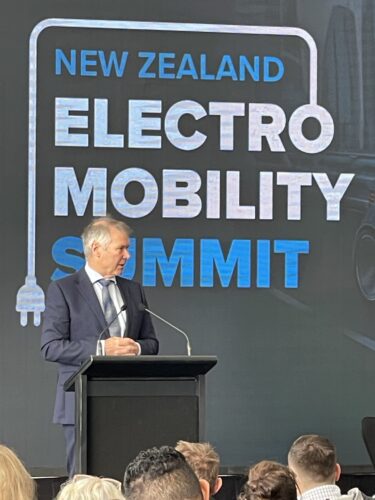
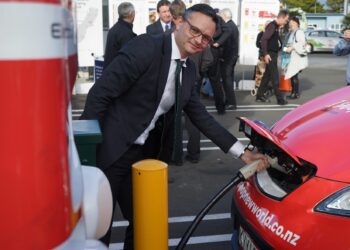
Transport minister David Parker opened the Electro Mobility Summit in Auckland before about 200 conference attendees on September 5, talking about incentives to switch from internal combustion engines (ICE) and the need to continue funding for roads.
“A huge amount of work is underway across the transport and energy sectors to lower our emissions from transport,” he says, outlining the emissions reduction plan and various incentives to achieve that.
Hydrogen will play a major role in achieving that, the Government announcing in Budget 2023 a$100 million regional hydrogen transition – fund to be allocated through a competitive process due to run early next year, Parker says.
Plug-in hybrids (PHEVs) won’t have to pay twice for roads (through fuel and road user charges), Parker indicates.
Further work is being done on how that might be achieved.
Parker says producing green hydrogen uses a lot of electricity, so electricity generation for that needs to be done without compromising the pace of electrification in other sectors.
Recent severe weather events not only highlighted the need for greater resilience but underscored the need to urgently reduce emissions and slow the climate crisis’ impact, Parker adds.
He says e-bikes and e-scooters are part of the micromobility solution, so he doesn’t want “too many barriers in the way of e-mobility decisions”.
Richard Briggs from the Energy Efficiency and Conservation Authority followed by saying New Zealand is on track to meet its emission reduction targets – including net zero carbon by 2050.
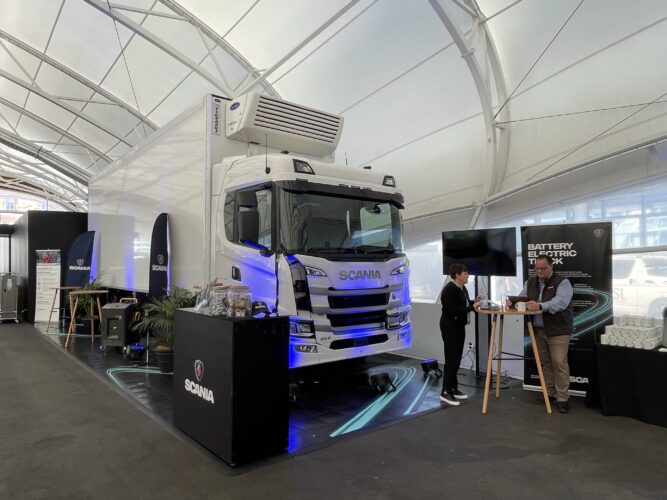
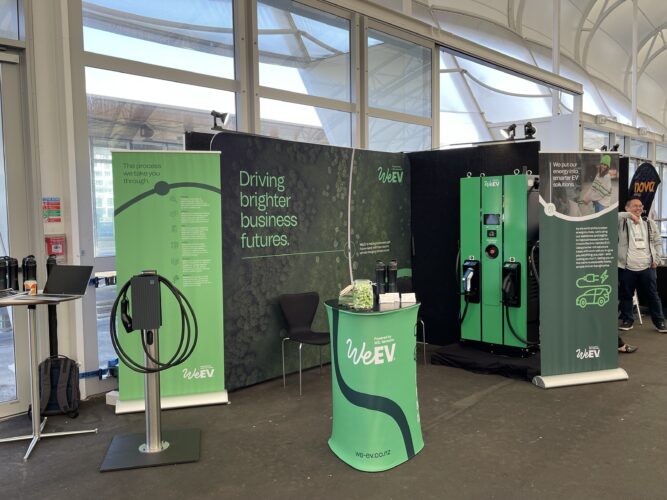
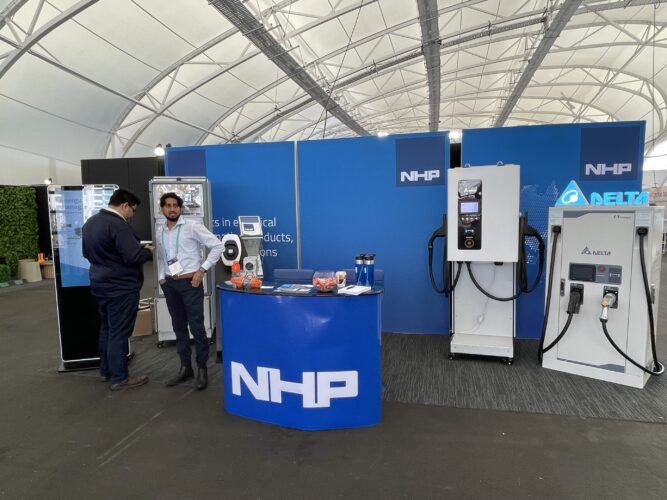
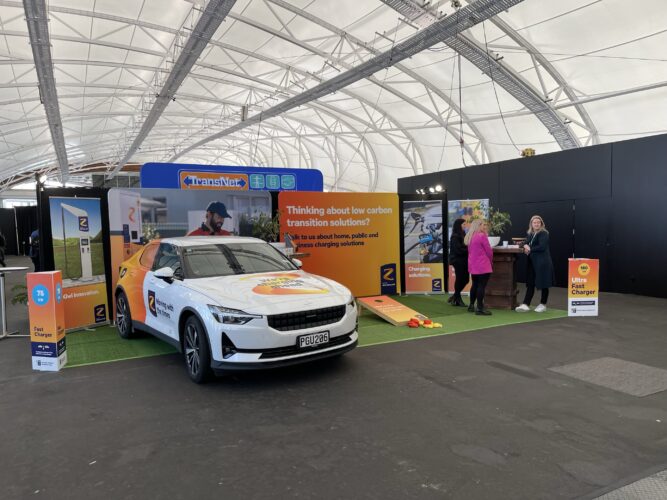
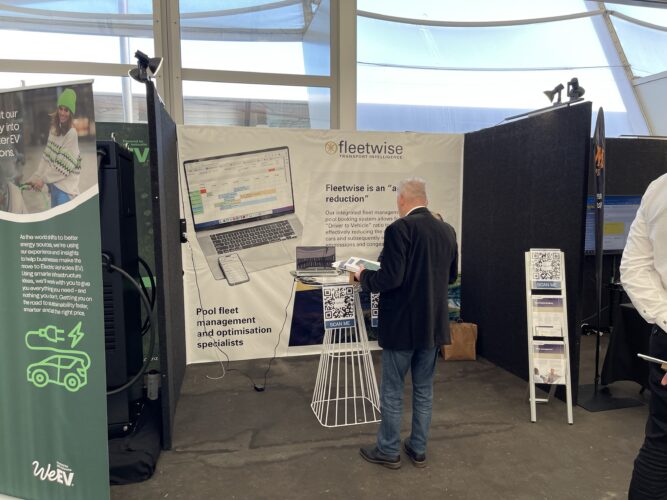
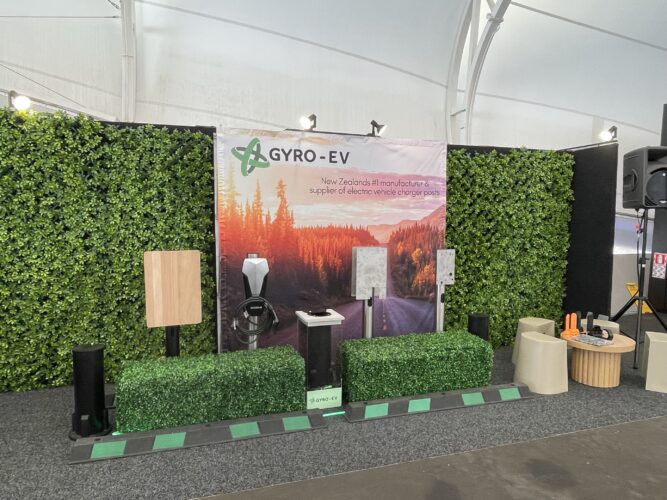
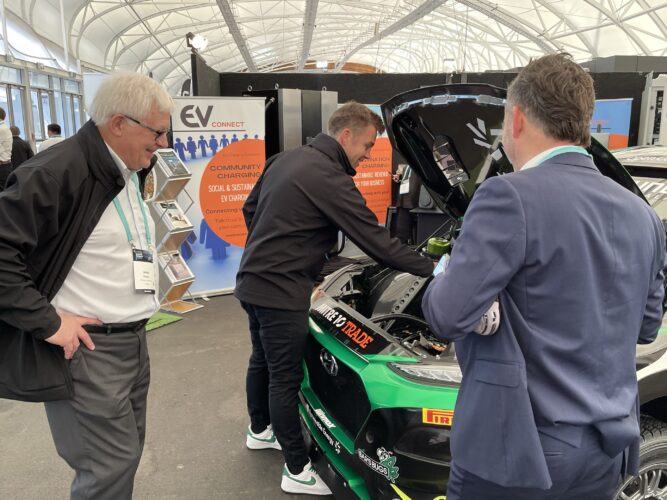
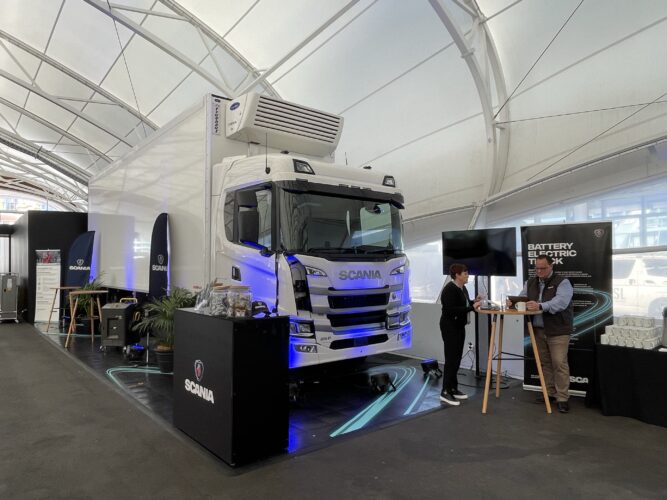
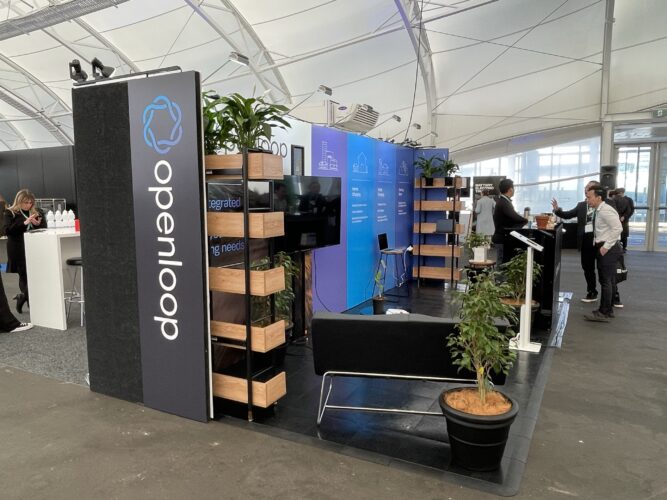
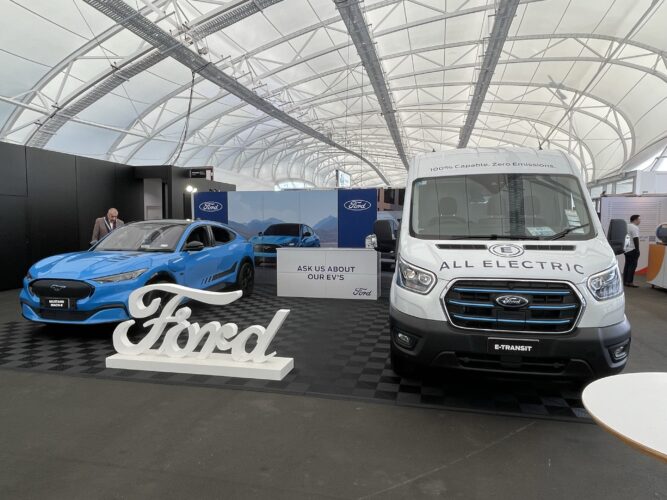
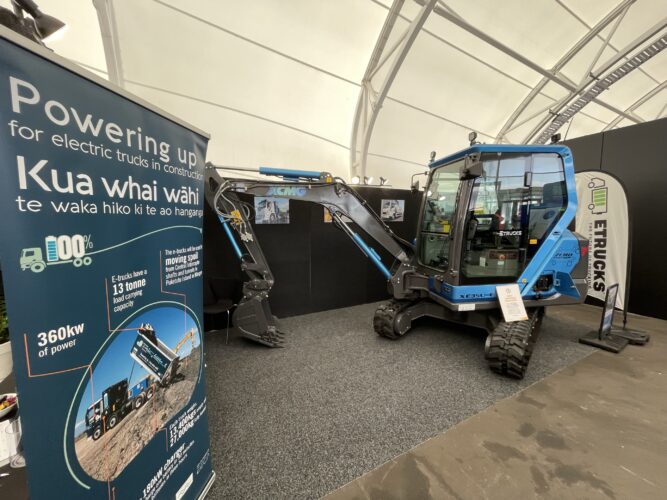
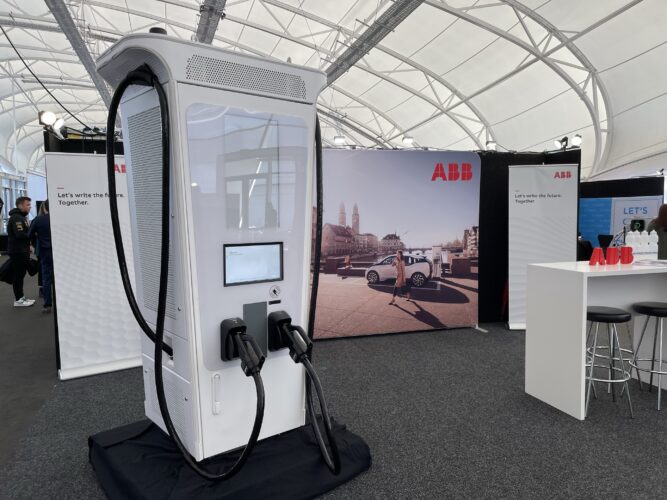
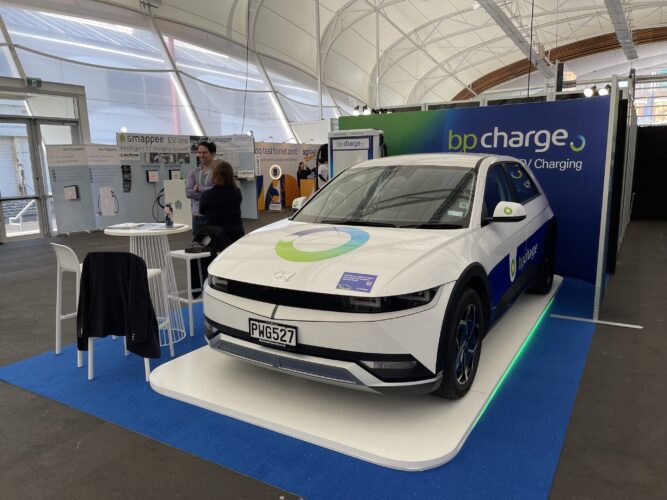
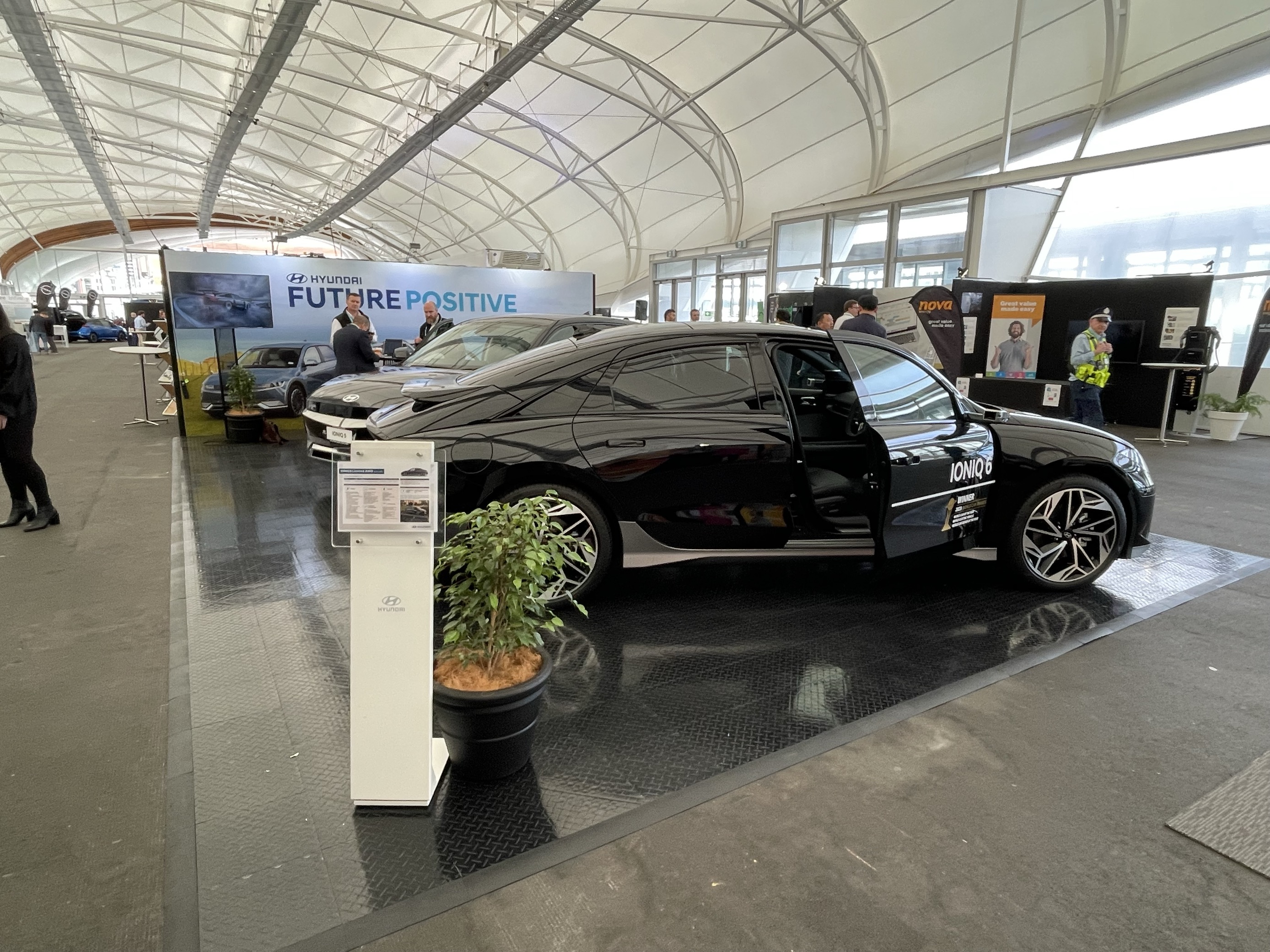
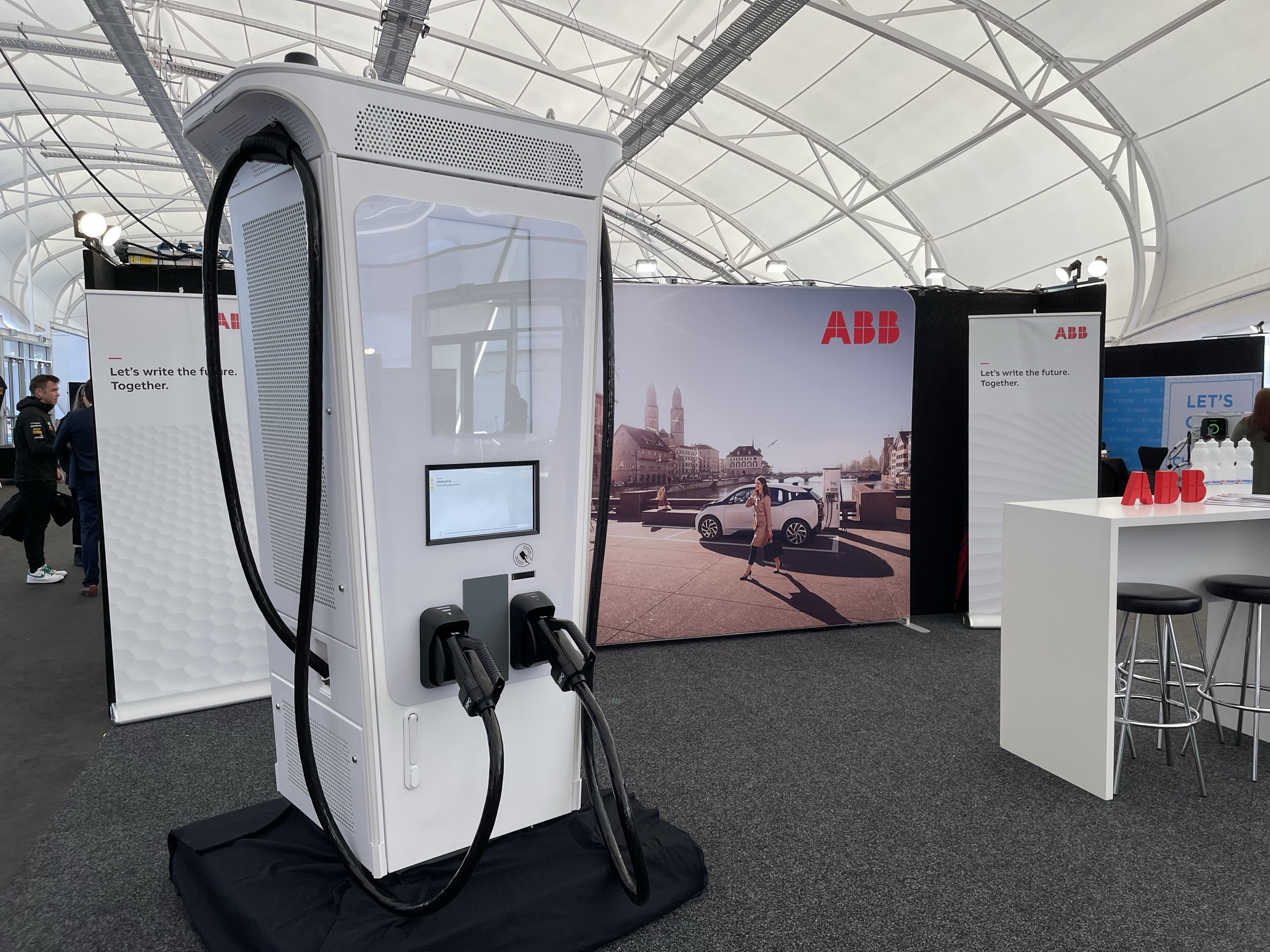
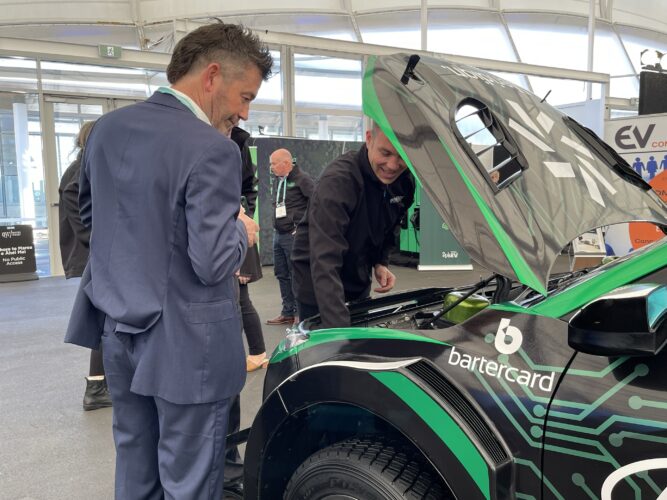
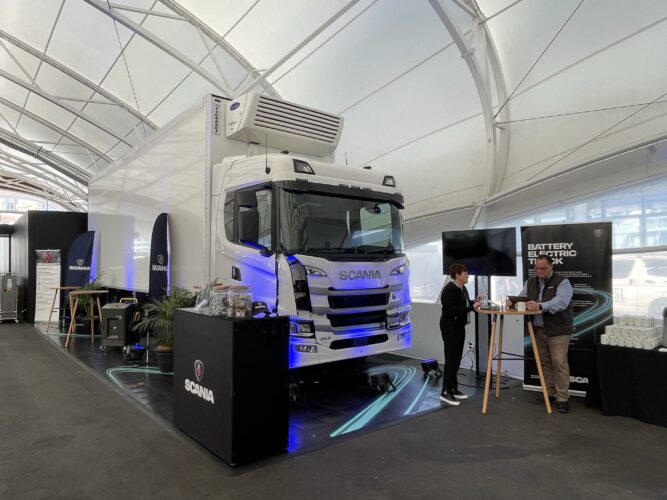
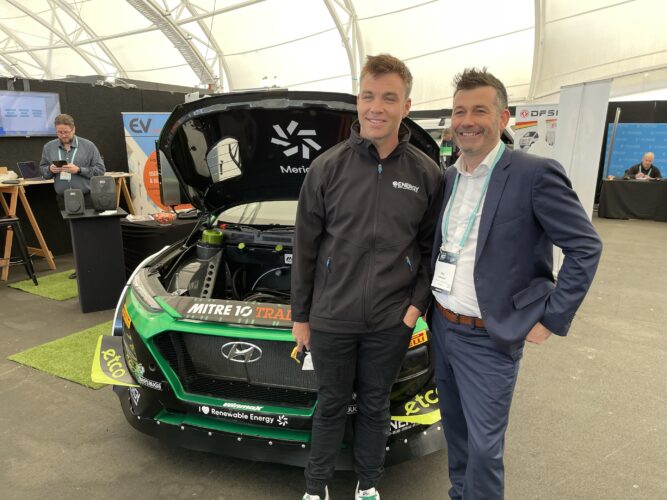
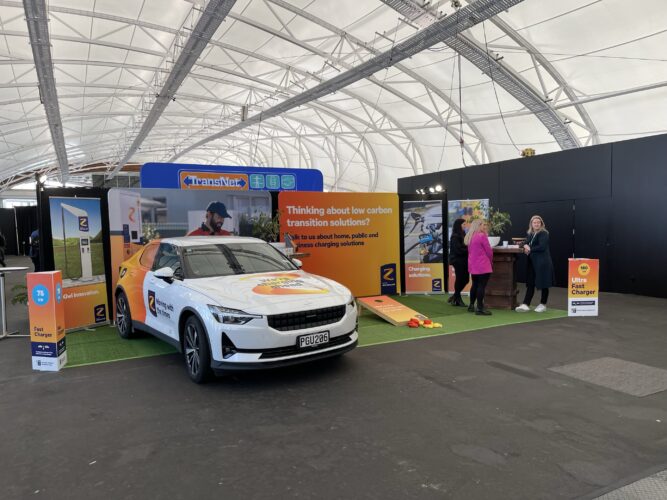
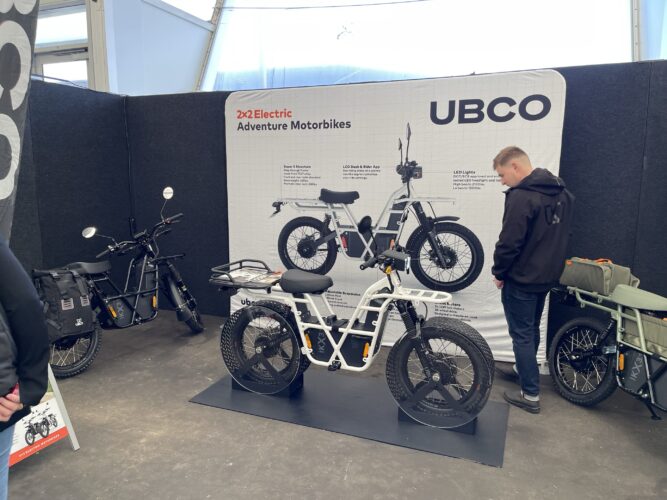
Breaks in the conference allowed attendees to explore the adjoining expo, which included charging providers, e-mobility groups, automotive representatives and more – with about 500 expected on each day of the September 5 and 6 event.



Join the conversation