
Phoenix Recycling and Sumitomo study lithium battery processing facility for NZ
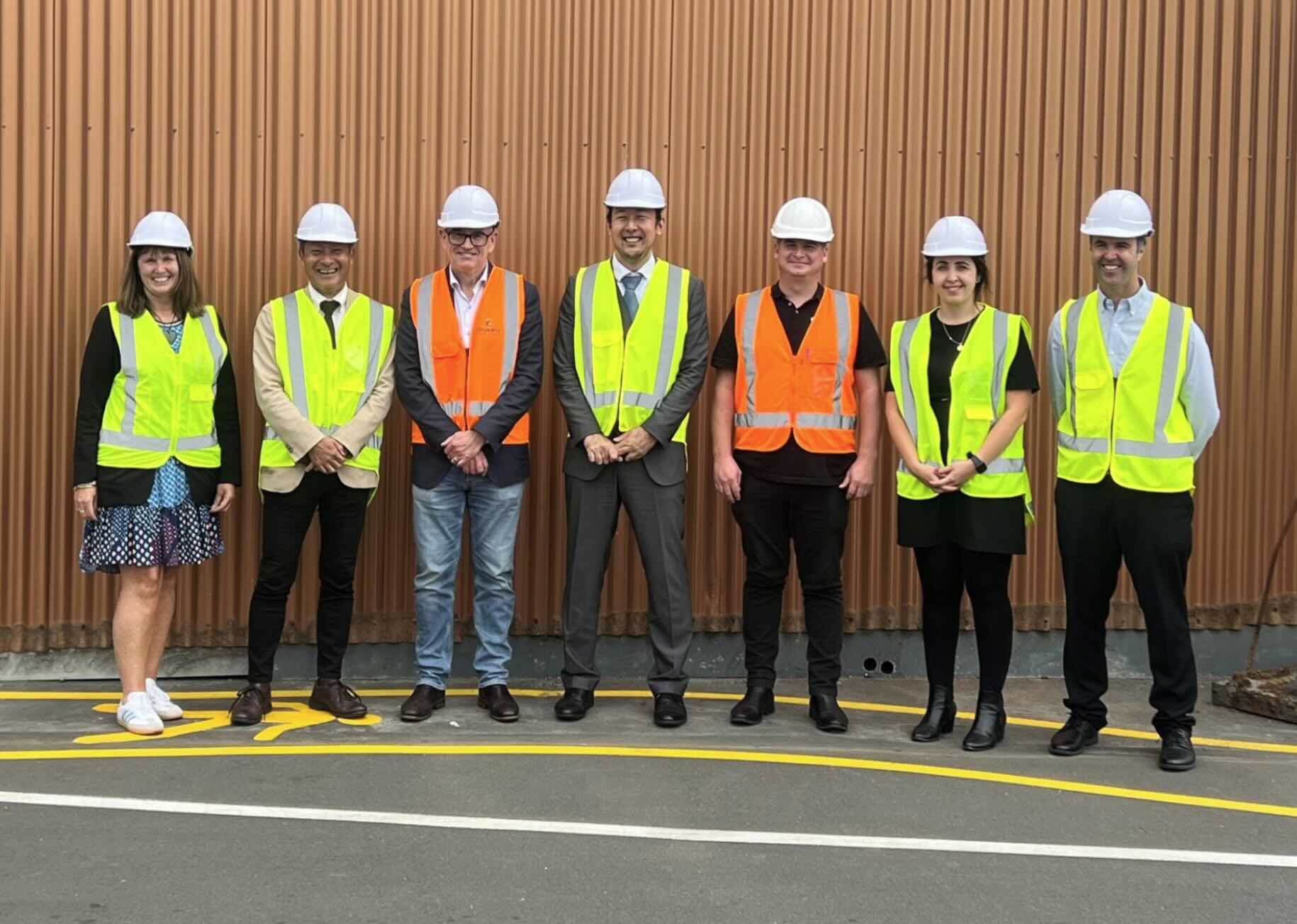
Phoenix Recycling Group has signed a strategic partnership with Sumitomo Corporation to investigate the potential development of a lithium-ion battery processing facility in New Zealand as electric vehicle adoption and end-of-life battery volumes continue to grow.
The companies have signed a memorandum of understanding to undertake a prefeasibility study examining the infrastructure, logistics and market requirements needed to support local lithium battery processing capability.
The study will assess the future potential for lithium-ion batteries collected in New Zealand to be processed into “black mass”, an intermediate material containing valuable minerals including lithium, nickel and cobalt that can later be refined for reuse in battery manufacturing.
Phoenix Recycling Group general manager of product stewardship and sustainability Jasmine Faulkner says the initiative represents a significant step for New Zealand’s battery recycling sector.
“New Zealand has experienced significant uptake in technologies reliant on lithium-ion batteries, particularly electric vehicles and energy storage systems,” Faulkner says.
“It is imperative we establish responsible end-of-life pathways for these recoverable resources before battery volumes increase further.”
The partnership follows a Japanese Government directive encouraging the establishment of circular supply pathways for battery materials and critical minerals.
The prefeasibility study will examine future end-of-life battery volumes from electric vehicles and energy storage systems, infrastructure requirements for a processing facility, and opportunities to support a circular economy for lithium battery materials in New Zealand.
Faulkner says battery recycling in New Zealand currently relies heavily on offshore processing.
“Establishing onshore processing capability within New Zealand would represent a significant step forward for New Zealand, while also reducing the need to dispose of damaged or compromised lithium batteries that currently cannot be exported for recycling due to transport safety restrictions,” she says.
Phoenix launched its “No Battery Left Behind” campaign in 2023 and says it now supports battery collections from more than 350 locations nationwide in partnership with more than 160 suppliers.
The company says it has diverted more than 768,000kg of batteries from landfill, including more than 148,000kg of lithium batteries.
Faulkner says the company’s long-term goal has been to develop sufficient battery feedstock to support local processing capability.
“Our goal has always been to secure sufficient lithium-ion feedstock to justify an onshore facility,” she says.
“Collaboration across local industry, OEMs and battery suppliers will be critical to the success of this prefeasibility study.”
Sumitomo Corporation team leader Tetsuro Niikura says the company hopes the project will help establish a long-term battery recycling business in Oceania.
“Through this initiative, we hope to establish a mutually beneficial business foundation in the region that effectively addresses the rapidly expanding battery recycling market driven by EV adoption,” Niikura says.

Join the conversation