
Power bills’ pinch felt by one in four small businesses
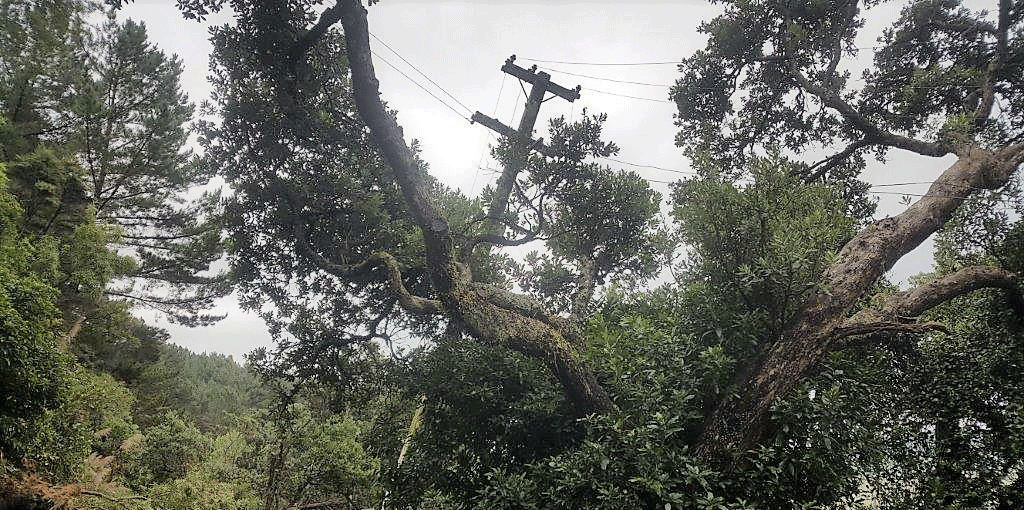
More small businesses and residents worry about electricity system resilience to climate events.
So says the Consumer Advocacy Council, adding paying power bills during the cost-of-living crisis is putting more pressure on the budgets of small businesses and households.
That’s according to the second “Sentiment Survey” done by the council.
More than one in four small businesses (28%) say power bills are putting pressure on their finances, up from one in five (21%) in the December survey, the council explains.
Residential consumers are also worried about power bills with nearly two thirds (65%) expressing concern, up from 58% when last surveyed.
“This is another timely reminder to electricity retailers that they need to take care when reviewing power prices and be ever mindful of those customers who may be doing it tough right now,” says Consumer Advocacy Council chair Deborah Hart
“We have repeatedly called for the Consumer Care Guidelines to become a set of enforceable rules or minimum conditions so all consumers know the service they can expect from every retailer.
“With affordability remaining a key concern, now more than ever, the guidelines should be mandatory,” says Hart.
“That means no-one experiencing hardship could be cut off without retailers doing everything possible to help them through their problems and all consumers should know they are on the best plan for their budget.”
The survey found that only one in 10 consumers were aware of the Consumer Care Guidelines which are overseen by the regulator, the Electricity Authority.
“Consumers should know what protections are in place for them, but clearly there is a real and disappointing information gap here, quite apart from the guidelines having no teeth and being inconsistently followed by retailers,” says Hart. “
As well, few consumers are aware of how Utilities Disputes can help them settle disputes with their retailer.”
Kantar Public surveyed 1000 residential consumers and 500 small businesses (fewer than 20 employees) on June 7-27 this year.
The last survey was undertaken over November and December 2022.
“Our second Sentiment Survey also shows consumers are getting more worried about the network’s ability to withstand extreme climate events which we know from Cyclone Gabrielle and Auckland’s floods are becoming more frequent,” says Hart.
Nearly two thirds (65%) of residential consumers worry about the resilience of the system, up from 57% in 2022, while 68% of small businesses expressed doubts about the system’s resilience, up from 59% in 2022.
“This reinforces the need for the electricity sector to build confidence among consumers that when bad weather strikes, their network will be able to cope, or at least be able to be restored as quickly as possible,” says Hart.
Survey key findings include 65% of consumers concerned about electricity costs putting pressure on budgets (up from 58% in December).
just 15% of residential consumers and 17% of small businesses said they would contact Utilities Disputes if they couldn’t resolve a complaint with their retailer.
Satisfaction with power companies remains static, though there’s been a drop in the proportion of residential consumers who are “very satisfied” (17% compared with 21%).
More residential consumers feel confident to make choices about which retailer to use (65% compared with 58% in 2022), and switching is up year-on-year. Electricity Authority data shows the number of people switching retailers has dropped during the past five years (404,975 switched in July 2018, while 361,819 switches were recorded at the end of July 2023).



Join the conversation