
Renault revives 8 Gordini as electric sports coupé
Renault has revived the 8 Gordini as a one-off electric coupé concept with 200kW, a carbon fibre body and the original's blue paint and white stripes, ahead of the Paris Motor Show.
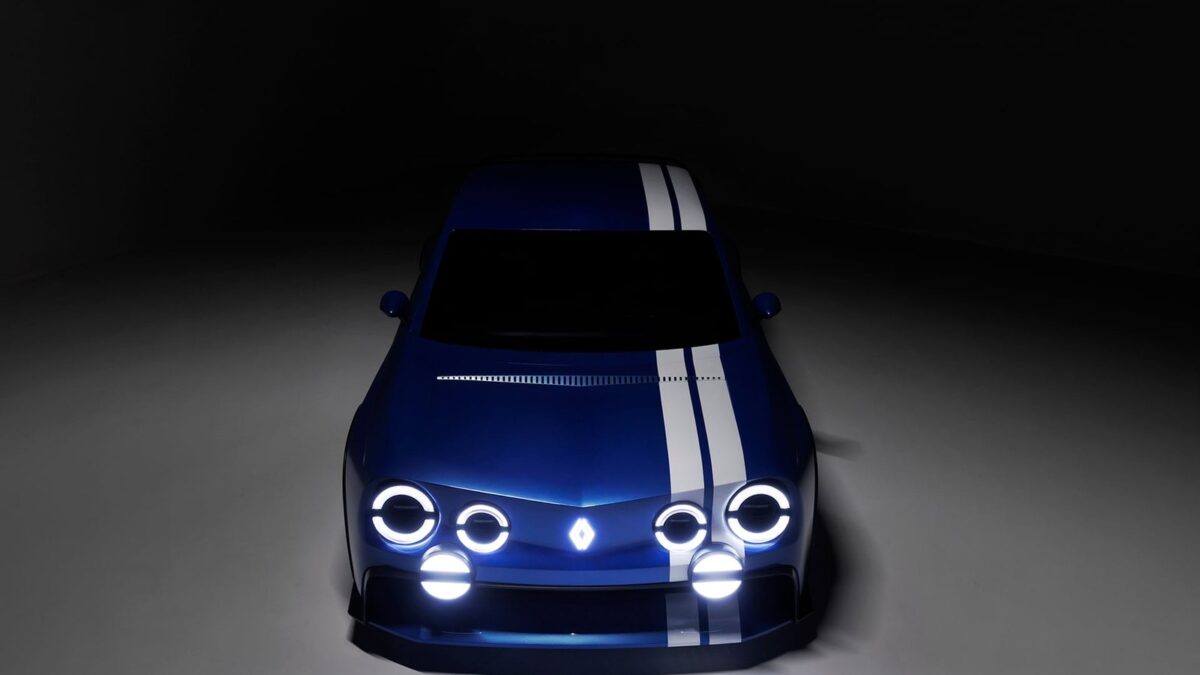
Renault has reimagined one of its best-known performance cars, turning the boxy, four-door 8 Gordini into a low-slung electric coupé with 200kW.
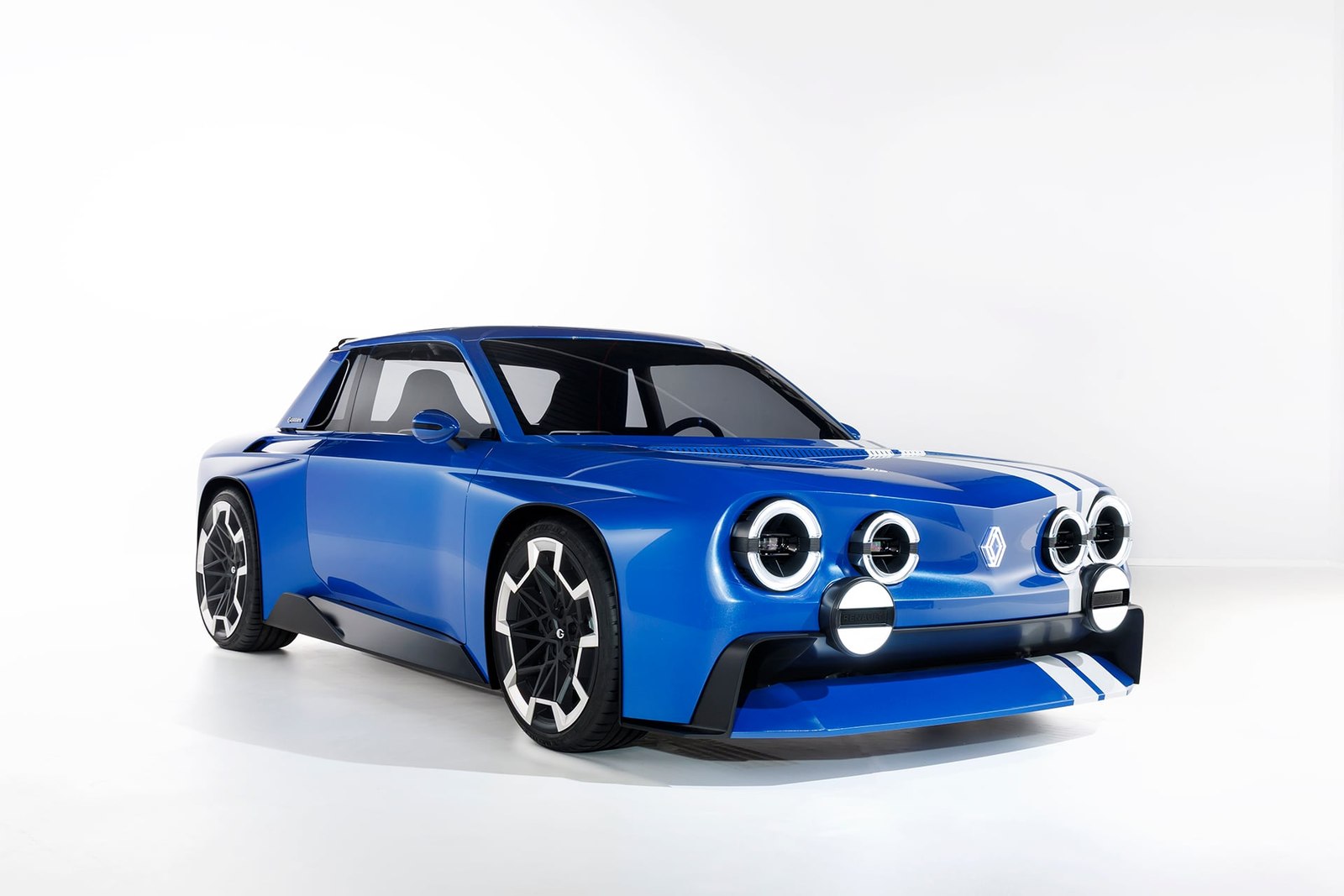
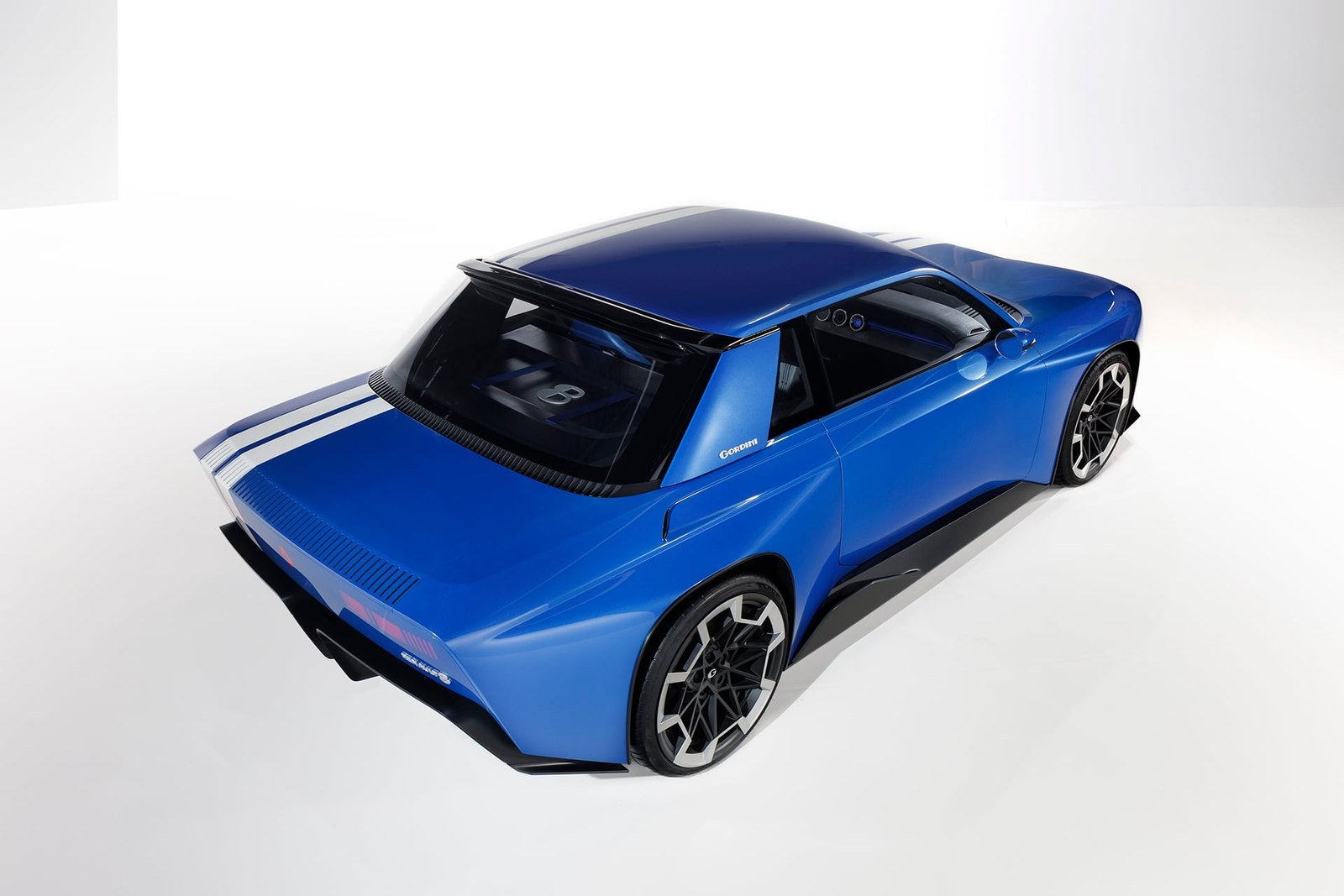
The Renault 8 Gordini Concept keeps the blue paint, double white stripes and motorsport references of its predecessor, but wraps them around a much wider, lower two-seat body.
Renault describes it as a one-off design exercise. The concept was unveiled at Renault Carwalk on 24 September and will appear at the Paris Motor Show from 12 to 18 October.
Familiar stripes, very different proportions
The original Renault 8 Gordini arrived in 1964 with a rear-mounted 70kW engine driving the rear wheels. It helped make performance motoring more accessible and became a training ground for drivers including Jean Ragnotti.
The new interpretation takes a rather different shape. Measuring 4,120mm long, 1,880mm wide and just 1,270mm tall, it trades the original’s upright cabin and four doors for a compact coupé silhouette.
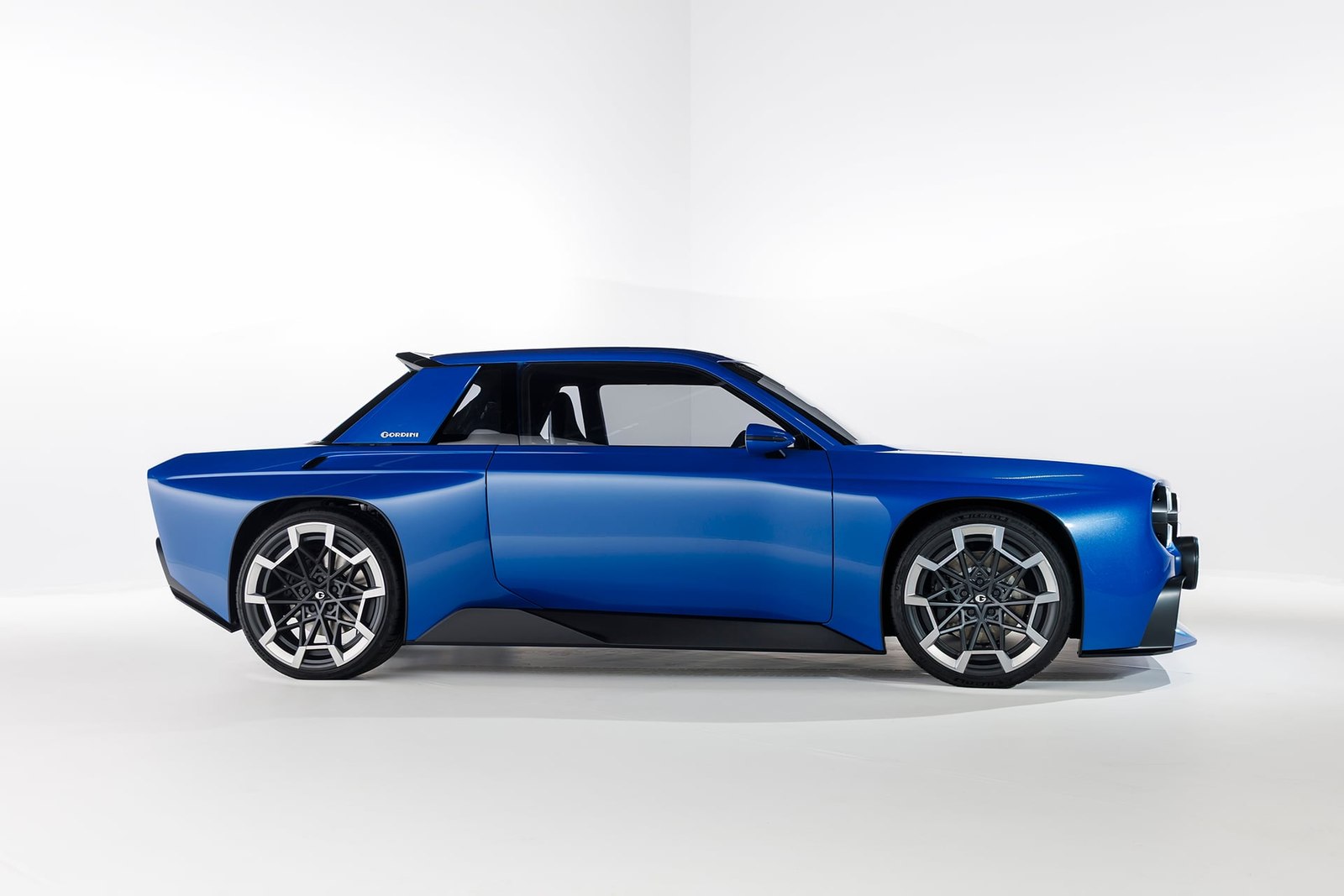
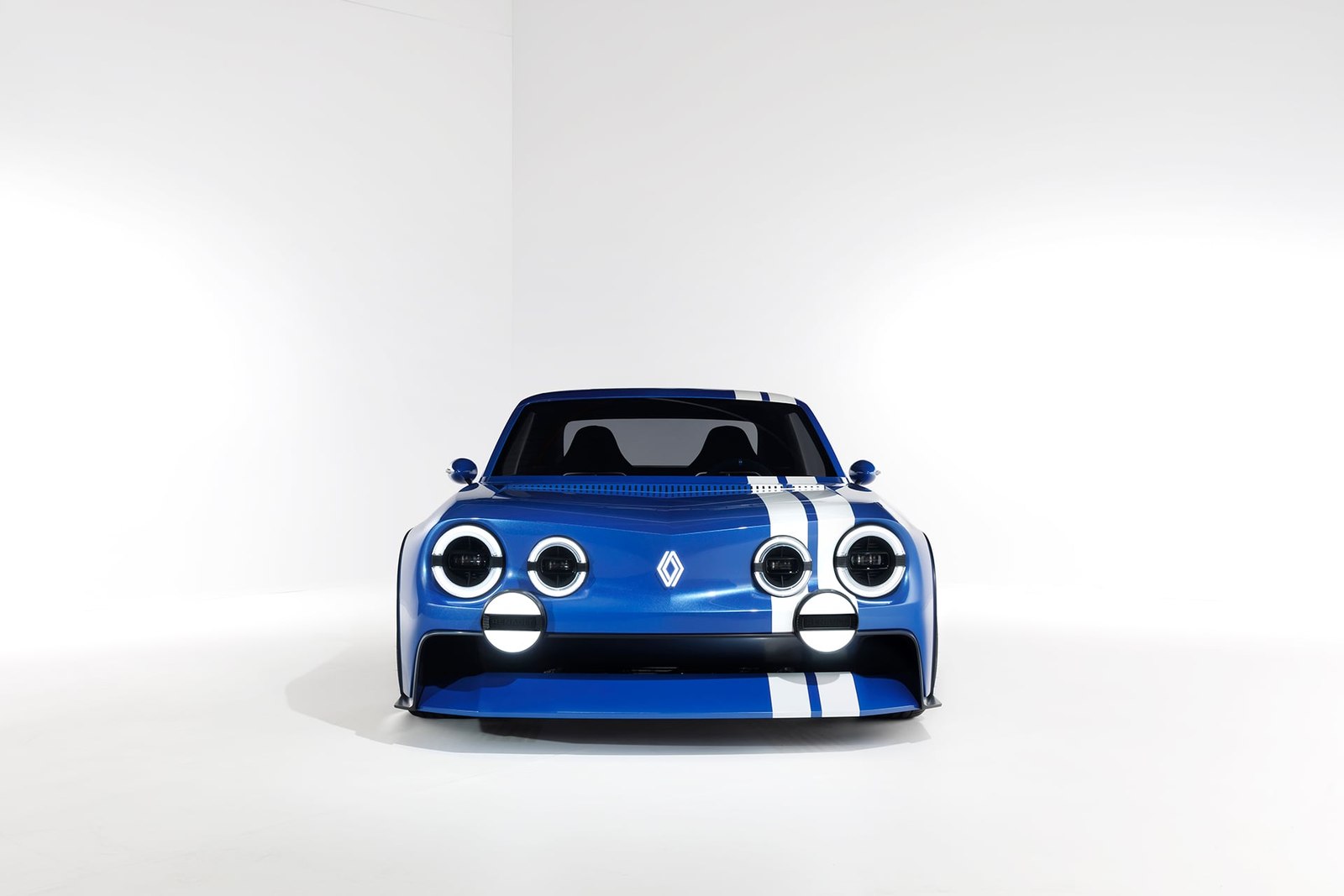
Wide rear haunches, squared-off wheel arches and staggered wheel sizes reinforce the stance, with 19-inch wheels at the front and 20s at the rear. Six round headlights reference the additional lamps fitted to rally versions of the original, while the rear lights sit flush with the bodywork and are barely visible when switched off.
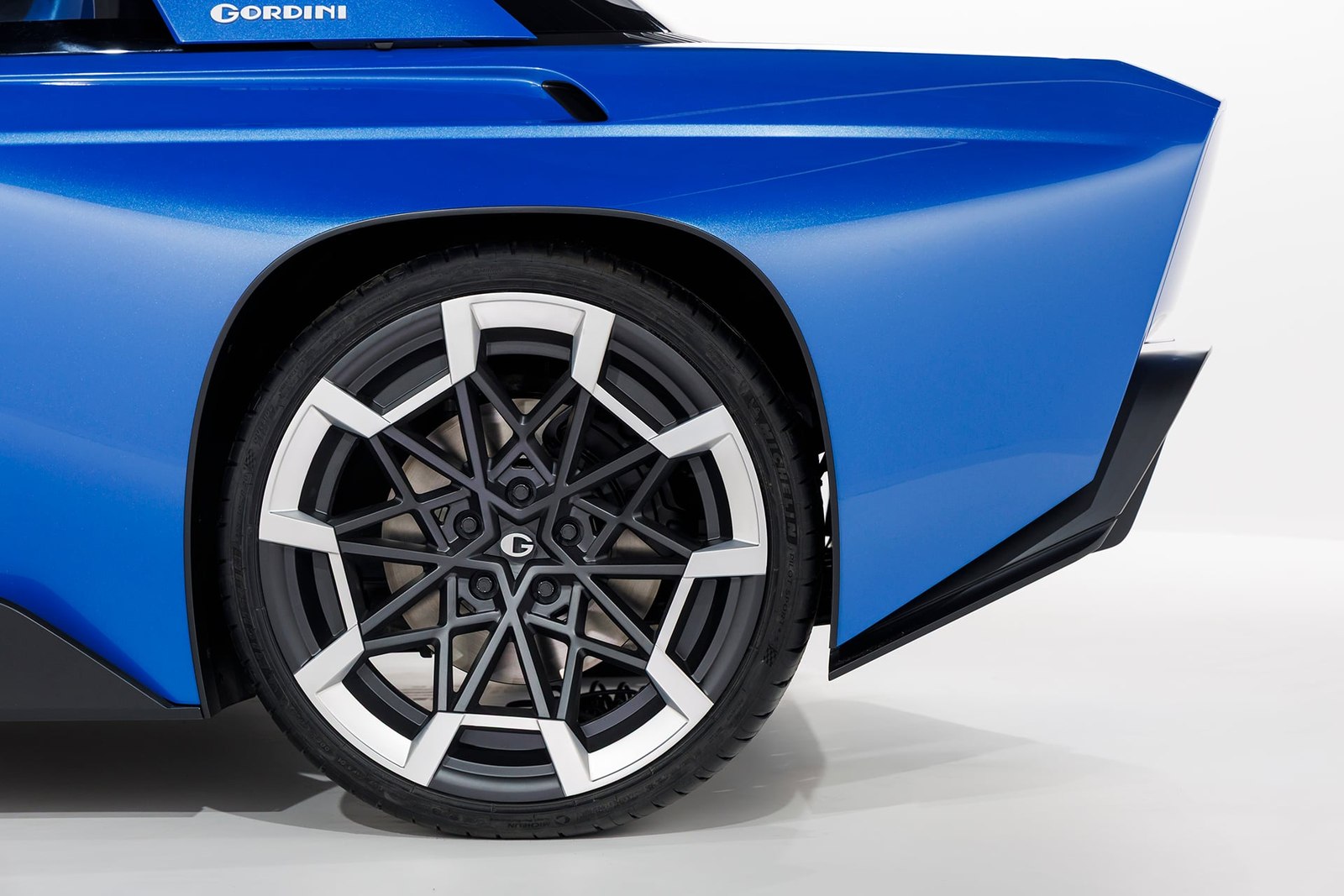
The blue paint uses a three-layer finish incorporating mother-of-pearl, designed to reveal different shades as light moves across the panels.
Gordini’s double white stripe does more than decorate the bonnet. It organises elements of the design, including the grille at the base of the windscreen and graphics within the rear lights, and continues into the cabin, changing from white to blue across the dashboard.
Electric power, stripped-back thinking
An electric motor supplies 200kW, although Renault hasn’t provided battery capacity, driving range, weight or acceleration figures.
The bodywork uses carbon fibre, with the design taking inspiration from café racer motorcycles. That means removing unnecessary trim and simplifying surfaces to place more emphasis on the shape and materials.
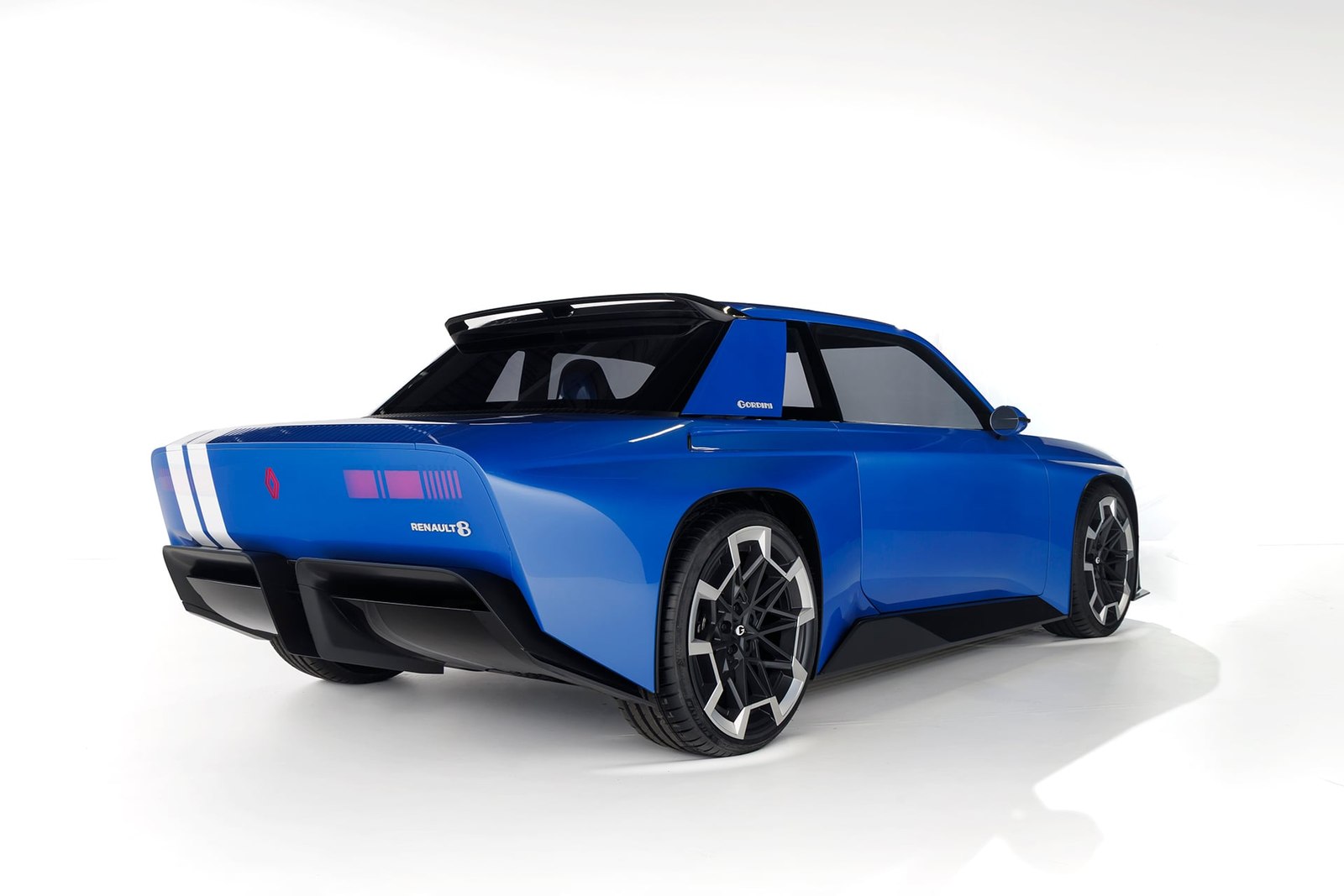
The original car’s chrome side moulding, for example, is reinterpreted as a line formed into the body. The bonnet removes as a single piece, avoiding a conventional shut line across the front end.
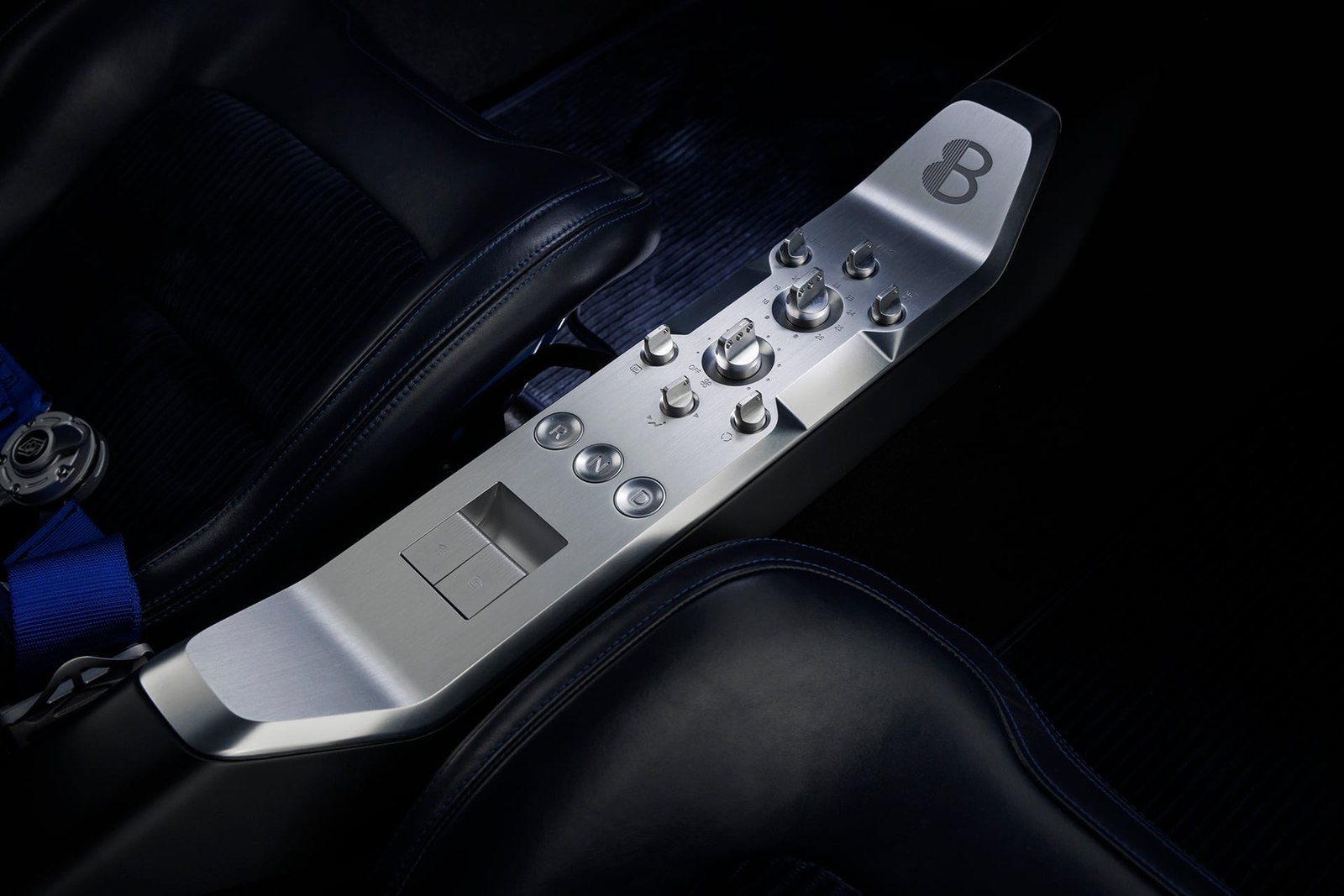
Inside, brushed aluminium and Alcantara dominate. Round digital instruments sit above a horizontal aluminium dashboard, combining the appearance of traditional gauges with modern displays.
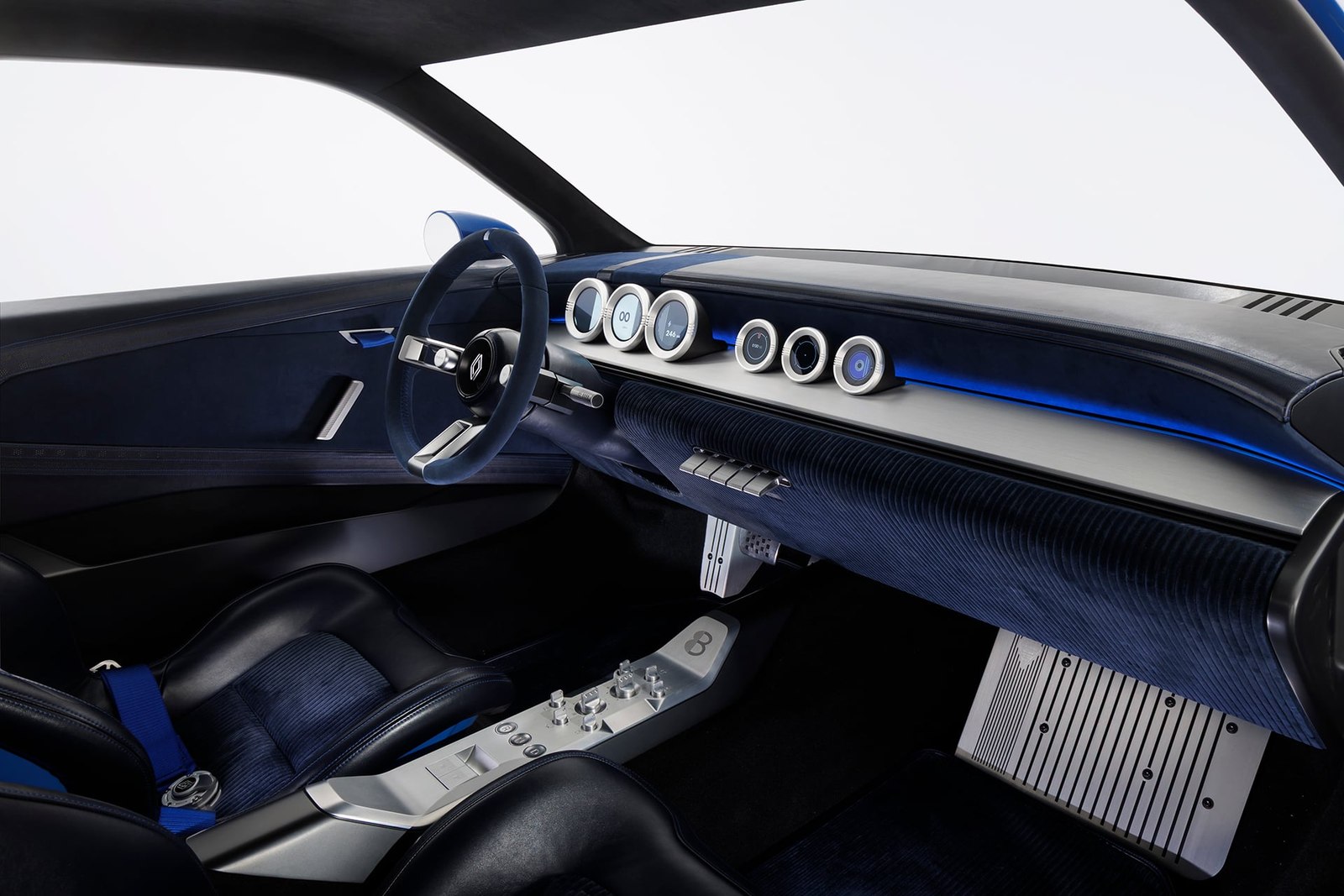
Black bucket seats feature blue corduroy centre sections, while a stopwatch button with a red dot provides a focal point in the otherwise restrained cabin.
An in-house passion project
Unlike Renault’s recent R17 restomod collaboration with designer Ora Ïto, the Gordini concept was developed entirely within Renault. An internal design competition generated more than 300 sketches. Two proposals progressed to scale models before the team combined elements of both into the finished design.
“This exercise in style sets out to reinvent Renault 8 Gordini for the modern day. The aim of this coupé is to inspire emotion and capture the imagination of all car enthusiasts,” says Renault design vice president Alexandre Malval.
The concept will join Renault’s heritage collection at its planned museum in Flins, which is expected to open to the public in around 15 months, alongside the R17 electric restomod and Renault 5 Diamant.
Join the conversation