
2025 HONDA E:N1 – Honda goes electric!
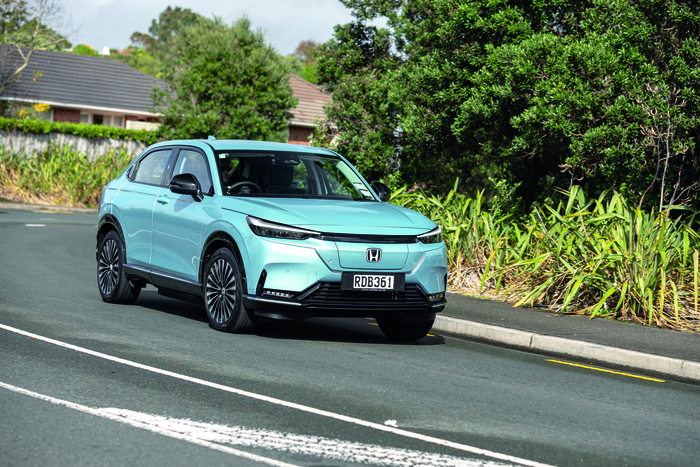
Honda has officially entered New Zealand’s mainstream EV market with the 2025 e:N1, a compact electric SUV aimed at buyers who want an easy transition from petrol to battery power. Priced at $52,000 plus on-road costs, the e:N1arrives in a single, well-equipped variant — and while it brings refinement and simplicity, it’s not without a few trade-offs.
We’ve now driven it on Kiwi roads, and it’s clear this isn’t a headline-chaser. But it is a comfortable, competent EV that feels familiar in all the right ways.
CLEAN LINES, FAMILIAR FORM
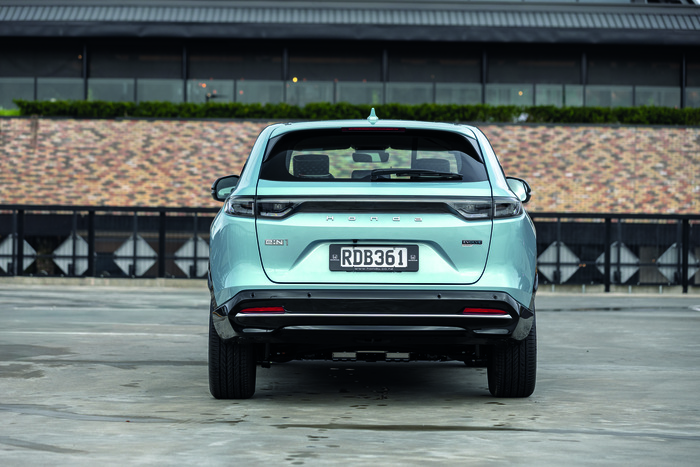
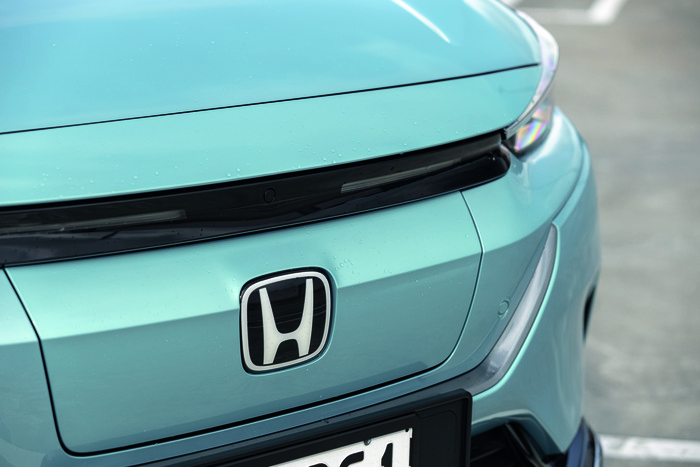
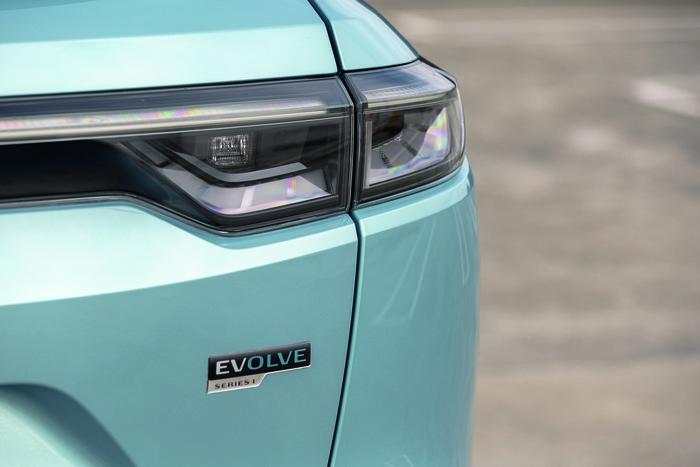
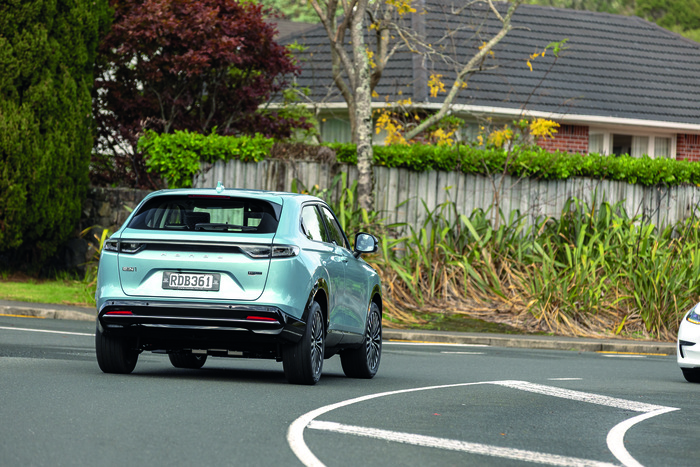
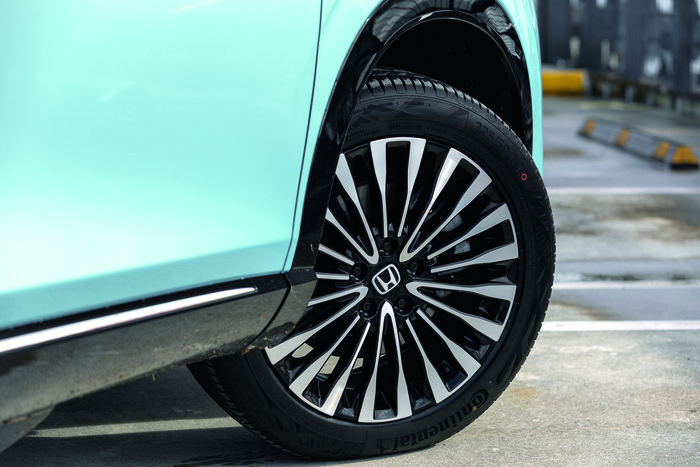
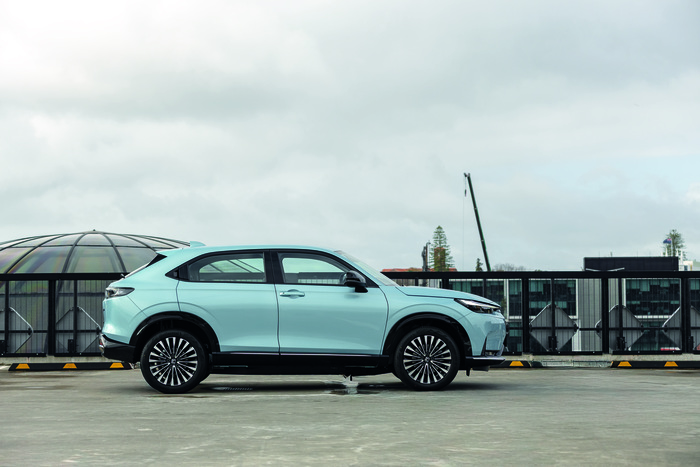
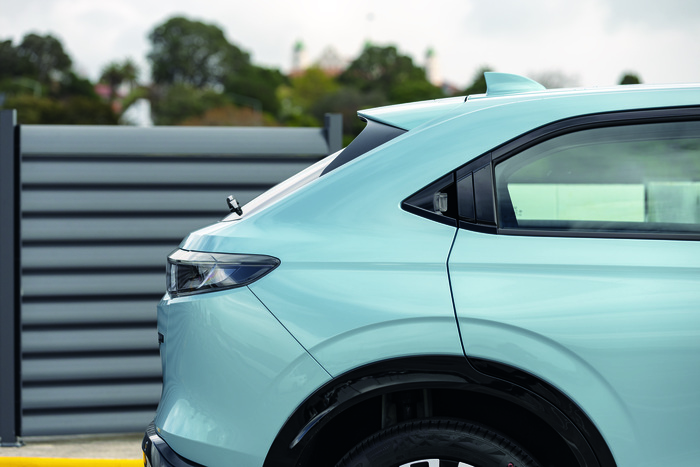
At first glance, the e:N1 looks like a sleeker, cleaner version of the petrol HR-V. A flush grille, slim LED headlights, full-width rear light bar and 18-inch black-cut alloys give it just enough EV attitude without straying far from the Honda design language.
It’s not a radical reinvention — and that’s entirely intentional. The e:N1 is designed to make the switch to electric feel natural, not foreign.
That said, despite being EV-only, it’s not based on a ground-up electric platform. There’s no front trunk (frunk) and the seats sit on an odd raised platform stamped into the floor. This puts it behind newer modular EV architectures that make better use of available space, especially for cable storage or road trip essentials.
RANGE, POWER, AND CHARGING
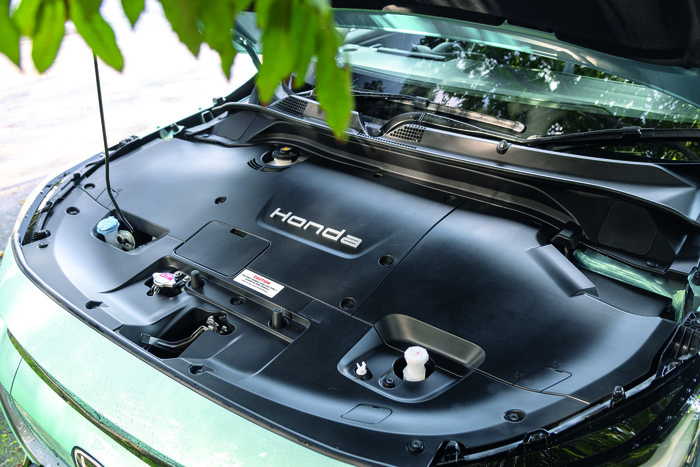
The e:N1 runs a 150kW/310Nm motor driving the front wheels, fed by a 68.8kWh battery. Range is rated at 412km WLTP, which we found realistic in a mix of urban and highway conditions. Our test returned 15.6kWh/100km, putting it ahead of the MG4 Long Range and BYD Atto 3 Extended.
DC fast charging maxes out at 78kW, which is serviceable but noticeably slower than many rivals offering 100–150kW. A 30–80% top-up takes around 35 minutes, and AC charging supports up to 11kW for home or workplace setups.
For everyday use, that’s more than acceptable — but for road-trippers or drivers relying heavily on public infrastructure, that slower peak may require a little more planning.
Performance is smooth and progressive. It’s not neck-snapping quick, but it’s responsive off the line and composed at speed. The e:N1 hits 0–100km/h in a claimed 7.6 seconds, which feels accurate on the road.
CALM, CONFIDENT DRIVE
Ride quality is where the e:N1 shines. Honda has clearly prioritised refinement, and it pays off in a quiet, comfortable drive. Road and wind noise are impressively low, even at 100km/h, and the suspension handles Kiwi backroads with grace.
Handling is light but predictable, with a low centre of gravity giving it confidence in corners. Steering feel is typical Honda — not overly sharp, but communicative enough for everyday driving.
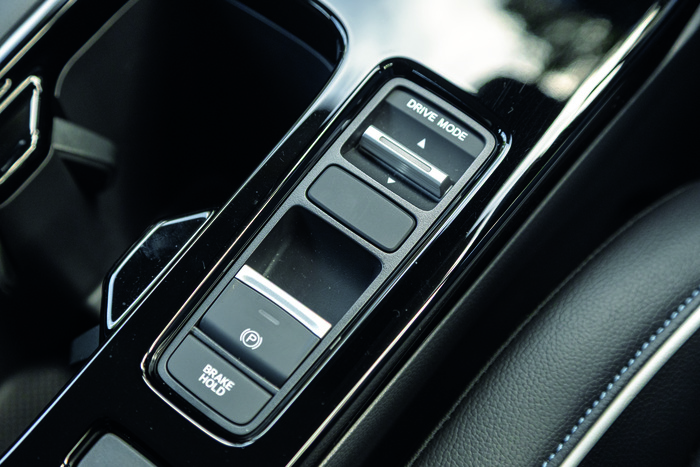
Three drive modes (Eco, Normal, Sport) tweak throttle response, and regenerative braking can be adjusted via steering wheel paddles. It’s intuitive and easy to settle into, whether you’re new to EVs or a seasoned convert
INSIDE: SIMPLE, SMART, NOT QUITE PREMIUM
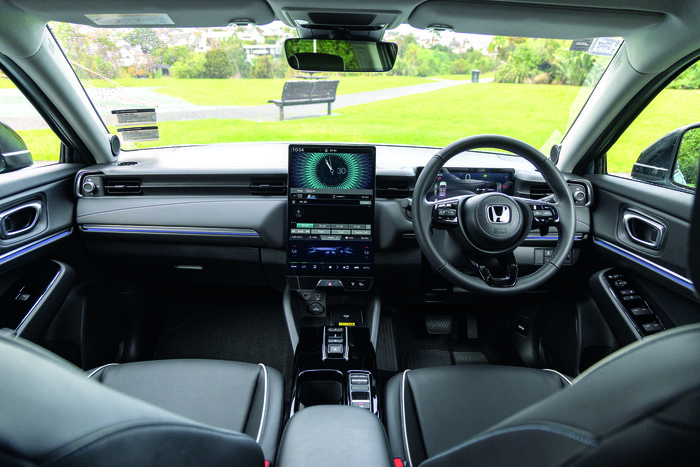
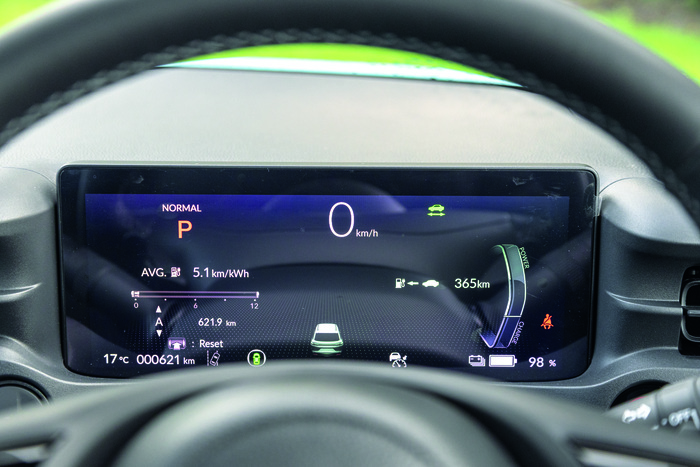
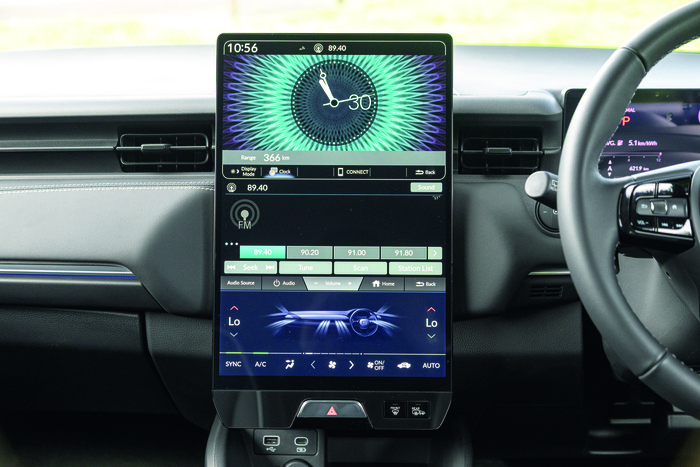
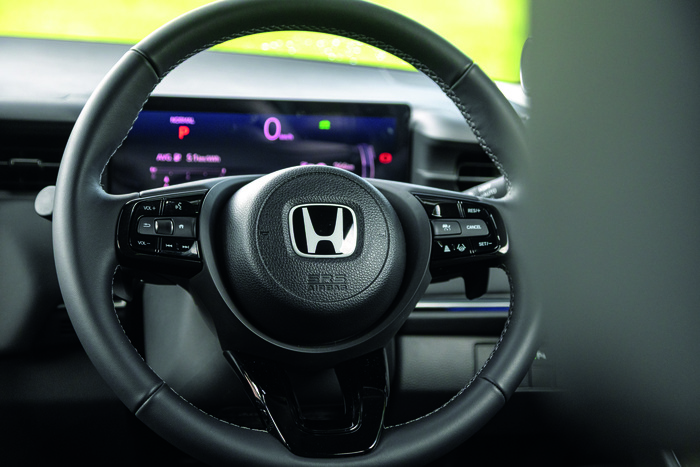
The e:N1’s interior is refreshingly clear and unfussy. There’s an 11-inch central touchscreen with wireless Apple CarPlay, paired with a 10.25-inch digital instrument cluster that’s clean and legible. Honda’s infotainment software is straightforward, and crucially, climate and audio controls remain physical — a user-friendly move in a segment that often leans too far into touch-only operation.
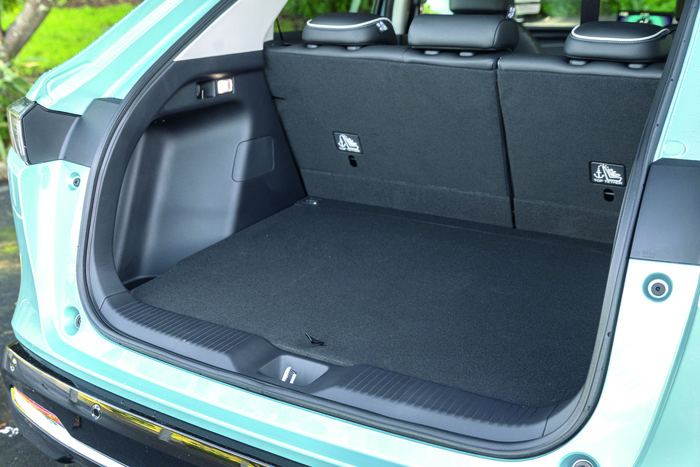
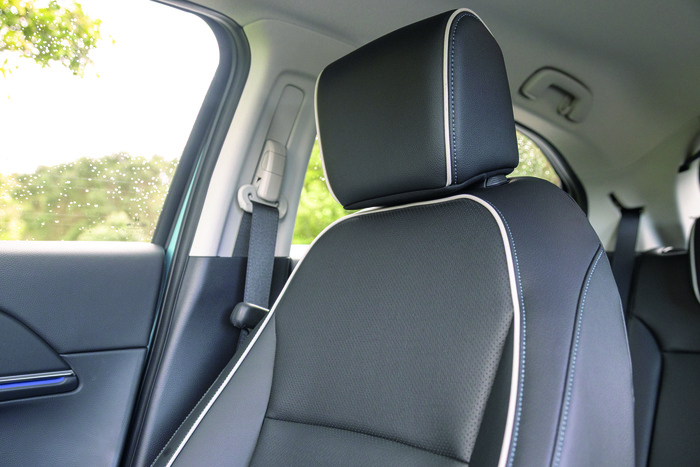
The cabin comes trimmed with sports leather-appointed seats, which are heated up front and offer good overall support. Rear seat space is surprisingly generous for a compact SUV, and the completely flat floor makes the second row feel more open. The boot provides 401 litres of storage with a wide opening and useful underfloor space for charging cables. There’s no frunk, but that’s typical of Honda’s EV layout.
Fit and finish are generally solid, but it’s worth noting that some of the lower plastics and trim pieces feel more utilitarian than premium. It’s not a bare-bones interior by any stretch, but buyers expecting a luxury experience at this price point might find it a little basic.
SAFETY AND SPEC
Safety and driver assistance systems are comprehensive. Every e:N1 comes with the Honda Sensing suite, which includes adaptive cruise control, lane keep assist, forward collision mitigation with pedestrian and cyclist detection, blind spot monitoring, and rear cross traffic alert. A high-resolution 360-degree camera system and front/rear parking sensors round out a strong active safety package, making the e:N1 easy to manoeuvre in tight spaces.
Other convenience features include keyless entry and start, heated mirrors, automatic LED headlights, and a wireless phone charging pad.
OWNERSHIP AND OPTIONS
With a retail price of $52,000 plus $1,195 on-road costs, the Honda e:N1 undercuts several rivals in the small SUV EV space. It’s available to lease from $945 plus GST per month, or finance from $228 per week, positioning it as an attainable option for both private buyers and small business fleets.
Competitors include the BYD Atto 3 Extended Range ($56,990), MG4 Long Range ($57,990), and the Kia Niro EV Light ($65,990). While those may offer longer range or faster charging, the e:N1 stands out with its brand equity, refined ride, and solid spec — without having to tick boxes or stretch the budget.
FINAL THOUGHTS
The 2025 Honda e:N1 may not be the flashiest new EV on the block, but it delivers what a lot of buyers really want: comfort, ease of use, and a brand they already trust. It’s a smooth, sensible EV with good real-world range and just enough spec to make it feel modern.
Yes, faster charging and a more premium interior would be nice — and rivals offer both — but if you’re looking for a well-priced, well-rounded electric SUV with proven support behind it, the e:N1 is a compelling option.
It’s not here to shake up the segment. It’s here to make electric feel normal — and it does that very well.

Join the conversation