
Simon Bridges ambivalent on “feebate”
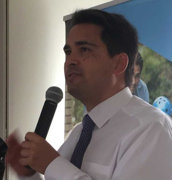
Opposition leader Simon Bridges says he doesn’t have strong views on the “feebate” proposal which would benefit EVs and penalise gas guzzlers.
The Productivity Commission has proposed introducing what it calls a “feebate”, outlined in its Low Emissions Economy draft report.
Low-emission vehicles like EVs would qualify for a rebate, while high-emission vehicles would incur a fee, probably as a one-off transaction at the point of importing a vehicle, at registration, or a combination of the two.
“The issue with it is that, potentially, it could hurt the poorest the most,” Bridges told Auto Media Group.
“Over time I think it’s in the right space, whether it’s feasible or not to have incentives and disincentives to get people into EVs.”
He says the National Party would be loath to do things in that regard which would add cost.
Bridges believes national and Auckland region fuel taxes, for instance, will do just that. Indirectly, such fuel taxes would encourage EV uptake, but could impact on those who cannot afford to buy one.
Fuel tax costs would also be passed on to customers by transporters, so consumers would in effect be paying twice, he says.
The National-led government opted more towards encouragement of EV uptake rather than providing incentives, such as delaying road user charges for EVs.
In 2016, it also set a target of 64,000 EVs on our roads by the end of 2021.
“We started the process going into the election with procurement (of EVs) for the government’s fleet,” Bridges says.
The former transport minister says others are now replacing internal combustion engine vehicles in their fleets with electric.
EVs are often brought into fleets as new or near new then eventually sold on, which benefits private buyers.
Incentives for EV owners may also come with the present government working towards introducing a Zero Carbon Bill this year. It proposes a Climate Change Commission to help set targets and prepare a policy plan to reduce emissions, with the aim of net zero carbon by 2050.
Join the conversation