
Solar shake-up aims to boost uptake across NZ
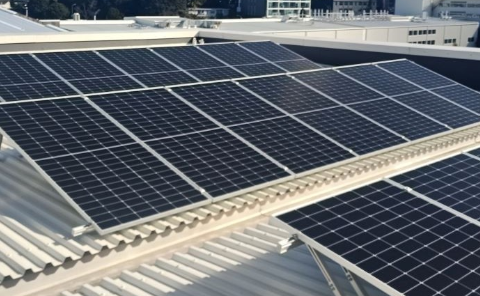
The Government is moving to cut approval costs and delays for residential and small-to-medium scale solar installations, including legalising plug-in systems for homes and apartments.
It has agreed to progress recommendations from the Ministry for Regulation’s Solar Regulatory Review, with the aim of making solar panel installation in New Zealand among the simplest in the developed world.
Regulation Minister David Seymour says the changes could reduce approval costs for residential solar from about $640 to $200 and cut the process from around three months to six days.
“Kiwis need access to reliable and affordable energy, but approval for solar panels can take months. The Report’s recommendations will make solar an easy option for Kiwi families,” Seymour says.
“The Government will legalise plug in solar because there was no good for reason for preventing Kiwis using it. Plug-in systems can be used by renters and people living in apartments who can’t access traditional rooftop solar. If they’re good enough for Germany and the UK, they’re good enough for us.
“We heard about problems with residential a small to medium scale solar through the Red Tape Tipline. Then the Ministry went straight to the source to understand the problem. They engaged with installers, industry participants, regulators and other stakeholders.
“The Ministry found that in some cases, installing a small-scale solar system can involve up to six separate sign-offs and five site visits from four different entities before it can be switched on. All of this can take months. Most of it is unnecessary.”
For small-to-medium scale installations, such as solar panels on a farm milking shed, approval costs could fall from as much as $11,000 to $1,300, while processing times could drop from six months to one month.
“The Ministry estimates that the recommendations could deliver net benefits of between $28 million and $50 million over 10 years. This is through lower compliance costs, reduced delays, and the use of plug in solar,” Seymour says.
The Government will also begin work on a trial of a risk-based inspection model that could allow accredited installers to carry out checks rather than requiring an electrical inspector to visit every installation.
“Work will soon begin to trial a more proportionate, risk-based inspection model. Requiring an electrical inspector to check every solar installation in person is too expensive, too time consuming, and absolutely unnecessary. Accredited installers can do the same job, without the call out costs or delays, because they’re already there. This could save consumers up to 45 days of waiting, and $600.”
The review also recommends significantly shortening the time electricity lines companies have to process solar connection requests.
“The Report also recommends shortening processing times for lines companies processing requests to approve solar. The Ministry recommended a standard residential request be cut from 10 working days to the next working day, and medium sized installation requests be cut from over 30 days, to just 5 working days.”
Planning requirements are another target, with the Government planning to exempt certain solar installations from resource consent requirements.
“Planning rules can create barriers for some solar installations, particularly larger or ground-mounted systems, and installations in heritage or outstanding natural landscape areas. These often require resource consents which add cost, delay and uncertainty. We will exempt these types of solar installations from needing resource consent. This could save consumers up to 30 days of waiting time and between $3000 and $10,000.”
Energy Minister Simeon Brown says rooftop solar connections are already increasing and reducing regulatory costs and delays should encourage further uptake.
“New Zealanders want more control over their power bills and making it easier to connect solar is one way to do that by allowing people to make use of the free sunshine that lands on their property.
“We’re already seeing increasing rooftop connections so, logically, the more the hassle and cost can be reduced, the greater the uptake will be.
“The Government has already doubled the amount of electricity homeowners can export back to the grid and we’ll continue with practical changes to make it easier and quicker for those who choose it, to go solar.
“Plug-in solar will also be a game changer for people who rent, meaning people will be able to buy a plug-in solar kit and take it with them if they move house. The power of the sun is there to be harnessed. Implementing these recommendations will help people do that, and feel the benefits in their household budgets,” Brown says.
Click here to read the full Solar Regulatory Review report.


Join the conversation