
Stellantis pulls plug on hydrogen vans, renews focus on hybrid and battery electric vehicles
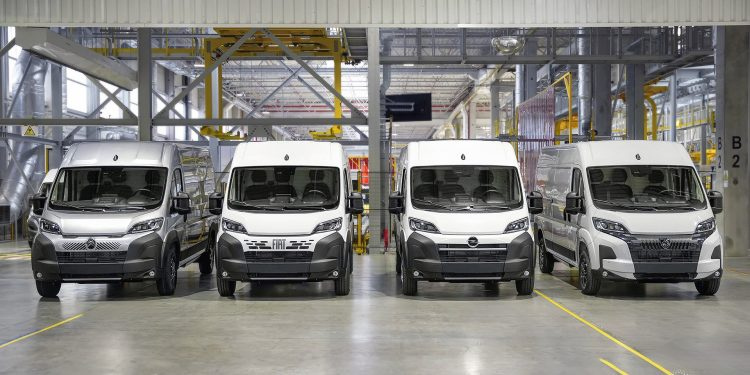
Global automotive group Stellantis has cancelled plans to develop hydrogen-powered commercial vehicles, citing limited infrastructure, high development costs and a lack of mid-term economic viability.
The decision means Stellantis, which owns brands including Peugeot, Citroën and Fiat, will no longer roll out its Hydrogen Pro-One fuel-cell vans, which had been expected to launch soon.
Instead, the company will shift its focus to electrified commercial vehicles, instructing its R&D teams to prioritise projects with clearer returns on investment.
“The hydrogen market remains a niche segment, with no prospects of mid-term economic sustainability,” said Stellantis chief operating officer in Europe, Jean-Philippe Imparato.
The firm said the main barriers include the high cost of hydrogen fuel-cell vehicles and a lack of fuelling infrastructure. It does not expect hydrogen products to become economically sustainable until the 2030s at the earliest.
The level of investment required to develop and produce the vans was also a factor in the decision, but Stellantis confirmed that no job losses are expected at the French and Polish factories previously earmarked for production.
Other automakers are also re-evaluating their hydrogen strategies. Hyundai and Renault have both scaled back investment in fuel-cell vehicles, and BMW is reportedly reconsidering the future of its X5-based hydrogen model, which had been slated for release in 2028.
“We sincerely hope that the infrastructure will develop further, because right now the UK is not in a condition where [launching] would make sense,” said Jürgen Guldner, head of BMW’s hydrogen vehicle programme.
Experts say hydrogen’s challenges remain formidable, including the production and delivery of liquid hydrogen in a way that is low in CO₂ emissions. The need for entirely new infrastructure could add billions in costs.
Some manufacturers, including Toyota, are continuing development with alternative hydrogen concepts. The Japanese carmaker is exploring combustion engines powered by compressed hydrogen, such as its GR Yaris Rally2 H2 prototype.
Industry hopes remain that breakthroughs in technology or infrastructure integration could revive momentum for hydrogen mobility in the long term.

Join the conversation