
Subaru shifts investment from EVs to hybrids
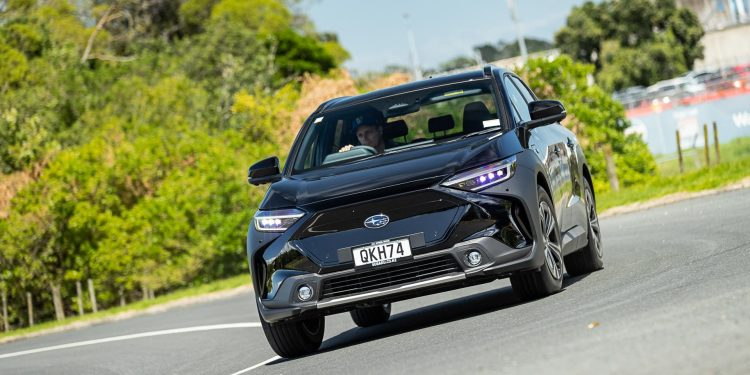
Subaru is pulling back on its electric vehicle rollout and diverting a large portion of its planned ¥1.5 trillion (about NZ$17b) electrification budget into hybrid development, citing weakening global demand for EVs.
At a recent earnings call, Subaru president Atsushi Osaki said the company was reassessing the ¥1.5t commitment to future EV development, despite already investing ¥300b (around NZ$3.4b).
“Given the increasing demand for hybrids and the reappraisal of internal combustion engines, it is appropriate to delay the timing of full-scale EV mass production investment,” Osaki said.
Subaru had previously planned to launch eight EVs globally by 2028. While four Toyota-based EVs are still due by the end of 2026, other in-house electric models are likely to be delayed. Osaki said the original ¥1.5t won’t be reduced but reallocated to other “growth investments”, though details are yet to be disclosed.
The strategic shift comes as global policies and incentives change. In the United States — Subaru’s most important market, accounting for more than 70% of global sales — the removal of EV purchase subsidies has slowed demand and complicated the company’s rollout plans.
To maintain flexibility, Subaru is retooling one of its largest Japanese plants so it can build petrol, hybrid and electric models on the same line.
“We will expand our product lineup to meet diverse needs,” Osaki said, indicating future models may favour hybrid and internal-combustion options rather than being EV-only.
Subaru is also continuing work on low-emissions combustion engines through its collaboration with Toyota and Mazda, including development involving hybrid systems and synthetic fuels. Recent concepts such as the Performance-B STI reinforce the brand’s ongoing commitment to high-performance combustion models.
Subaru’s current hybrid range already leans on Toyota technology, with the new Forester Hybrid using a Toyota-derived electric-assist system. A similar setup underpins the Crosstrek Hybrid, while in Japan the brand also sells mild-hybrid versions of the Impreza and Rex micro-SUV.
For now, Subaru’s only EV is the Solterra, but it will be joined before the end of 2026 by the Trailseeker, the Uncharted and a yet-to-be-revealed EV co-developed with Toyota.
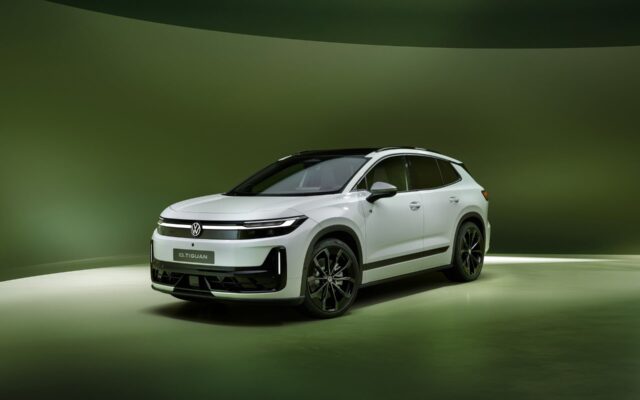
The company’s move echoes wider industry trends. Honda has cut its EV development spending by 30%, Volkswagen has paused EV production at times due to slower demand, and premium brands including Porsche, Volvo and Genesis have softened or abandoned their plans to go EV-only by 2030.

Join the conversation