
Tesla asks Australia to bring forward its driverless car law, so where does NZ stand?
Tesla wants Australia to fast-track its autonomous vehicle law by two years and back a driverless trial in 2027. New Zealand law, meanwhile, does not require a car to have a driver.
Tesla has asked the Australian Government to bring its planned autonomous vehicle law forward by two years and to back a public-road trial of driverless cars in 2027.
In a submission to the Senate Select Committee on Productivity in Australia, dated 16 October, Tesla asks Canberra to “support an autonomous vehicle trial in 2027” by allowing testing on public roads, with permits applying until a national framework is in place. It also wants the Commonwealth to work with the states and territories to speed up the Automated Vehicle Safety Law (AVSL), which Tesla says is currently expected in 2029.
Tesla says Australia’s autonomous vehicle framework was first proposed in 2016, and that “progress on a national AV framework remains fragmented and continues to face uncertain timelines.”
It argues bringing the AVSL forward by two years would save lives and unlock more than A$10 billion in benefits, citing modelling by the Autonomous Vehicle Association of Australia. That modelling was not attached to the submission.
A target that keeps moving
Australian transport ministers first set a goal of an end-to-end regulatory system for automated vehicles by 2020. In 2021 they agreed on a 2026 start, and in November 2025 they agreed to allow “the conditional deployment of automated vehicles from 2027 in selected locations, with full national readiness to follow.” That timing depends on the states and territories updating their own laws.
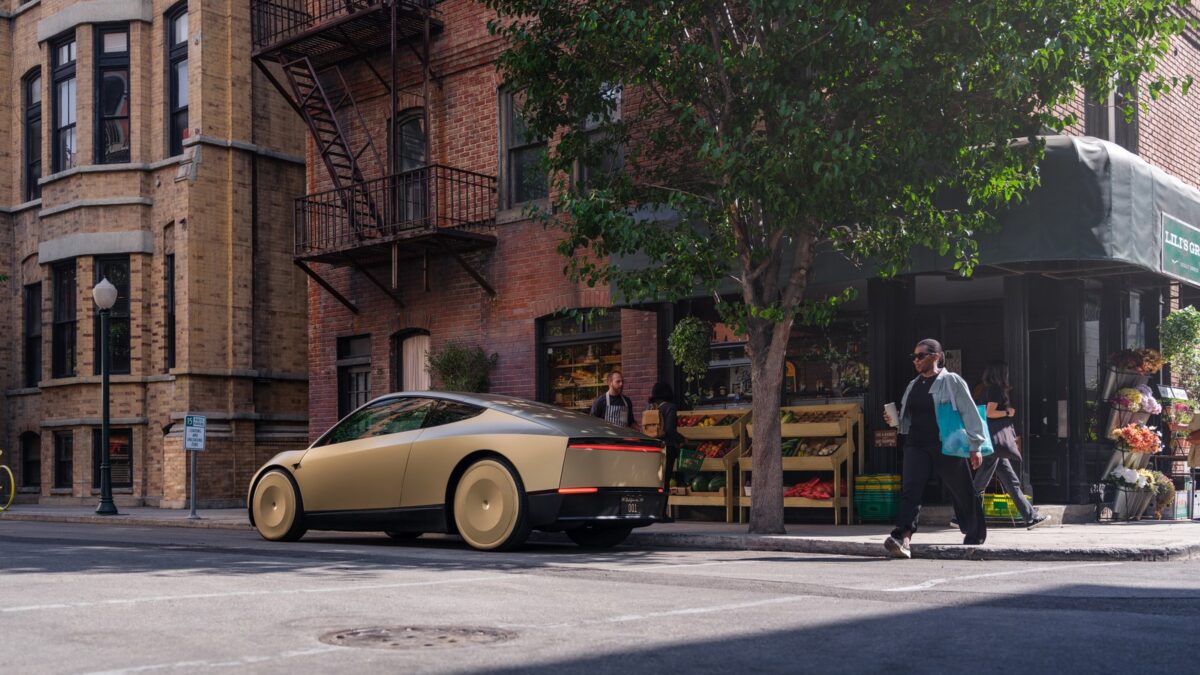
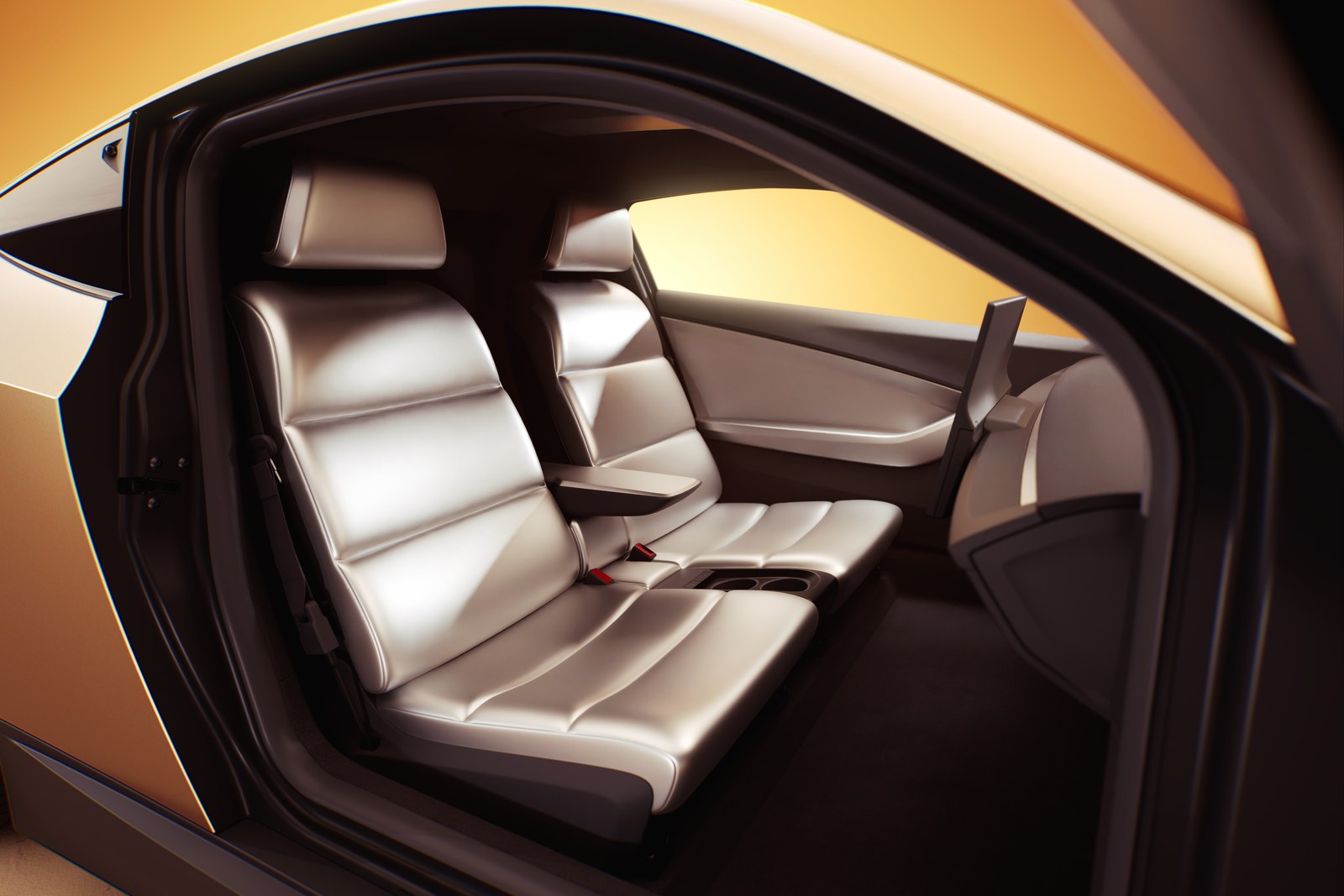
Tesla’s Cybercab, which has no steering wheel or pedals, is touring Australian showrooms but cannot be tested on Australian roads. Alphabet’s Waymo has reportedly held talks with state governments, but no local trials have started.
The Transport Workers Union wants human drivers assigned 95% of transport jobs in an early rollout, falling to at least 85% over time.
FSD data from both sides of the Tasman
Tesla’s submission says its cars have covered more than 160 million kilometres on Australian and New Zealand roads with FSD (Supervised) activated. FSD (Supervised) is a Level 2 driver assistance system, so the driver remains responsible at all times.
Tesla claims cars with FSD engaged have 40% fewer collisions, 90% fewer harsh braking events and 86% fewer harsh acceleration events than those without it. The submission does not set out how those figures were calculated or over what period.
Where New Zealand stands
New Zealand has no equivalent law in the works. Our transport legislation does not require a vehicle to have a driver.
“Current legislation also does not explicitly prohibit the use of AVs on New Zealand roads, provided they comply with all other vehicle certification standards. This is because there is no requirement to have a driver in the vehicle,” the Ministry of Transport said in its 2022 long-term insights briefing on automated vehicles.
In practice, the rules are written around a human driver and conventional vehicles. The same briefing noted that New Zealand laws “are already struggling to approve AV shuttles because they need so many exemptions”, for required features such as windscreen wipers, and that liability laws would need to change for higher levels of automation.
Transport Minister Chris Bishop told 1News in August that there is “a bit of interest” in changing the rules, but that it is not an immediate priority. “I’m prepared to have a look at it, but I can’t do everything at once,” he said.
Separately, Dave Fergusson, the Wellington-born co-founder of US robotaxi company Nuro, has said New Zealand is in its deployment plans, without giving a date.
Tesla plans to bring the Cybercab to Auckland in 2027 as part of its showroom tour. In New Zealand, FSD (Supervised) is sold as a $159-a-month subscription, and Tesla has started renaming its Full Self-Driving Capability package for local owners.
Join the conversation